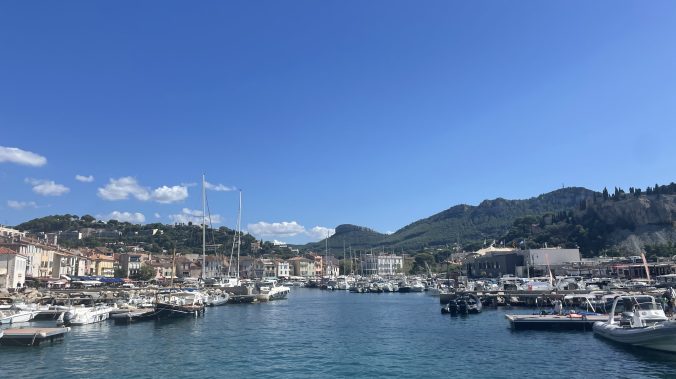
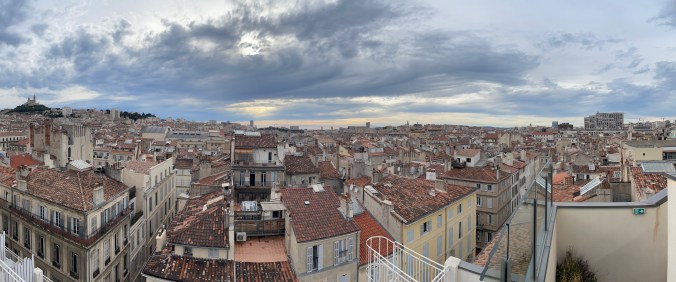
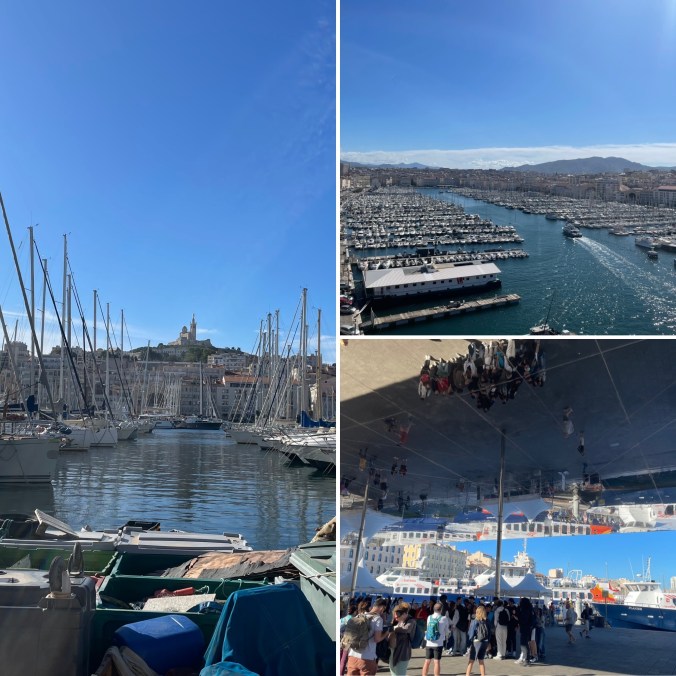
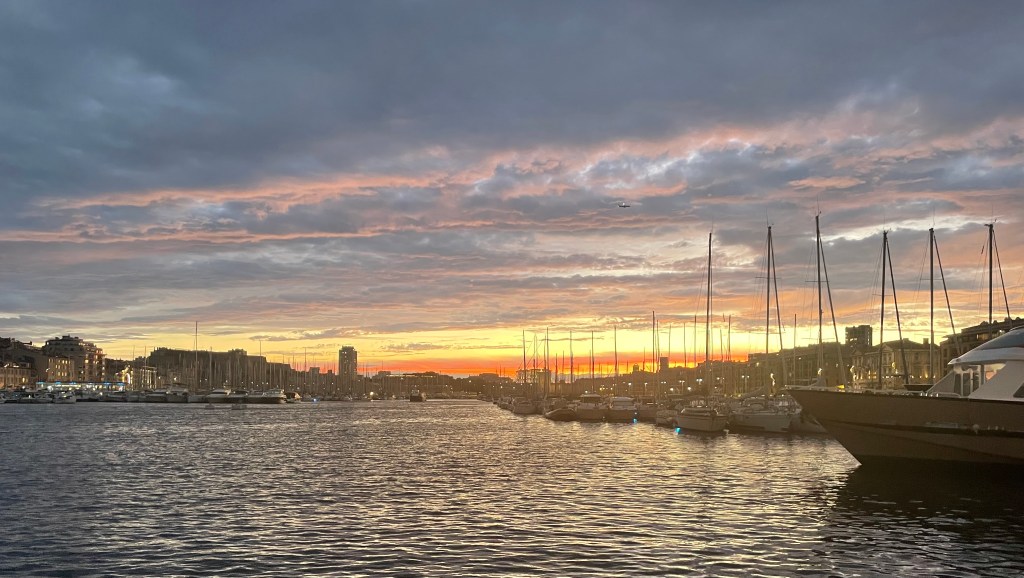
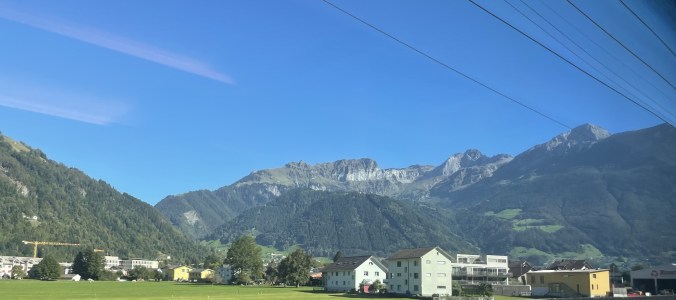
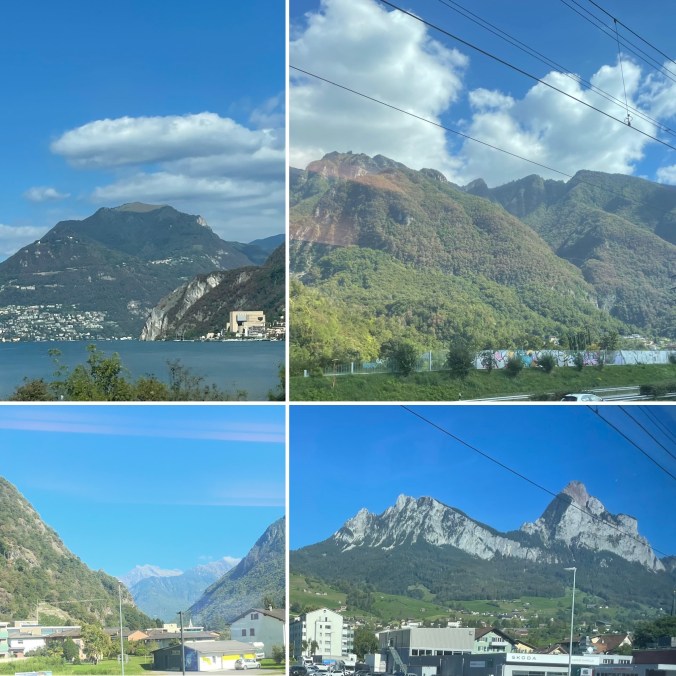
From Menton, we travelled further east to Alassio in Italy via a change of train in Ventimiglia, coastal views and many tunnels (and with our luggage full of clean clothing again).
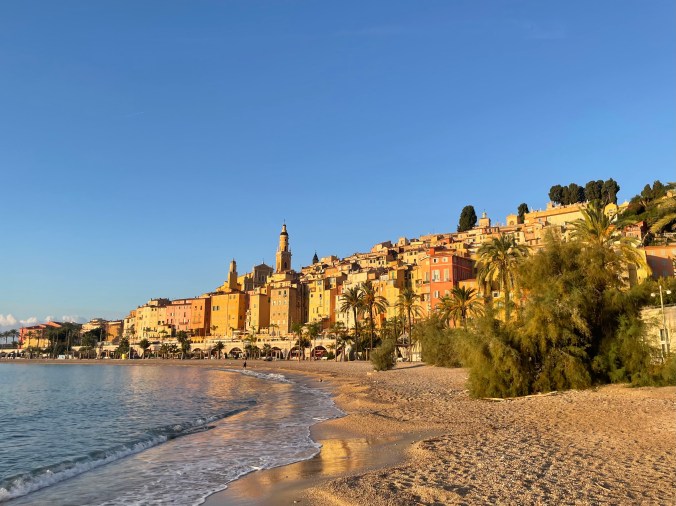
In many ways, Alassio felt similar to Menton but here the vibe is more focused on tourism and the restaurants are as much on the sandy beach as it is in cafes further back in the Old Town. And, of course, we were now in Italy; Jane’s invaluable semi-fluency in French was now irrelevant and both of us have minimal Italian. How lucky we are that English is such a universal language! How lucky too that the weather was still so brilliant.
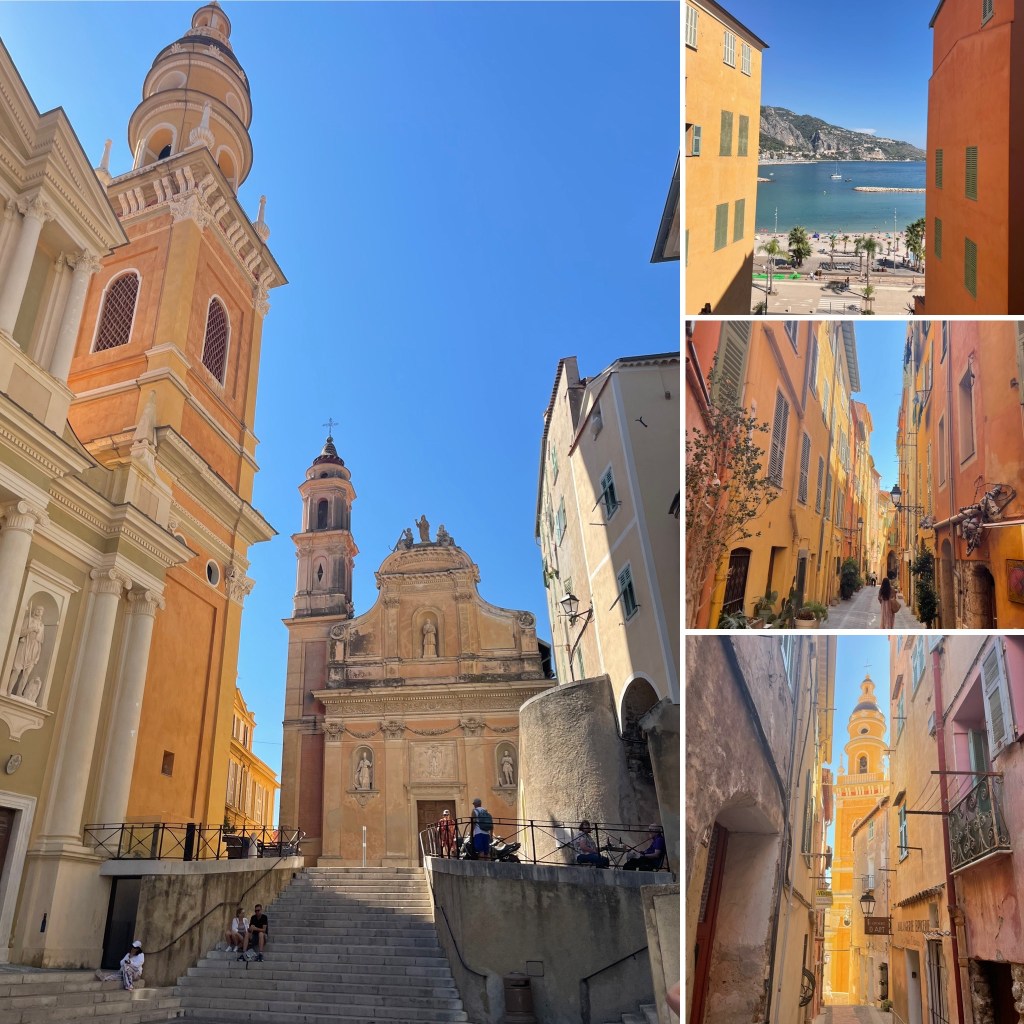
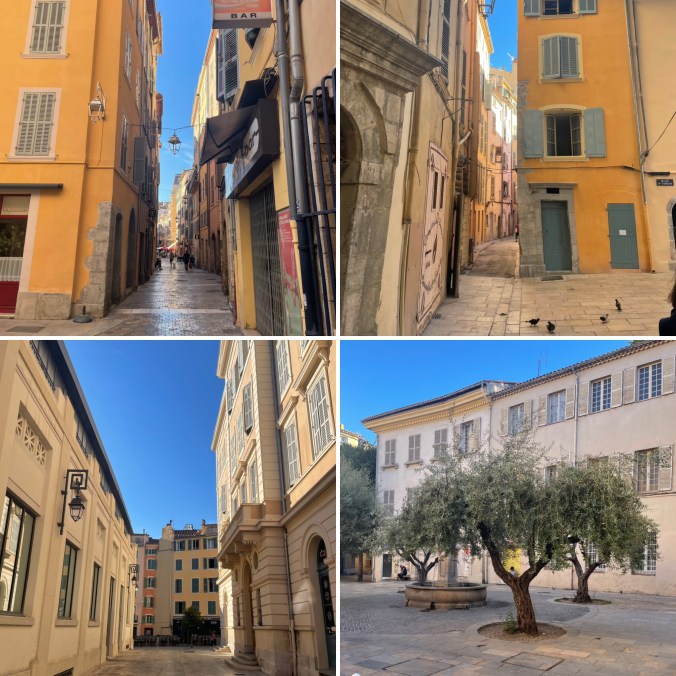
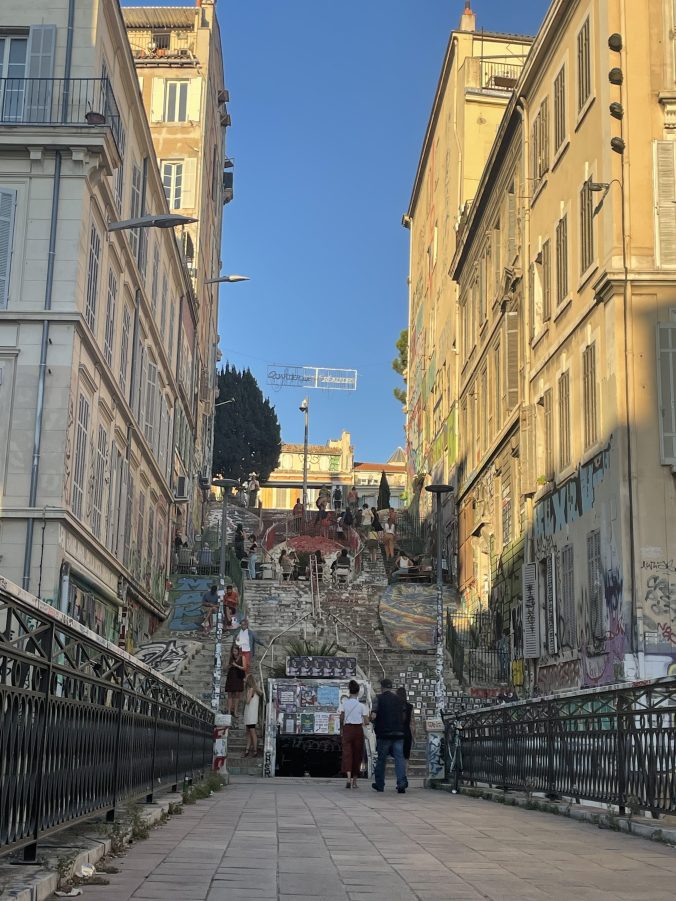
We walked from the train station to our hotel through narrow streets including the the Budello, a historic street that runs parallel to the coast. Between the lanes running off it and the ochre coloured houses, there are attractive glimpses of the Mediterranean.
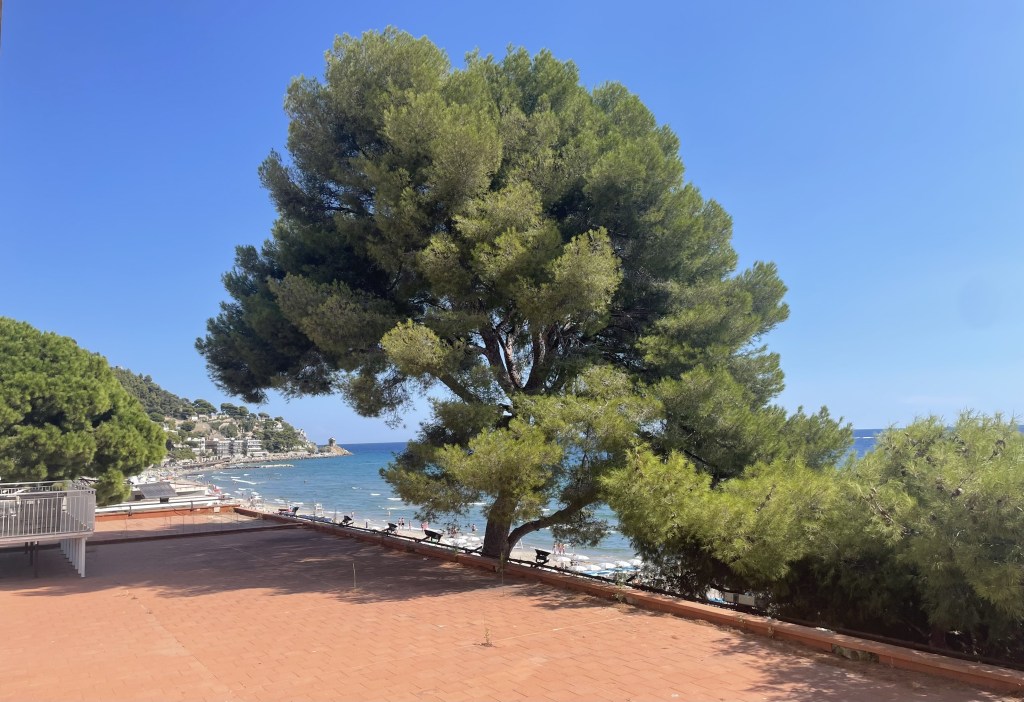
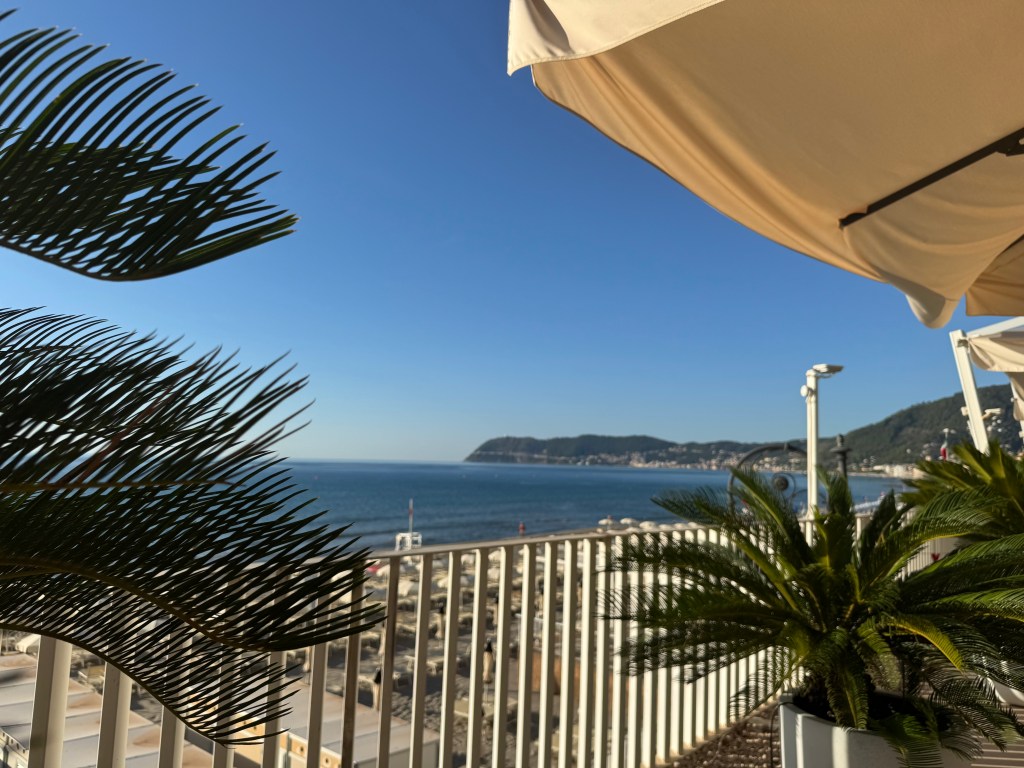
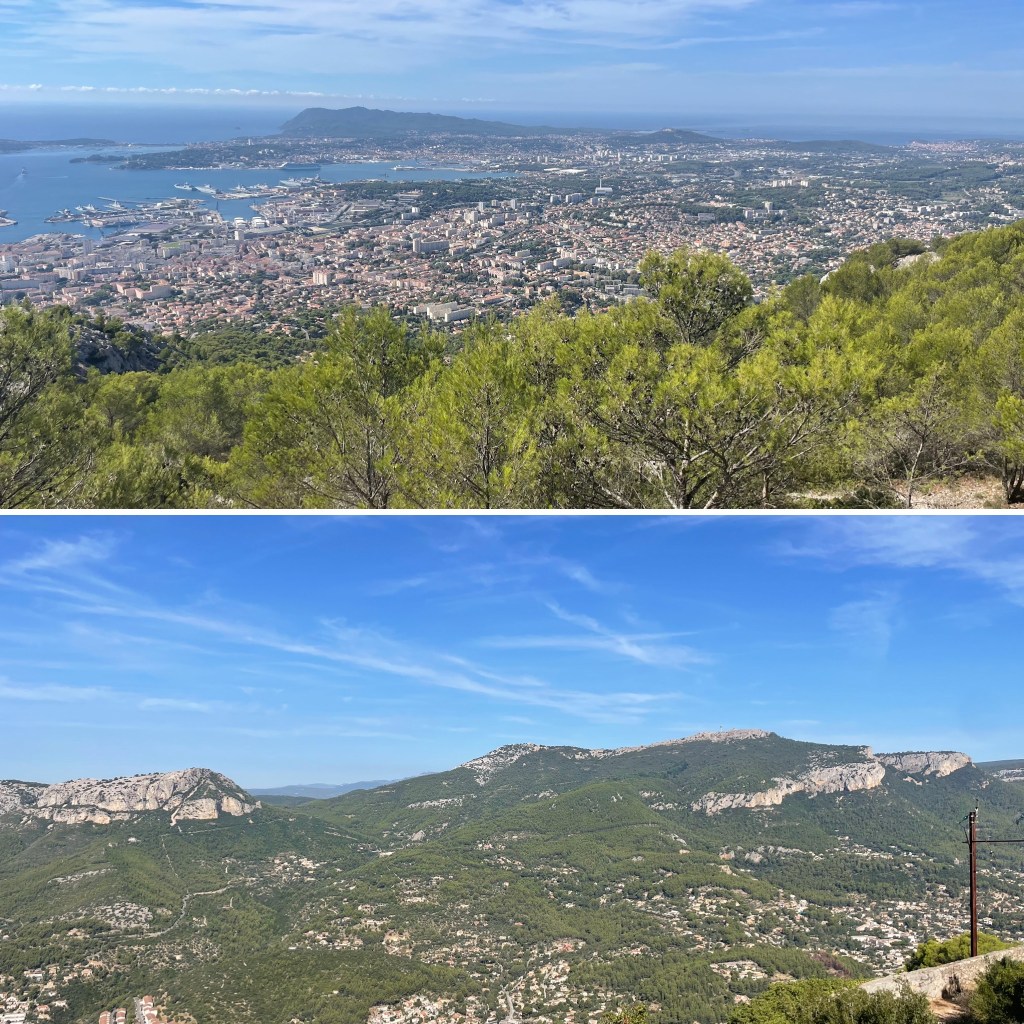
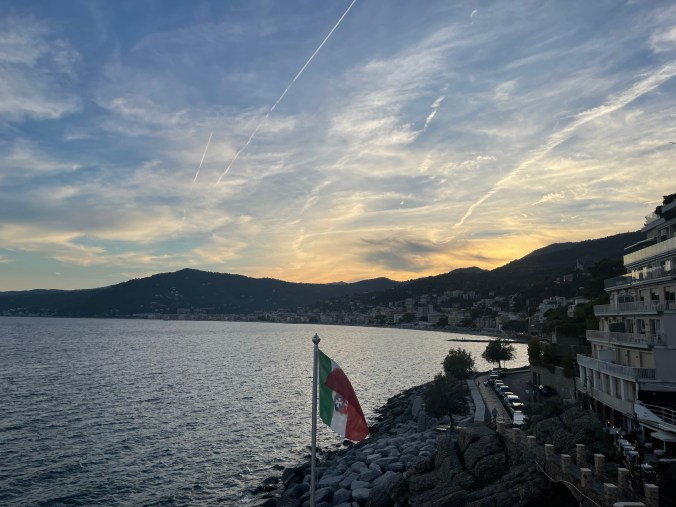
Views East And West From Our Hotel Room
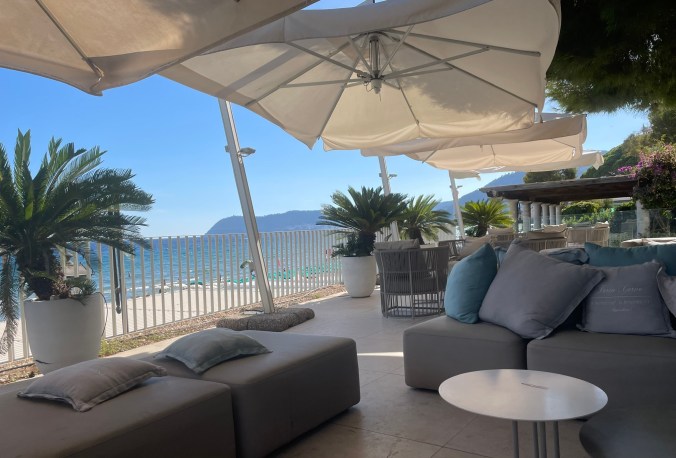
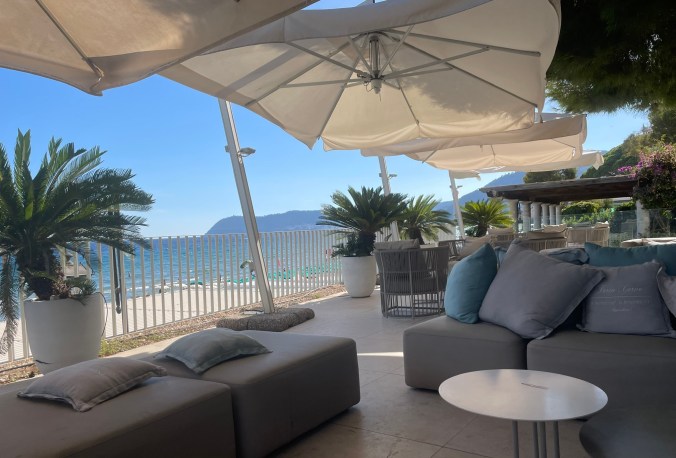
Our hotel (Diana Grand Hotel) was on the edge of the town centre and adjacent to the beach. This was the plushest hotel we stayed in during our French and Italian Riviera trip. Our room and the bar downstairs have great views along the coast. One of two main dining areas is on the beach just below the hotel under vast stretches of canvas. Our very relaxed breakfast was in the bar area and was, as was the case for most hotels on our trip, included in the package. Apart from the challenge of getting someone to bring coffee at breakfast, all the service, food and drink was excellent.
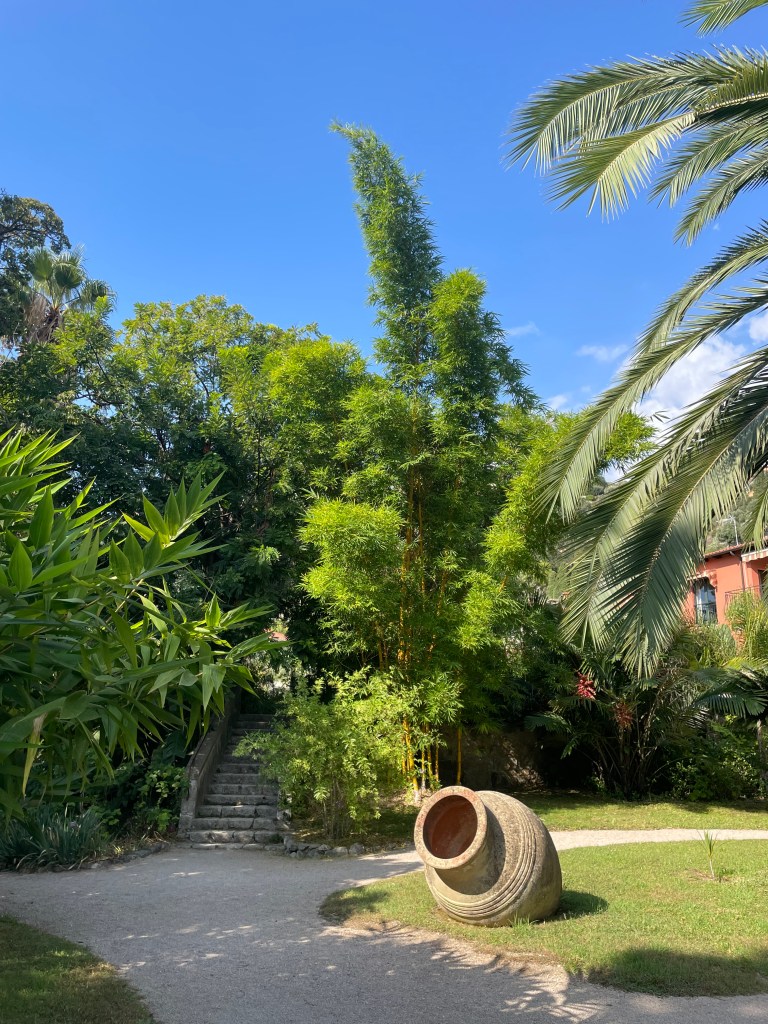
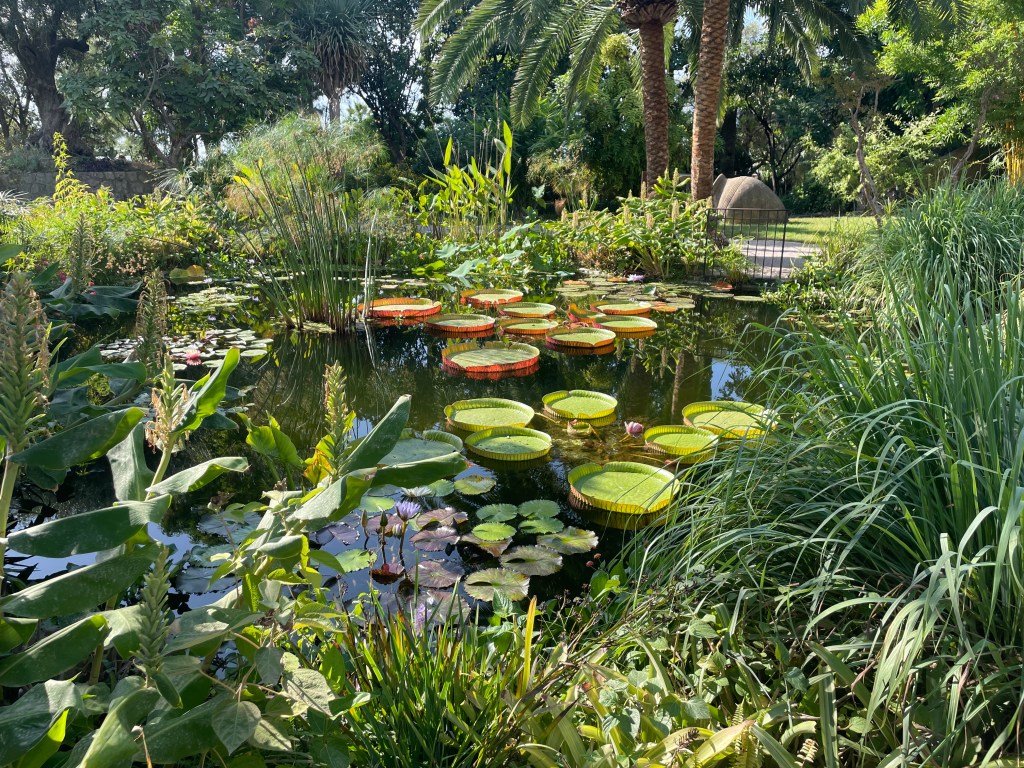
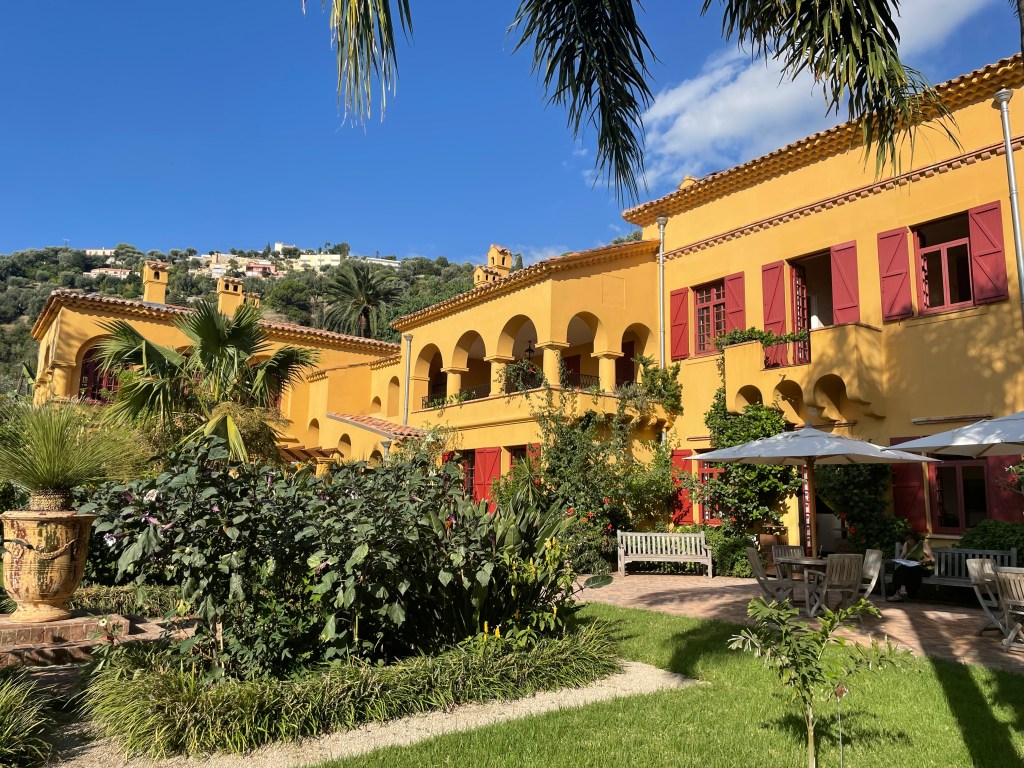
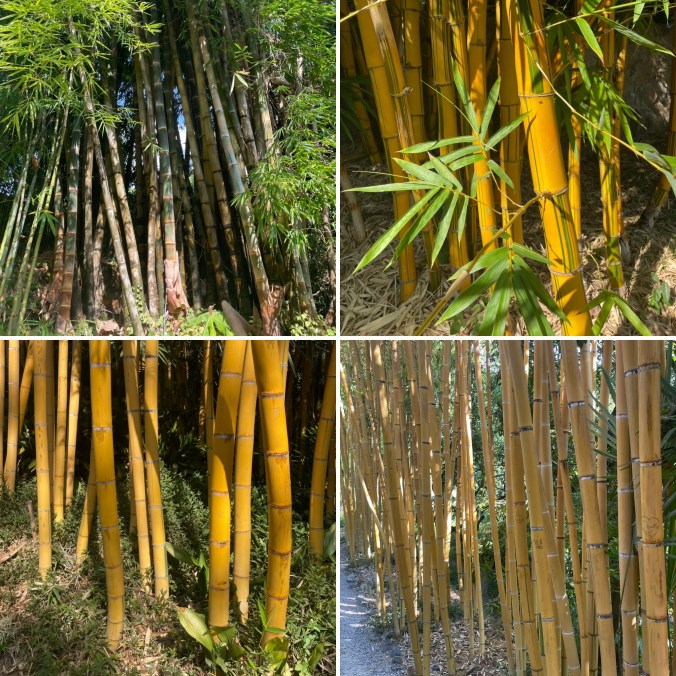
Like Menton, there were steep hillsides behind the town with exotic gardens. We booked some of the limited tickets to attend a guided tour of one such garden attached to the Villa della Pergola luxury guesthouse. The tours are quite restricted for those not staying in the villa, booking was essential, and Jane did a good job of getting us tickets.
The gardens are another example of Brits buying up land in the 19th century and creating gardens that remind them of home. In this case, General McMurdo bought the land in 1875, built two villas and began laying out and planting the garden with both local and more traditional British species that thrived in the mild, Mediterranean climate on a south facing hillside. His work was continued by a Scottish baronet, and then the English Hanbury family who had other gardens further along the coast.
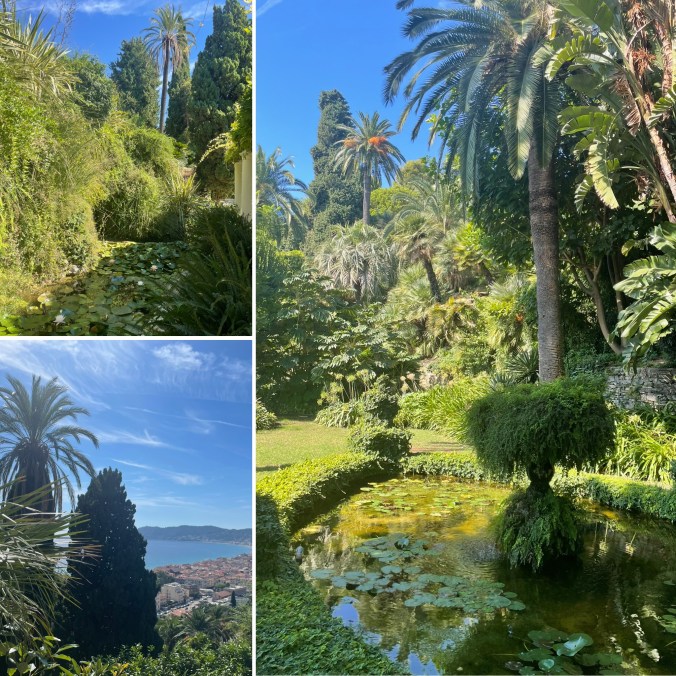
Post the Second World War, British land owners along the Riviera began to sell up. The Villa della Pergola gardens gradually fell into disrepair and wilderness. The land was nearly sold for housing developments in 2006 but was bought by an Italian family who restored the gardens to their current splendour. Indeed, there are plans to expand the property very considerably and we could see some of the extravagant building work underway across a deep valley.
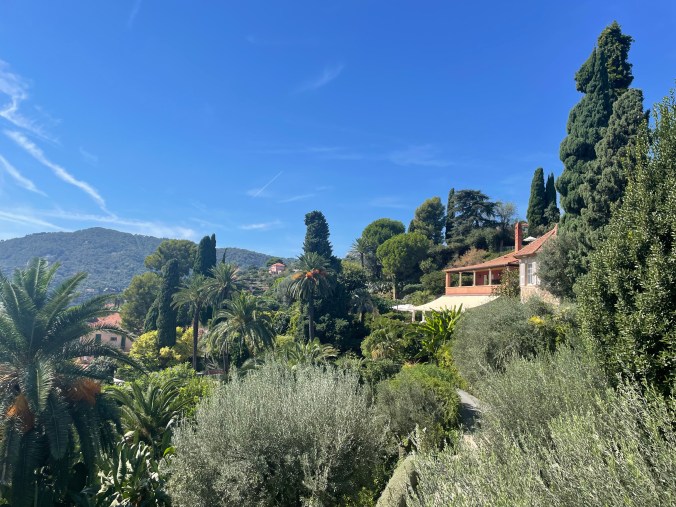
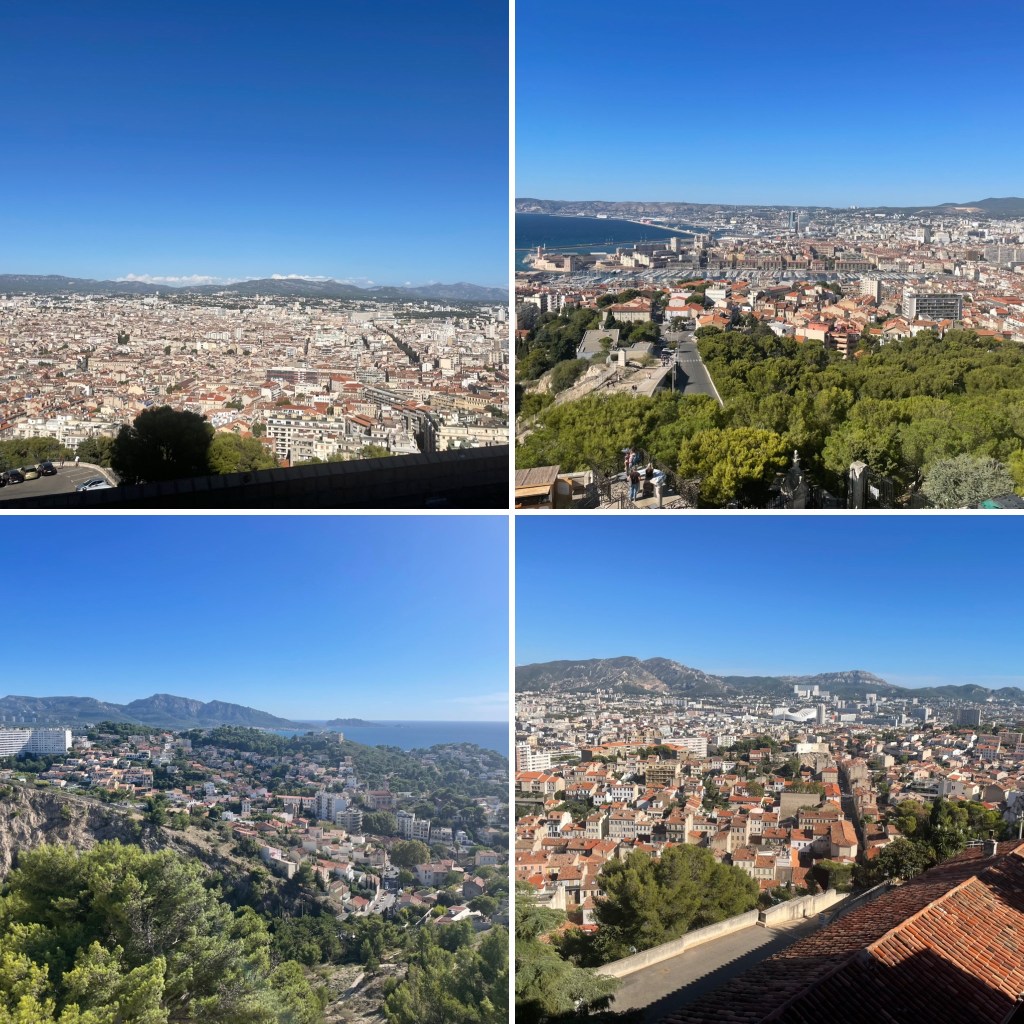
The gardens are already lovely and offer huge views over Alassio and the Ligurian coast. They include some rare species and very large collections of citrus, agapanthus and wisteria plants. None of these were in flower during our visit but in Spring these collections must be spectacular. Our guide was excellent and our tour was unhurried; it was a great way to spend a couple of hours.
We wandered through Alassio centre a couple of times and saw the apparently famous Muretto. This is a wall, adjacent to a pleasant park, that is encrusted with small ceramics signed by celebrities (mainly Italian) that have attended a local café since the 1950’s. The wall is intriguing, and it was fun for a few minutes to try and spot names I recognised (for example Louis Armstrong, Ernest Hemingway). However, the wall is continuing to be populated with small decorative ceramics, the quality seems to be decreasing, and the overall look is now a little messy.
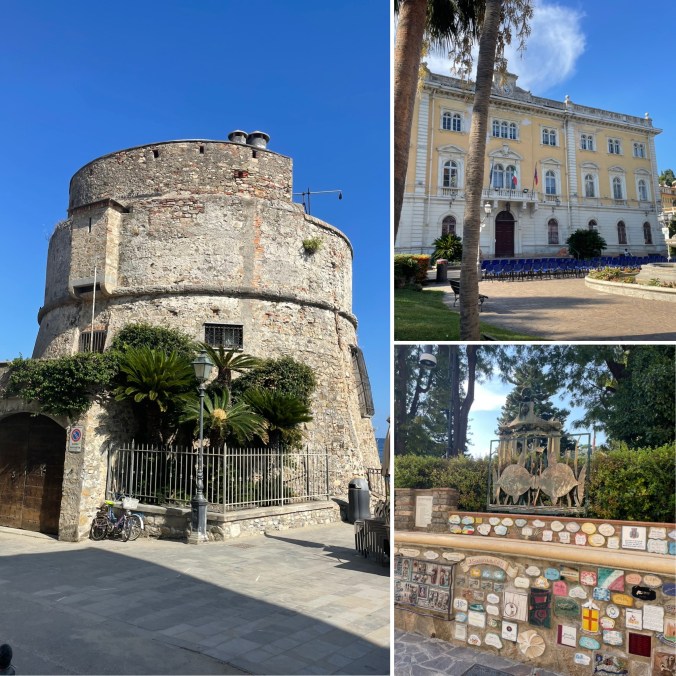
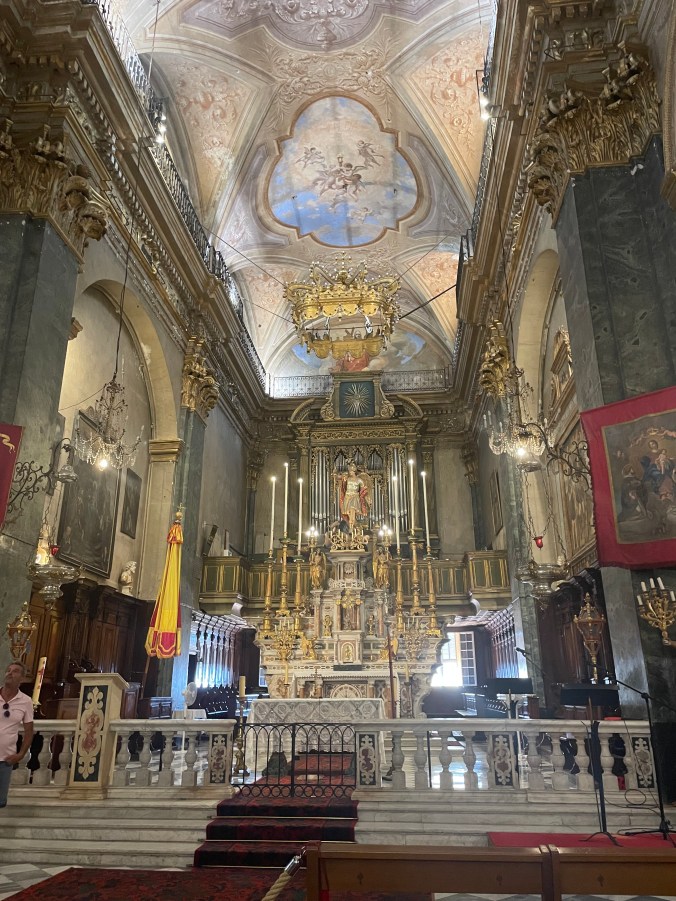
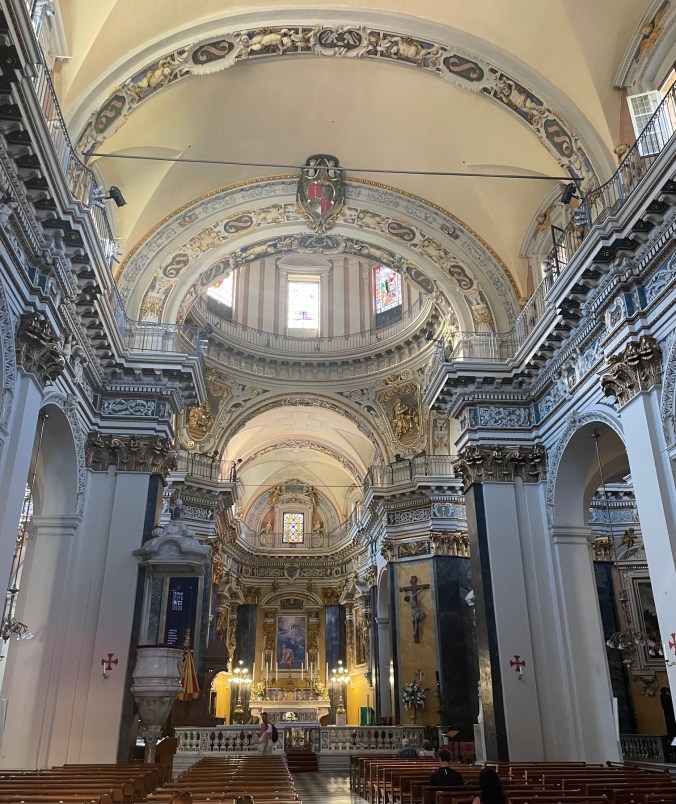
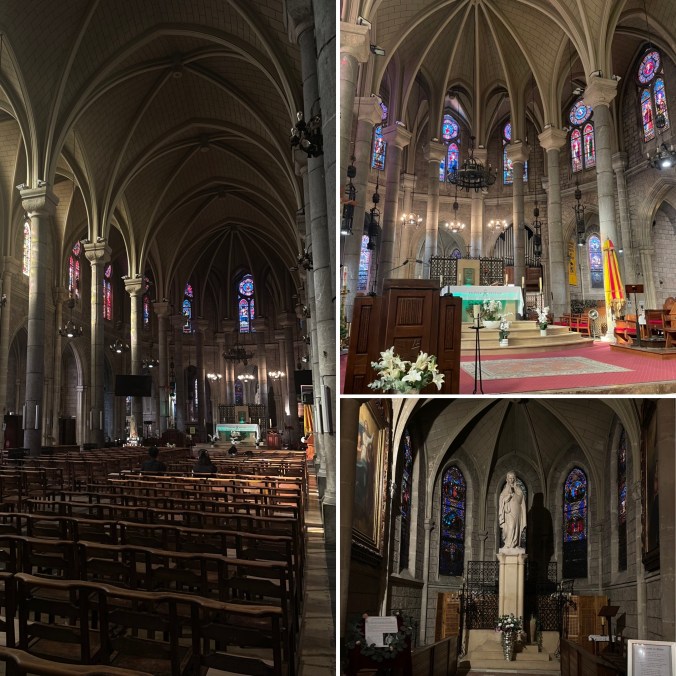
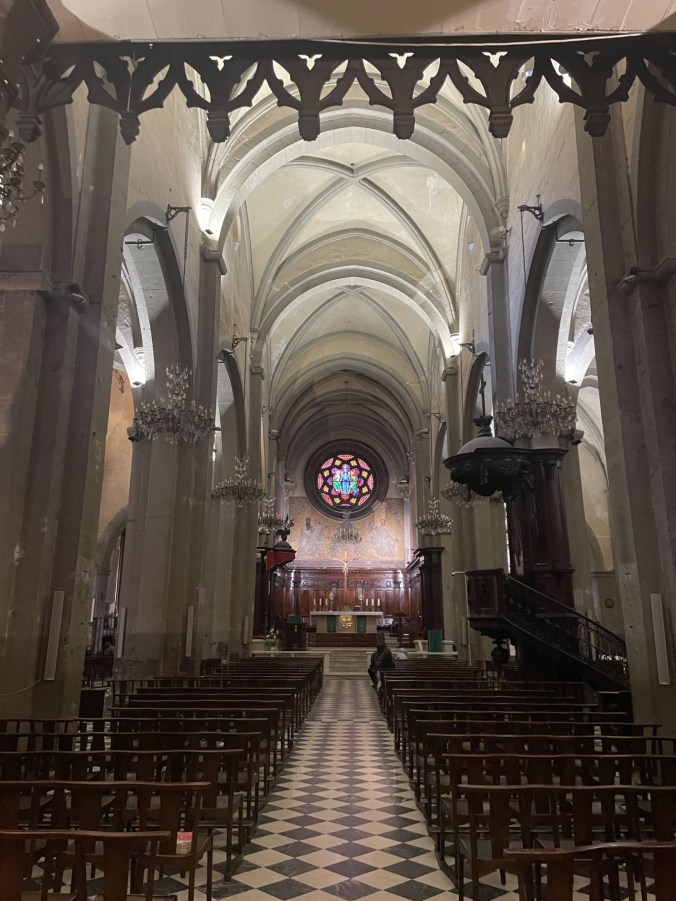
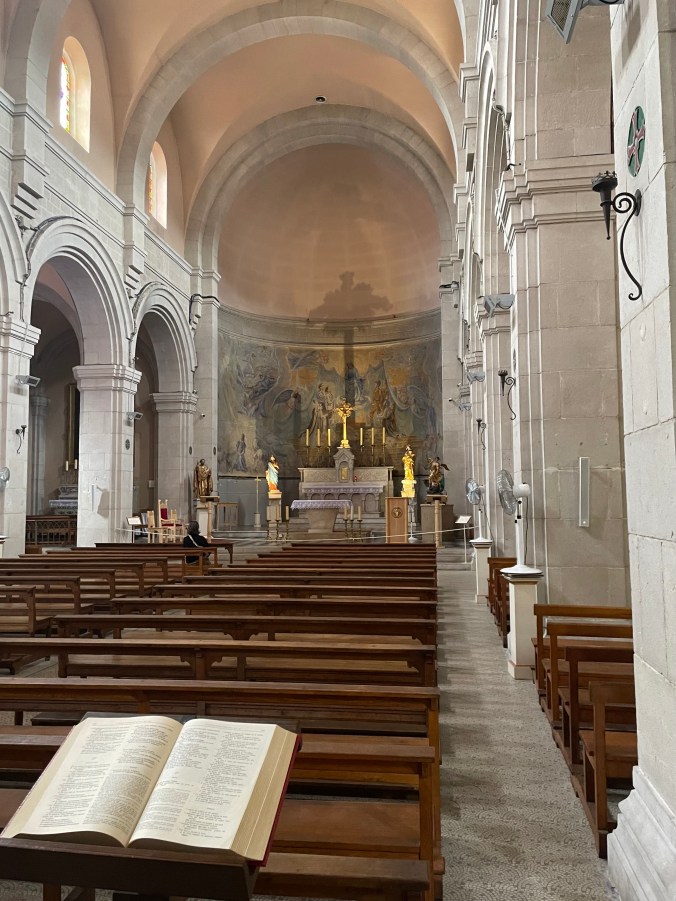
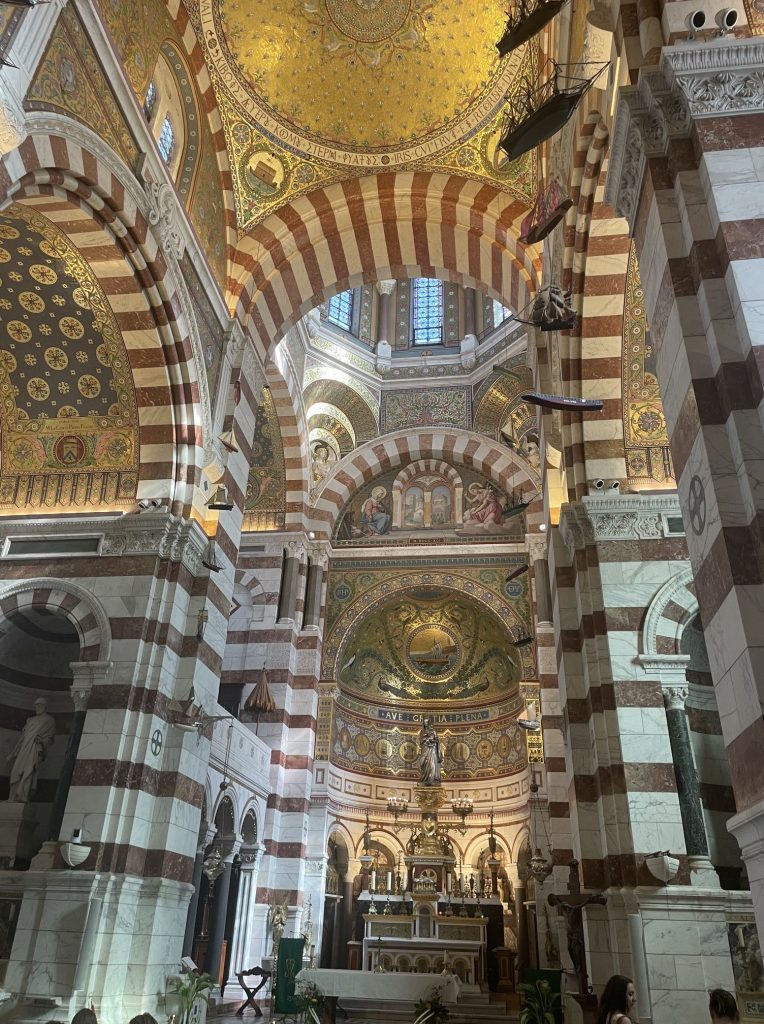
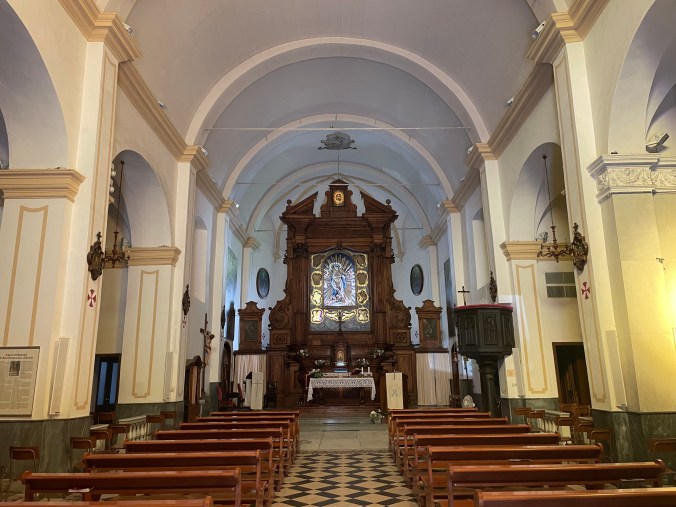
We also visited a couple of churches in the town and they were as peaceful and pleasant as others we had visited elsewhere on our trip. The Town Hall looked impressive and, on the coast in the Old Town there is a handsome 16th century defensive tower called the Coscia Tower.
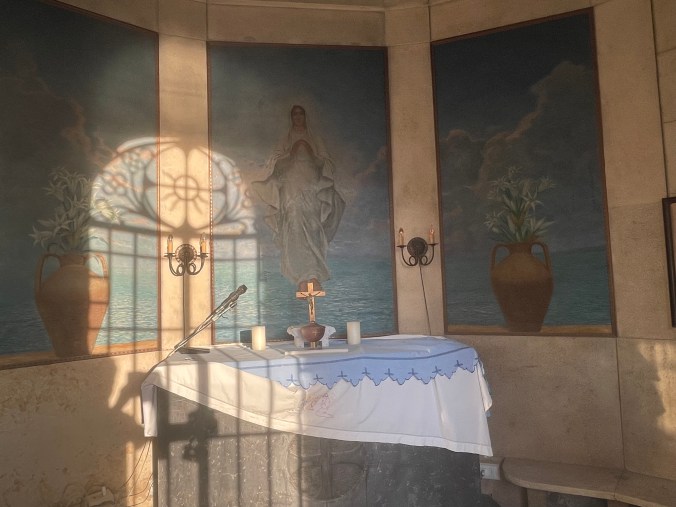
I also really enjoyed a sunset walk I undertook to the east of the town to La Cappelletta. This is a small, 100-year-old chapel built to commemorate those lost at sea. The promontory on which it sits and the chapel itself were deserted apart from some young boys diving off nearby rocks and a few swifts in the roof space.
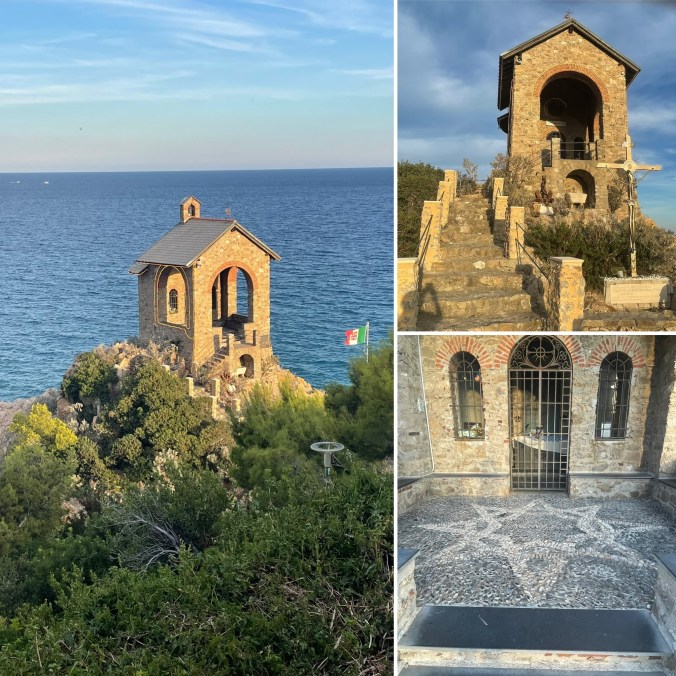
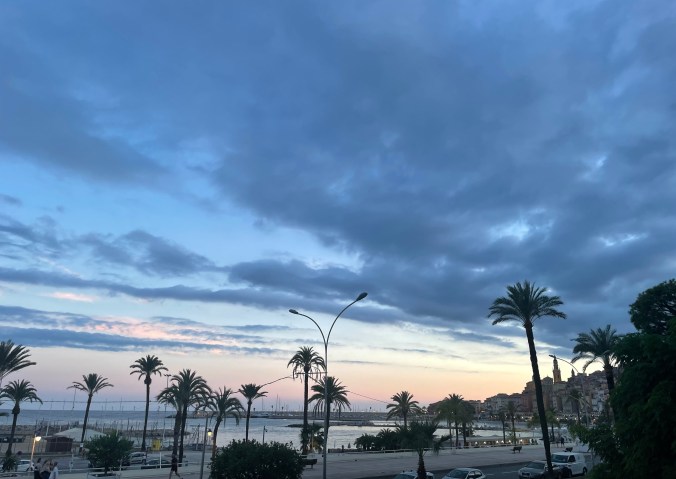
The view of Alassio and beyond became particularly beautiful as the sun set. I sat around for quite some time watching the sunset behind the mountains north of Alassio. I contemplated our very enjoyable stay in the town and our good fortune at the timing of our visit to this part of the world, and our ability to do so.
Genoa next.