Onwards to Dundee and Edinburgh

Having stayed a couple of nights at the small, tasteful and quirky Taybank hotel, Long-Suffering Wife (LSW) and I moved on and stayed for further couple of nights in Dundee at a large, modern Premier Inn.  This was right on the Tay estuary, over which we had a great but very windswept view. 
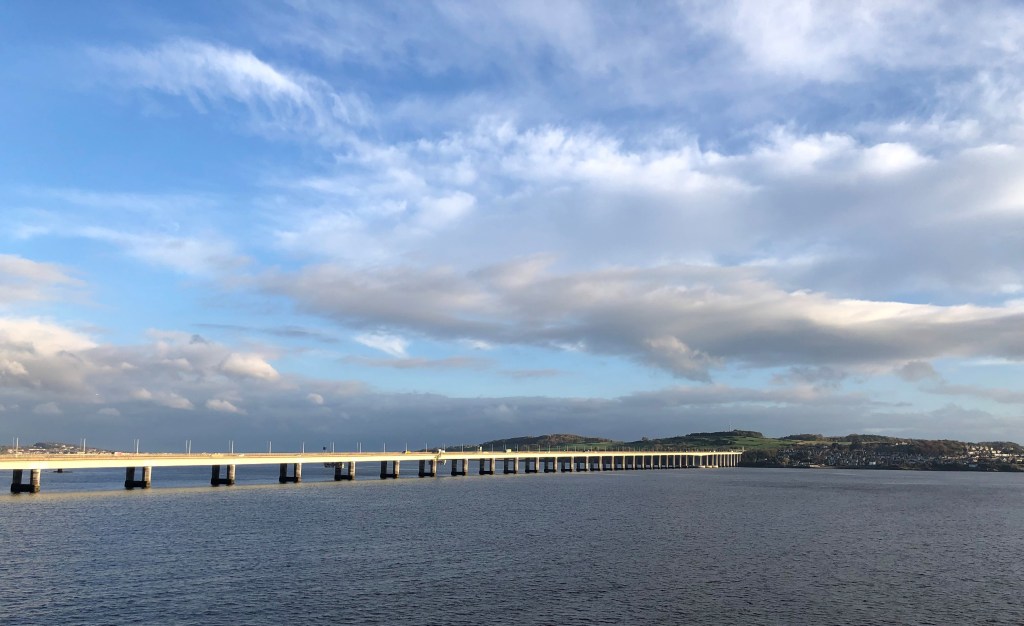
The Tay Bridge At Dundee

It was also conveniently close to the new V&A Design Museum outpost in Dundee.  This is a wonderful building, designed by Kengo Kuma.  The museum provides a video explanation by Kuma of why the museum looks like it does and that made it even more interesting for me.
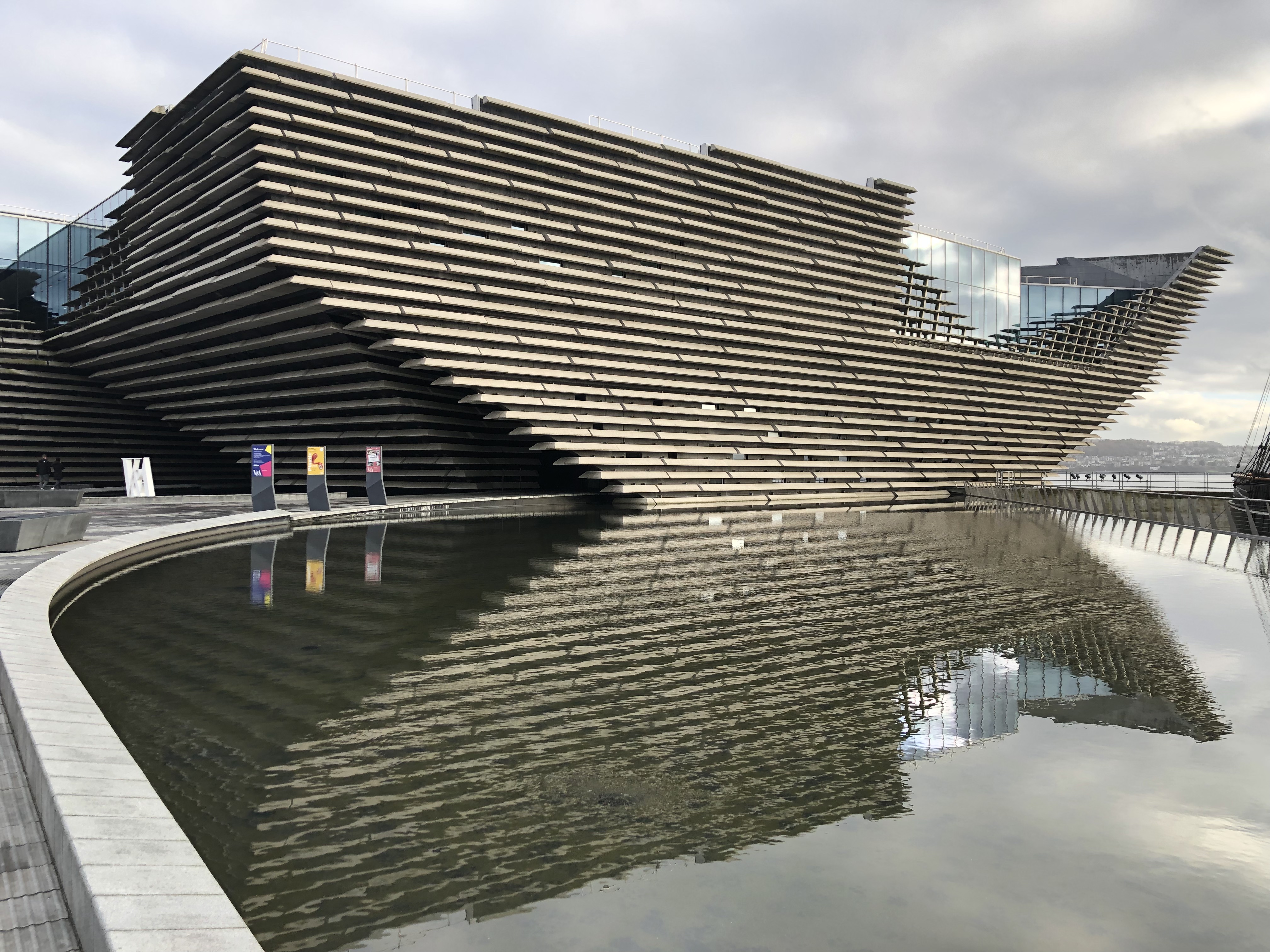
Dundee’s V&A

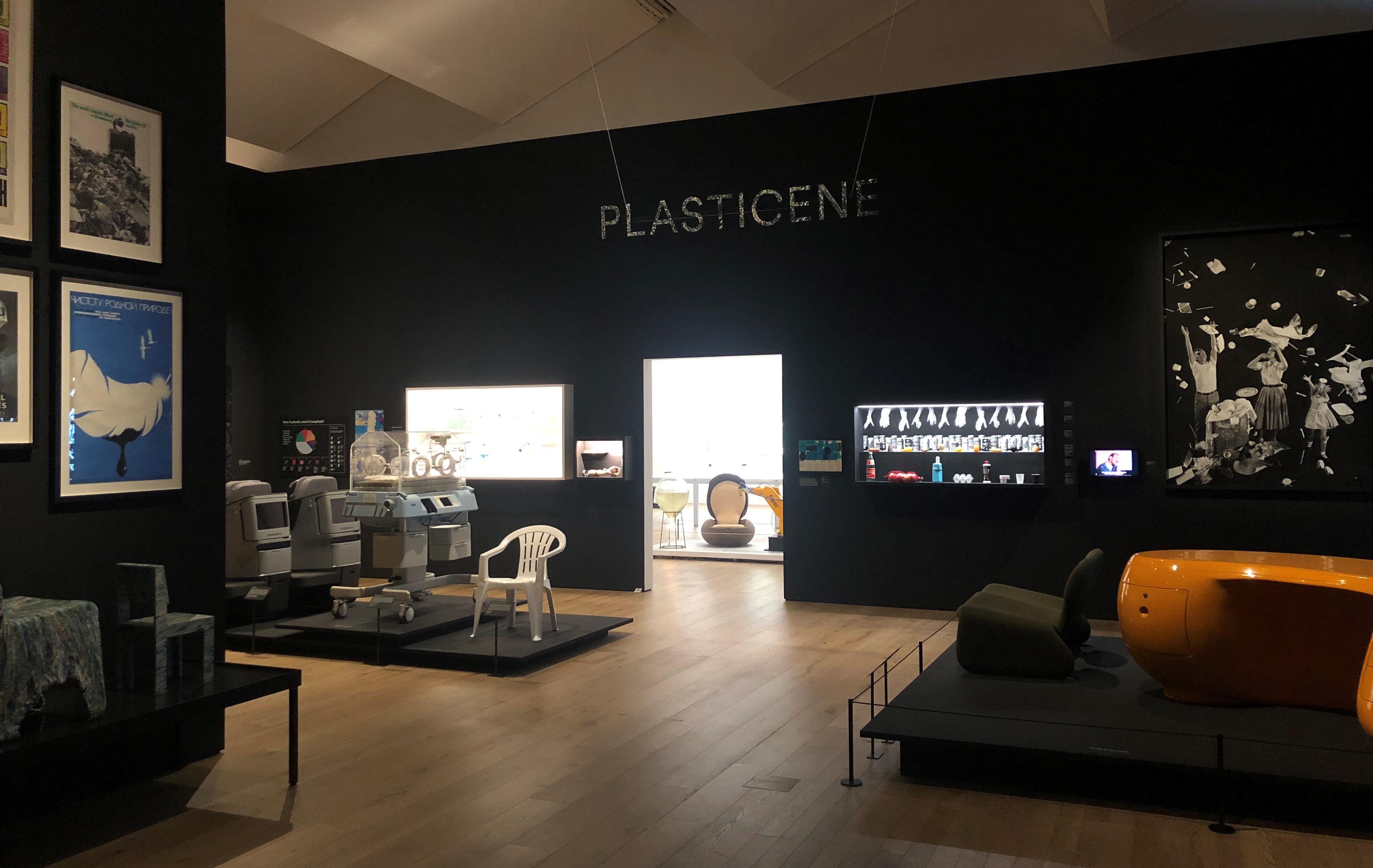
The weather was intermittently very wet (dreich is the appropriate Scottish word I believe), so we went to the dry comfort of the V&A twice.  We took in not only the standing exhibitions, but also the temporary ones including a very comprehensive and wide ranging one about Plastic: ‘The Remaking of Our World’.  Fortunately that was every bit as interesting as the big exhibitions I have seen in recent years in the V&A London.  It’s great that Dundee has such an impressive centrepiece.
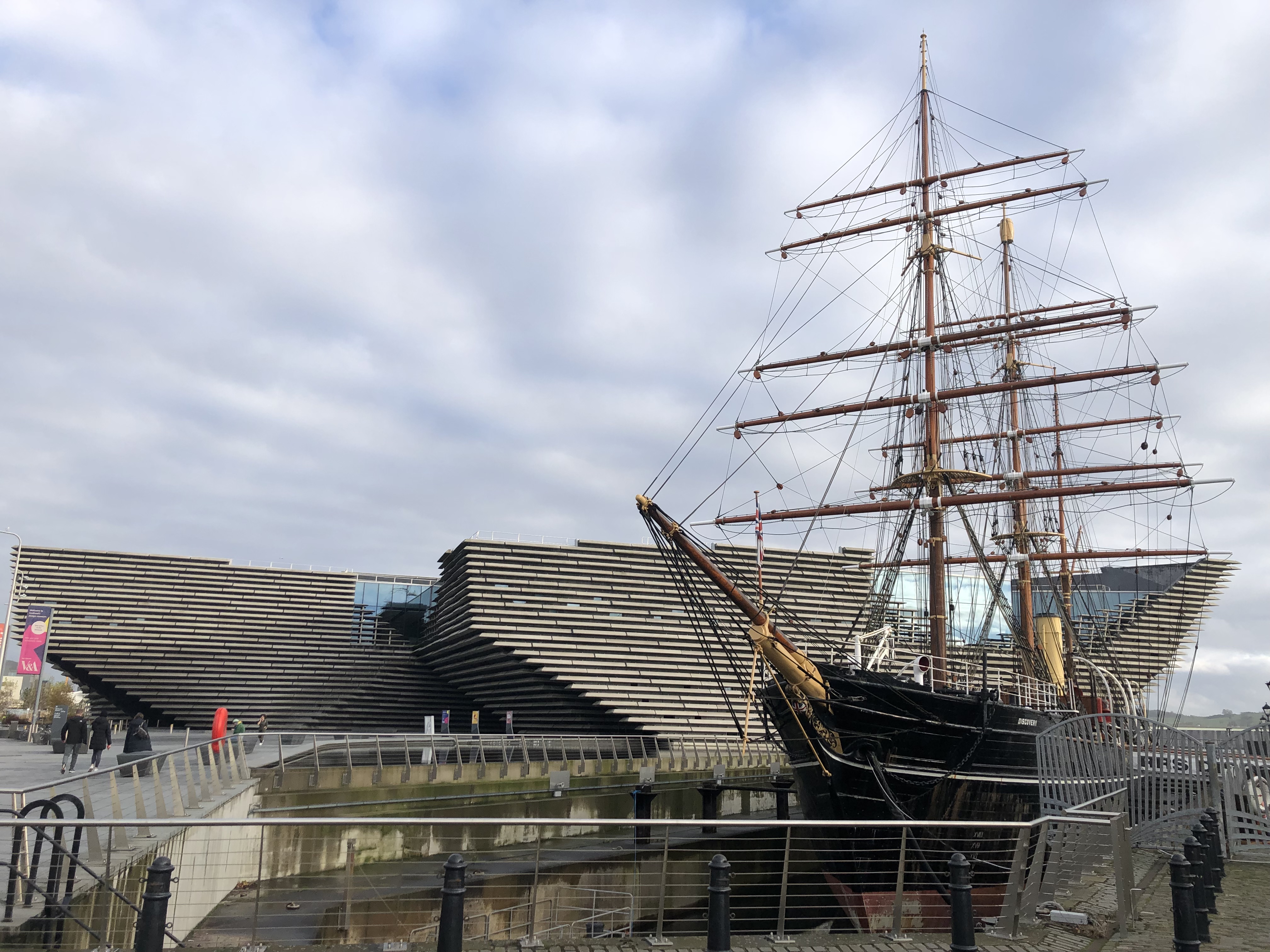
The V&A And RRS Discovery And Some Sun!
V&A Dundee: Part Of The Plastics Exhibition

While in Dundee, LSW did start to eat again following the illness she had picked up from First Grandchild (FG) the previous weekend.  However, she quickly regretted it and, with the rain still persistent, our movements were limited.  Then, for a while, the weather relented and we did make it to the McManus Art Gallery and Museum.  This is a lovely looking building exhibiting proudly the seafaring and industrial history of Dundee, its art and its most famous people.  Then,, as the weather closed in again, we visited the Dundee Contemporary Arts (DCA) centre. 
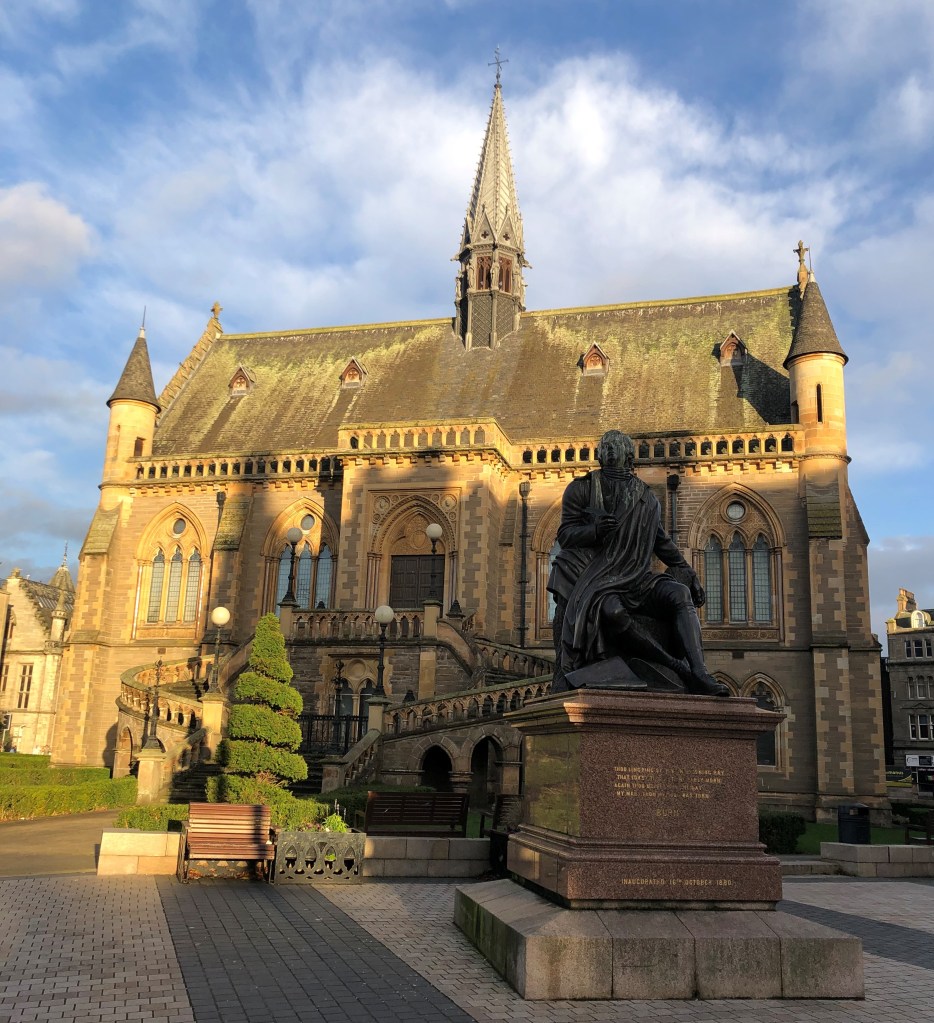
The McManus Galleries, Dundee (And More Sun!)

At the DCA we saw an exhibition by Manuel Solano.  He became blind after contracting AIDS and, incredibly, the exhibition contained just work that he had produced since losing his sight.  Another interesting hour was passed out of the showers. 
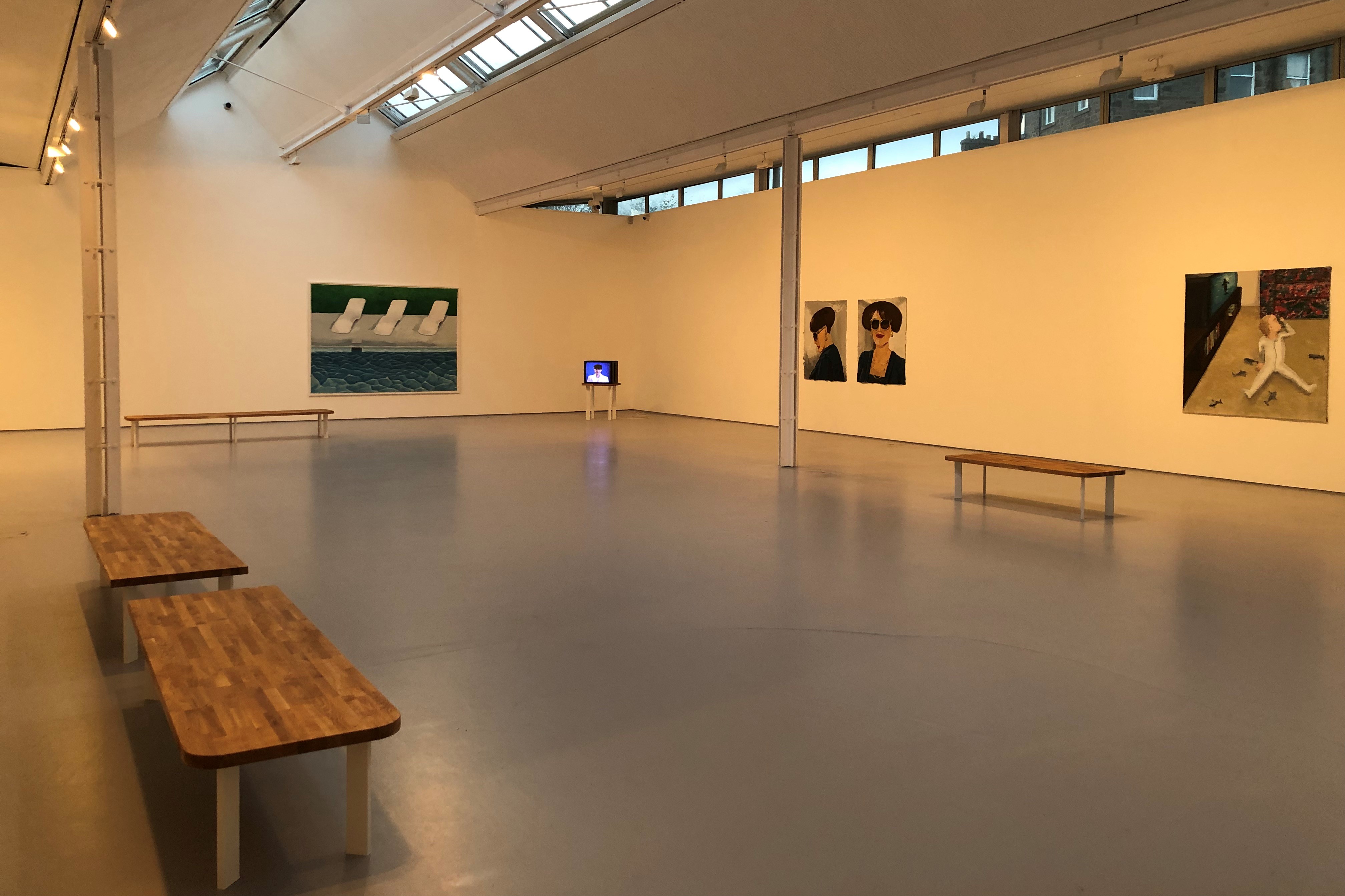
Manuel Solano In The Big Spaces Of The Dundee Contemporary Art Gallery

While at the DCA we also saw Living, a new and very moving film starring Bill Nighy.  He is perfect for the lead role and is supported by excellent acting all-round in a really lovely film.  We both enjoyed it hugely. 

It was great to have visited Dundee and to see a different Scottish city.  The weather changed our plans of what to do there and the rain reinforced our impression that the car was king along the city’s coastline since we seemed to spend a lot of time getting wet waiting for the little green man lights and for the traffic to allow us to cross.  But, given the tricky weather blowing in from the East, and given that LSW wasn’t fully operational, we did a lot of good things in Dundee. 
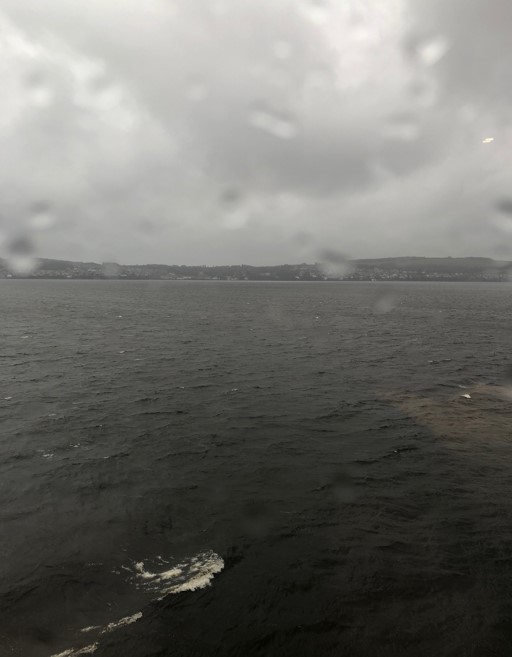
View From Our Dundee Premier Inn Room (When It Wasn’t Sunny!)

On our way back to Edinburgh via the coastal road around East Fife we had to take a couple of diversions to avoid flooding.  We spotted the huge waves off the coast as we passed the famous golf course and lovely buildings of St Andrews and decided to stop at the fishing village of Crail on the easternmost coast of Fife to take a closer look.  We parked and walked down pretty, narrow lanes to the harbour.  As I rounded a corner to get a closer look at the breakers and take a souvenir picture, I was astounded to be instantaneously splattered by sea spray even though the sea was 40-50 yards away.  It really was startling weather.
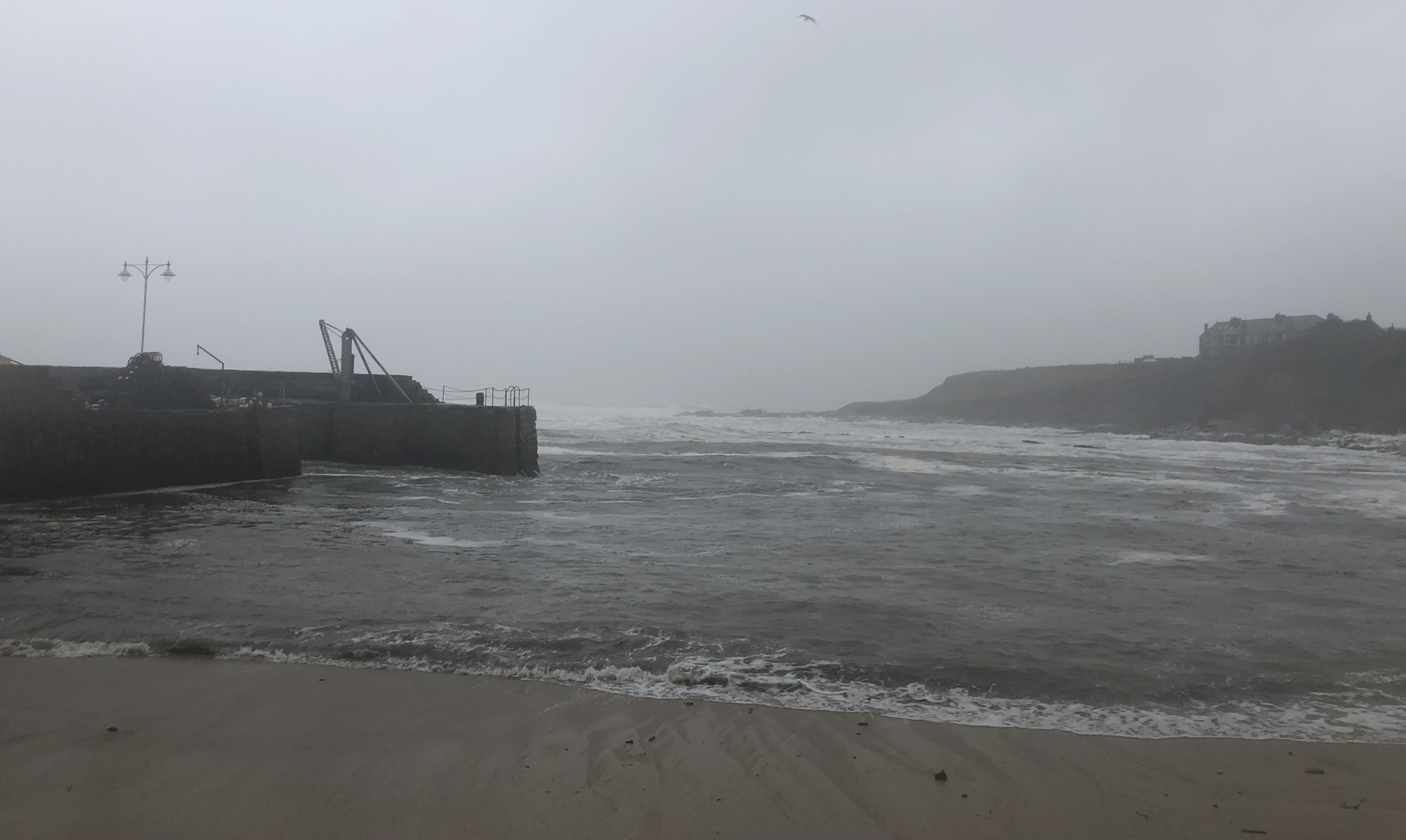
Crail Harbour

We drove on along the coast and stopped at a recommended coffee house in St Monans (The Giddy Gannet) where LSW managed half a scone.  Then we pressed on and had lunch at The Ship Inn right on the coast in Elie where LSW watched me eat a tasty plate of fish and chips with all the trimmings.   Then, with one of us rather more stuffed than the other, we set off for a final 36 hours or so in Edinburgh.
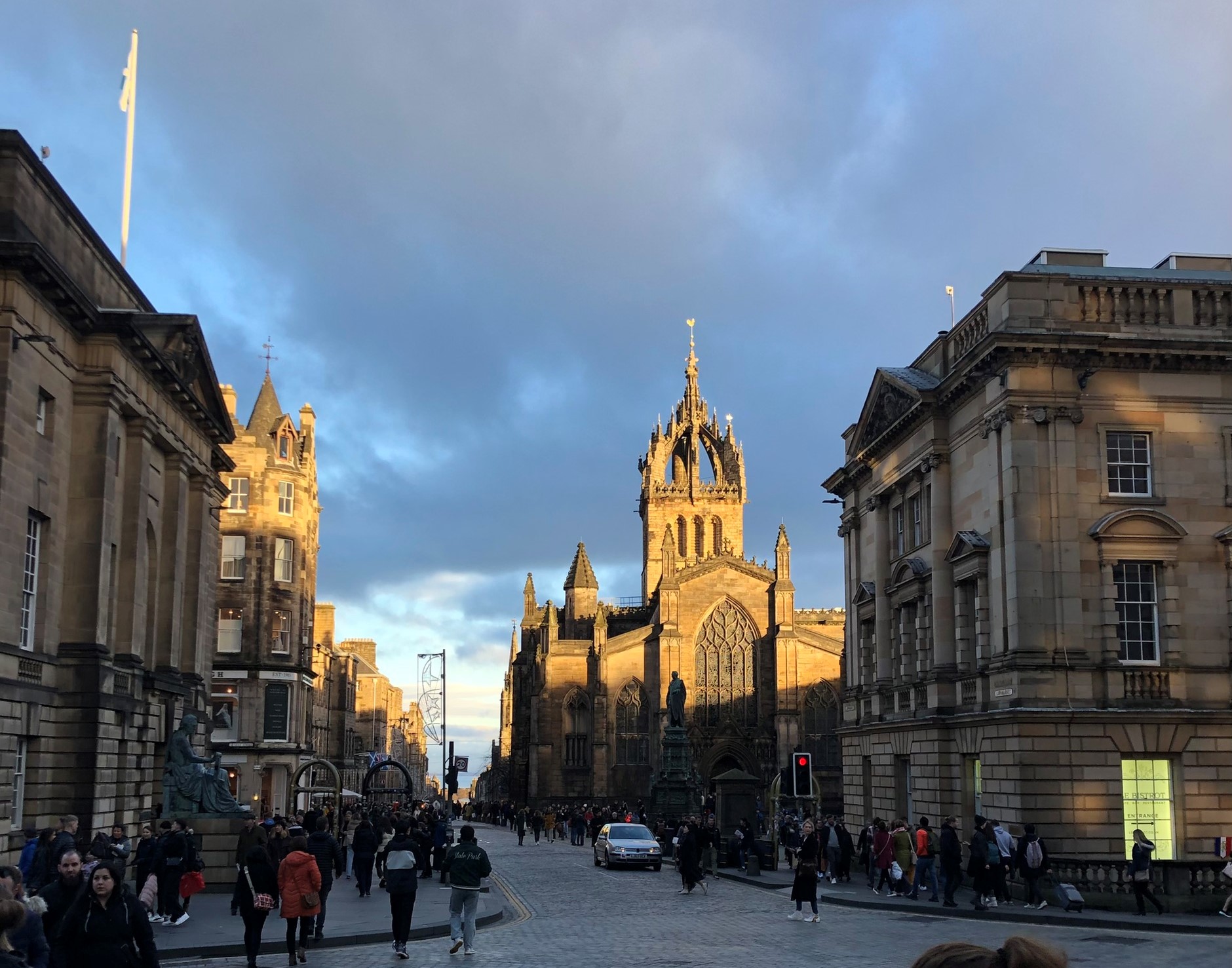
Back In Edinburgh: The Royal Mile

Remarkably given the pressures and events of the last few days, Eldest Son (ES) and his wife were entertaining again (with help from her Mum), this time to celebrate her Dad’s birthday.  It was a lovely evening with, as usual, lovely food and a chance to meet one of ES’s new uncles-in-law and his wife.  Gradually LSW and I are getting to know our newly extended family.

To round off a momentous and lovely week in Scotland, (lovely despite what viruses and the weather occasionally threw at us), we had a few hours with FG including a visit to the National Museum of Scotland.  We had taken him there earlier in the year and he loved it again even though he was still recovering from his illness.  I previously vowed to take him to this wonderful museum whenever possible when in Edinburgh and that vow stands; it is so exciting for him and, as he grows up, I think it will retain his interest (no pressure FG!)
Life on Mars

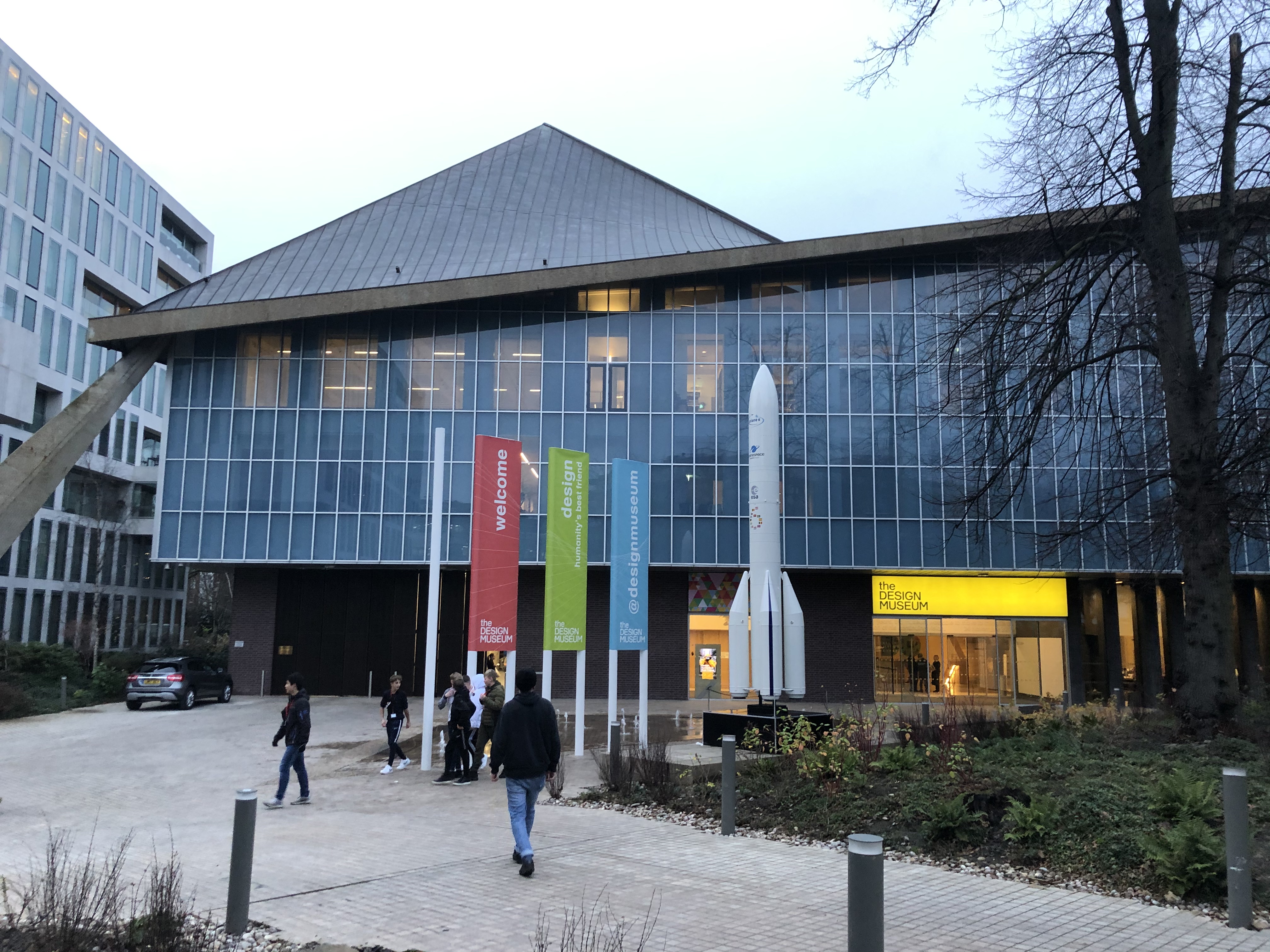
As forecast in my last blog post, Eldest Son (ES) arranged for me to pop up to London one last time before Christmas to see an exhibition at the Design Museum called Moving to Mars.  ES has always been interested in Space and films about alien life and we both enjoyed the film The Martian a few years ago which addressed many of the challenges of living on Mars.  We were both keen to go to the exhibition and it felt nice being organised to do so.

The Design Museum, Kensington, London

The Design Museum, Kensington, London

The exhibition was full of video and interactive exhibits.  It was just as well that we went at a quiet time; otherwise, the waiting to get access to each one would have been onerous.  As it was, we were able to sample everything without queues and at our own pace.

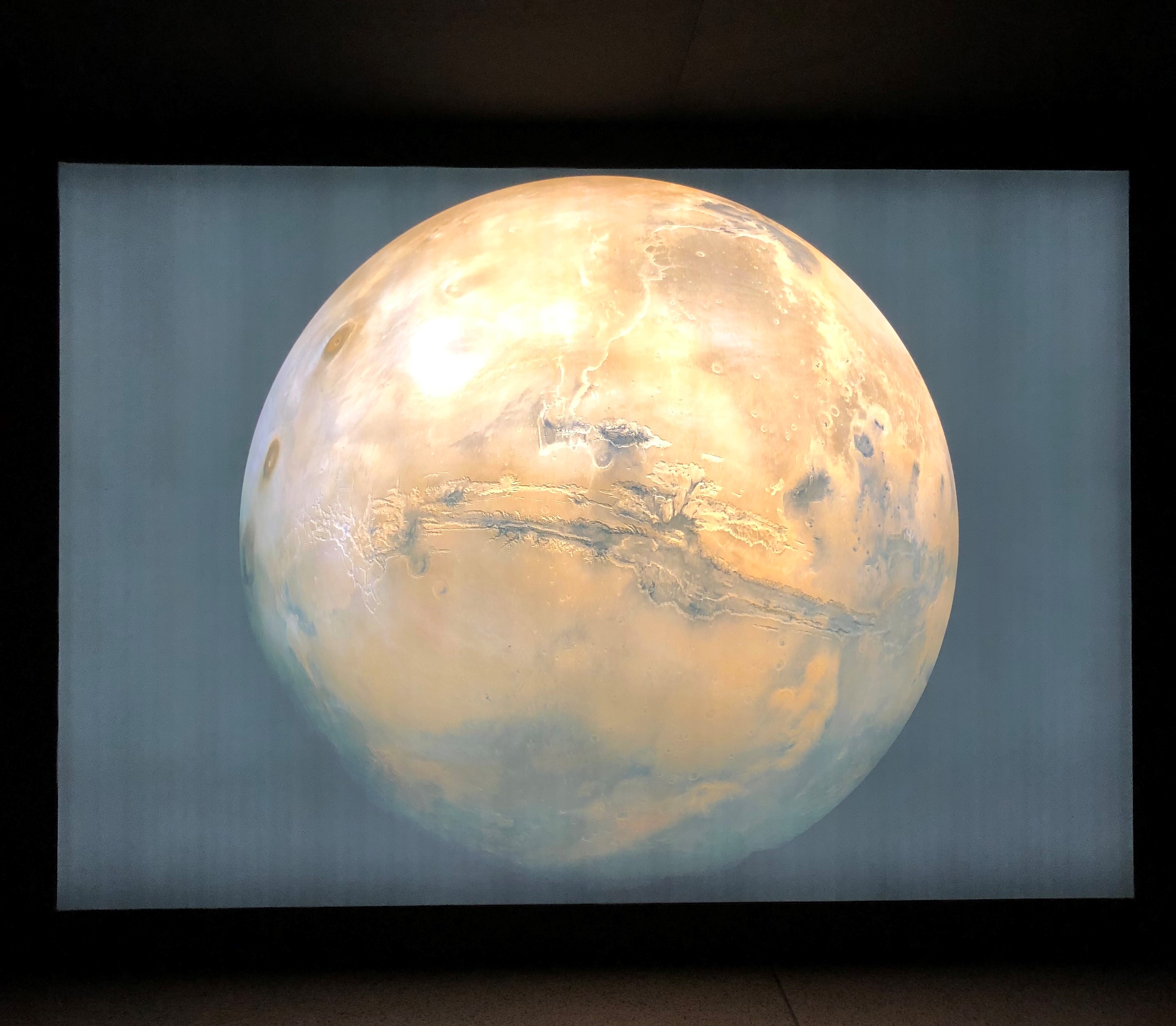
Mars

Mars

The exhibition started with a history of the astronomy relating to Mars.  Most interesting here was the build-up of the legends concerning the canals of Mars.  These were thought to be long interconnected channels on Mars’s surface that proved the past flow of water.  Some, including US astronomer Percival Lowell, thought the canals indicated that intelligent alien life had directed ice cap melt to other parts of the planet.  The presence of the canals prompted many stories, comics and films relating to this idea of alien life on Mars and there was a section in the exhibition making this connection.

It now seems however, that, although there was once water on Mars, the canals are not in fact real.  Rather, the images of a canal network were an optical illusion created by the early high-magnification telescopes reflecting the blood vessels in the retinas of the 19th and early 20th century astronomers.

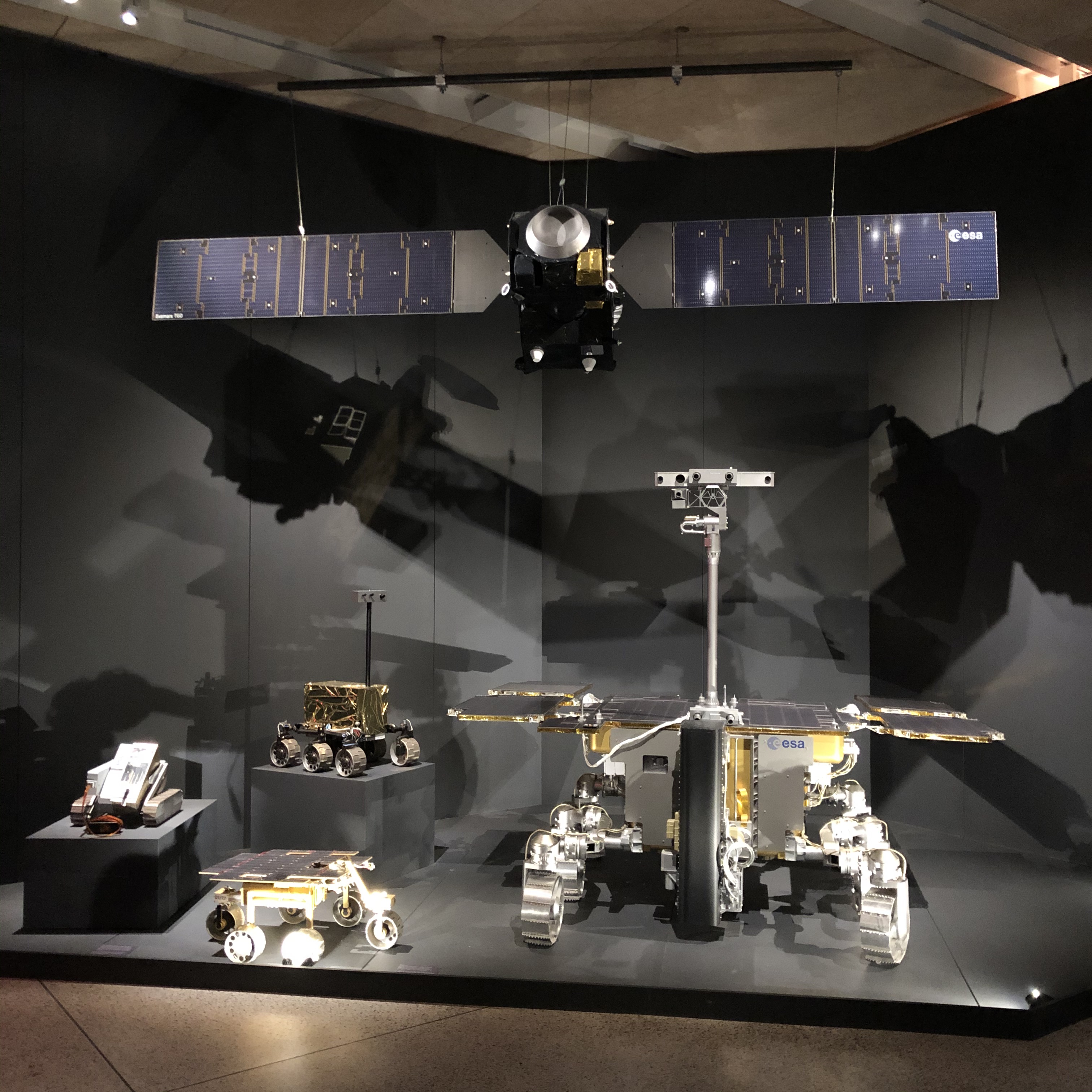
The following sections of the exhibition included scaled and life size models of recent vehicles sent to Mars to explore the planet.  The science involved in getting these satellites and rovers through our atmosphere and gravitational pull and then so far away to Mars is incredible.

Scale Model Of The ExoMars Rover (Due For Launch 2020) And, Above, A Mars Satellite

Scale Model Of The ExoMars Rover (Due For Launch 2020) And, Above, A Mars Satellite

Some of these roving vehicles have been sending back photos and other information for years and the pictures of the Martian landscape on show were incredibly detailed and vivid.  However, one of the videos was of a scientist who claimed that a human operating on Mars would be able to gain more information in an hour than these robot vehicles can in years.  That is what is driving new multi-national efforts to put astronauts onto Mars.

Those efforts were showcased as an introduction to sections of the exhibition devoted to how astronauts would survive such a long journey (7-9 months) physically and mentally and then survive in Mars’s hostile environment which is very cold, radio-active and toxic.  There were interesting videos of how the astronauts on the current space station (there are six on board today) manage their daily routines of experimentation, fitness maintenance and personal hygiene.

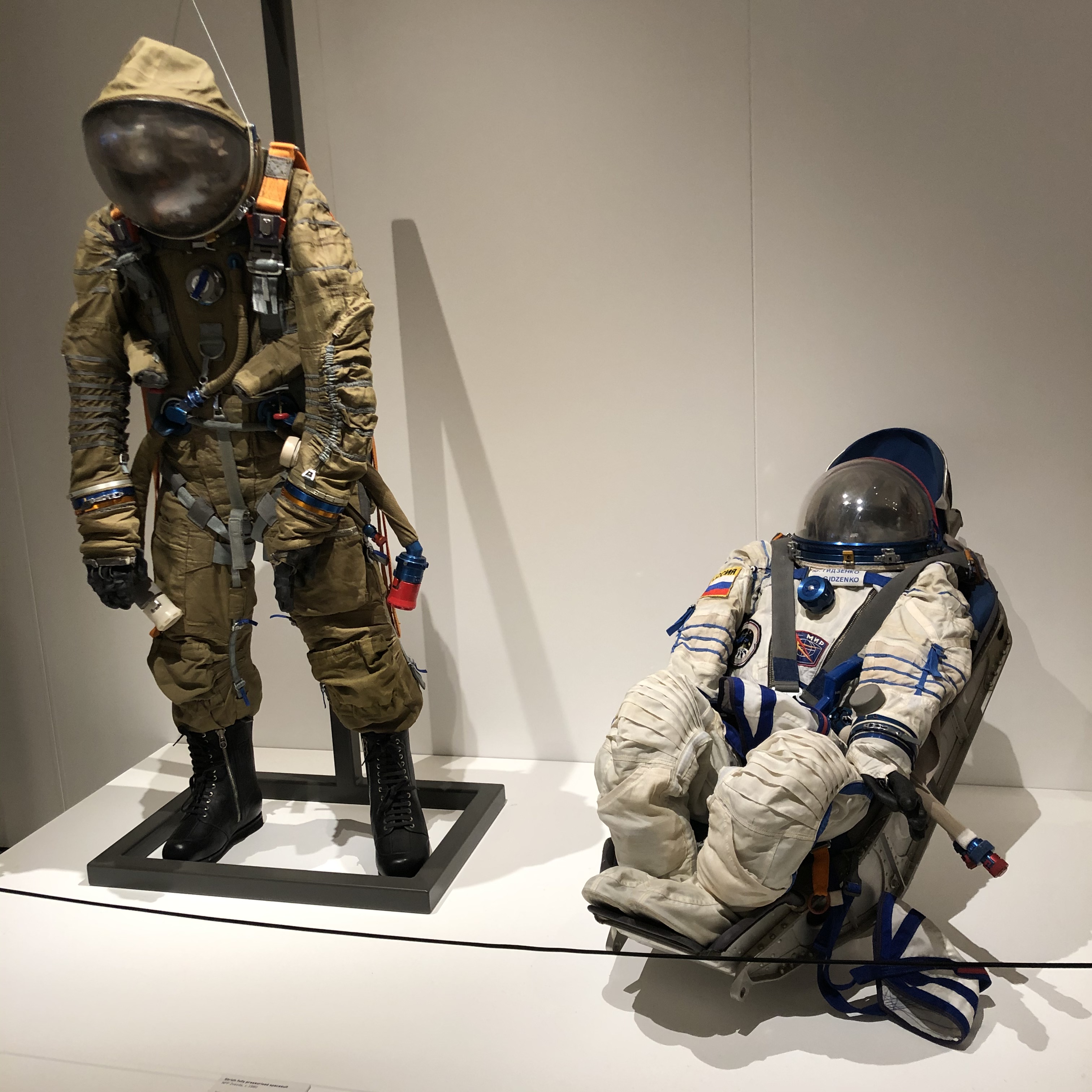
Soviet Pressurised Spacesuits

Soviet Pressurised Spacesuits On Show At The Move To Mars Exhibition

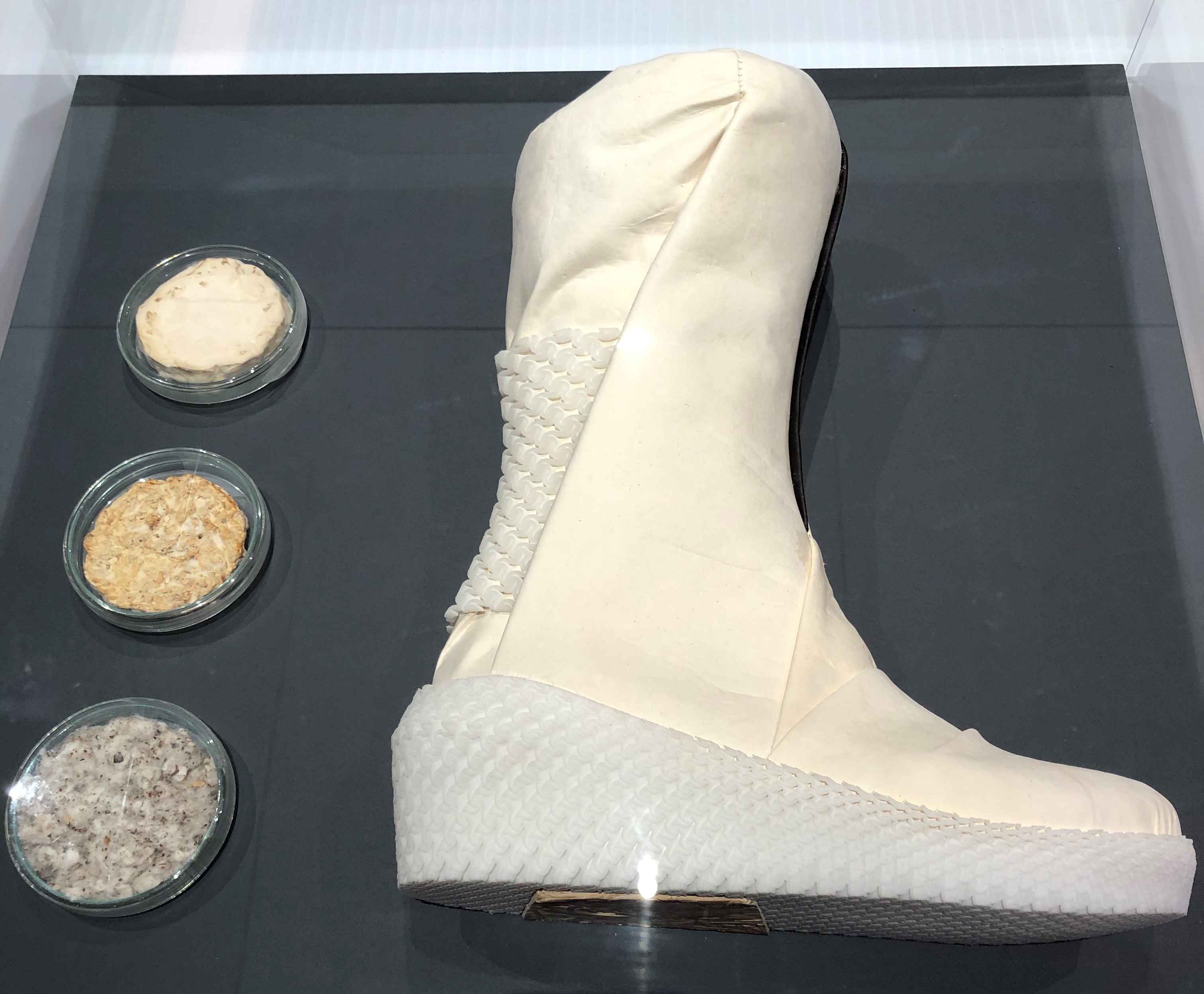
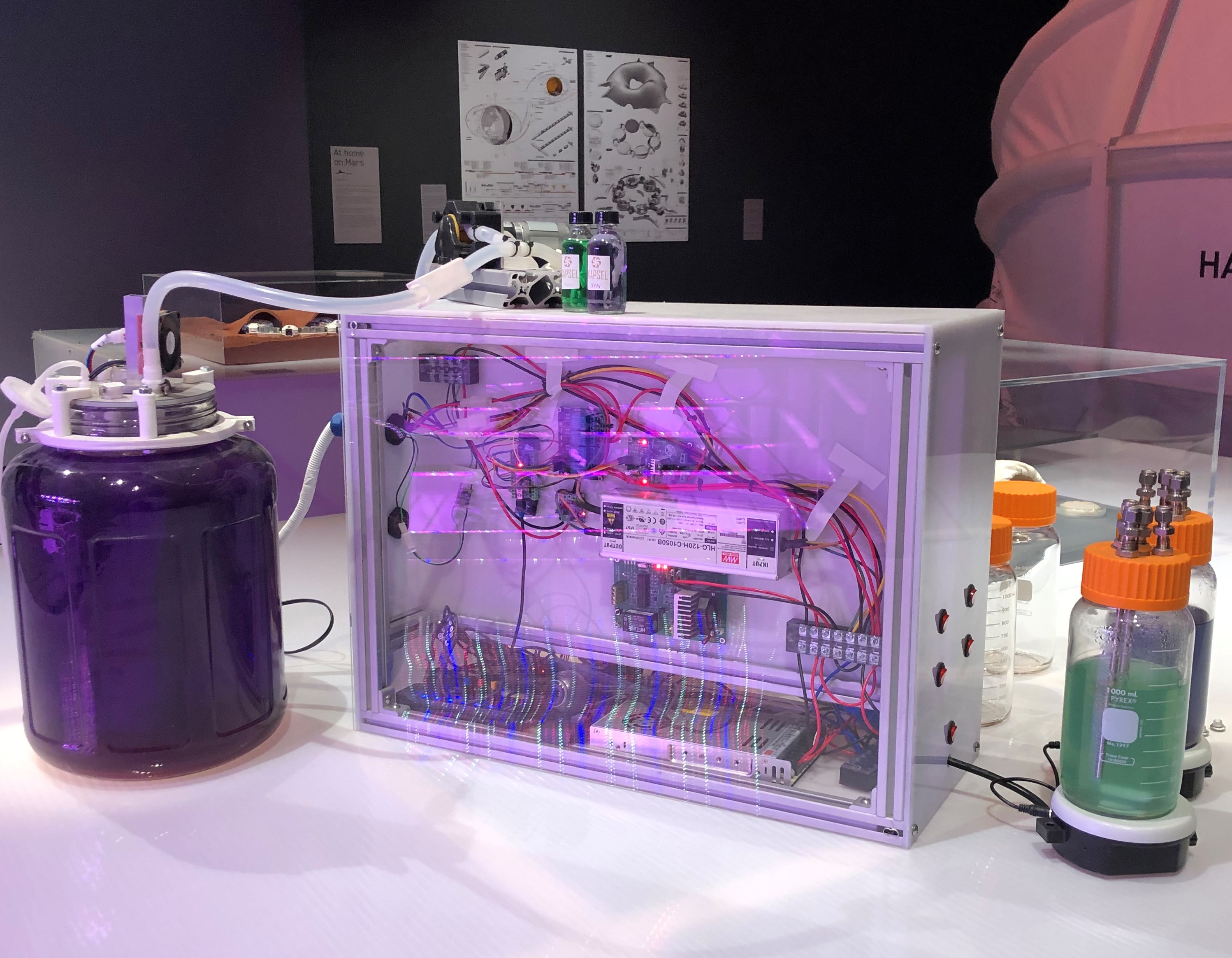
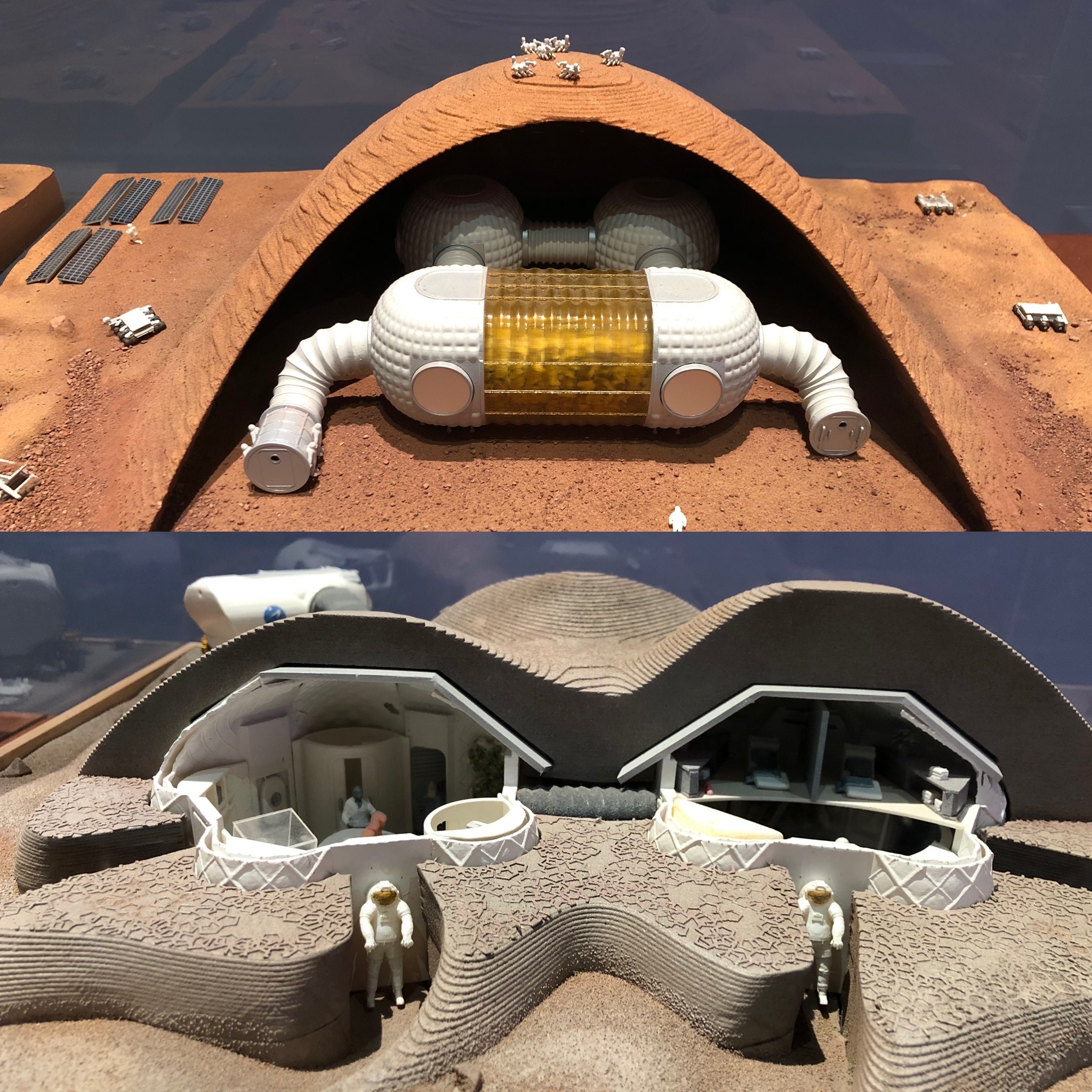
There was portrayal of how robots might build insulated buildings in advance of human arrival on Mars and how algae and fungi might provide food and clothing materials (thereby avoiding the need to transport food and clothing to the planet).

img_51101.jpg

Boots Made From Woven From Fungal Mycelium That Could Be Grown On Mars (So Saving Transported Weight On The Spaceflight)

Algae Production Unit

Algae Production Unit For Food Production On Mars

Finally, there was a section showing an alternative to the approach to building habitats for humans that would insulate against the Martian environment.  This alternative postulated the idea that plant and animal life tolerant to the environment could be introduced onto Mars and that this could change the environment progressively to something more acceptable to humans.  This would be a very, very long process and seemed far-fetched to me.

Models Of Habitats Designed For Robot Builds and Human Habitation On Mars

Models Of Habitats Designed For Robot Builds and Human Habitation On Mars

More interesting were the relationships between innovations and ideas for living on Mars that could be used to survive the potential catastrophes that might befall Earth (fire, flood, pestilence, war etc.) or, even better, might help us prevent some of those catastrophes.

ES and I both enjoyed the exhibition.  To cap the day in London, we went off to a family drink and meal with Long-Suffering Wife, all three sons and two sons’ partners. It was a great way to kick off the festive season.

To all readers of this, have a great festive and holiday season yourselves.  Have fun!