Art in Bilbao

The attraction of the Guggenheim Bilbao Museum was the main reason for us choosing to visit Bilbao.  It is certainly the main tourist magnet in the city and a centrepiece that dominates views downstream from the Old Town and from the slopes to the north of the city.  We visited it straight after breakfast on our first day and, after a quick wander around the amazing building, were ready for entry at opening time.
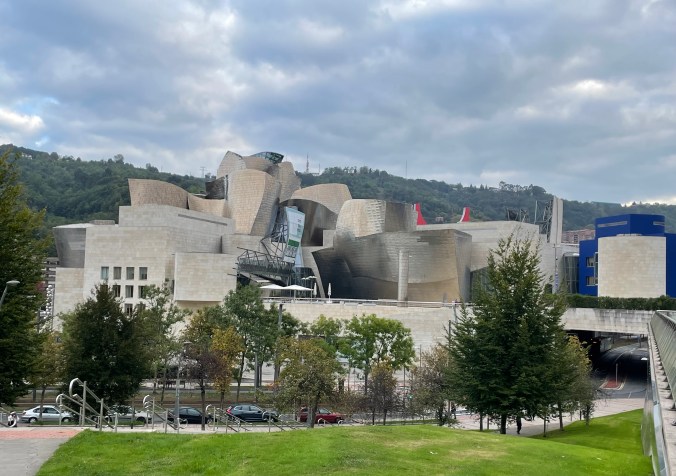
Approaching The Guggenheim Museum

Fortuitously and a little randomly, we went straight to the top floor with a plan of working our way down.  That avoided the initial rush of visitors and enabled us to visit Yayoi Kusama’s ‘Infinity Mirrored Room’ before any queue had built up.  Jane knew what to expect but I didn’t and when we got inside the room containing the work, I was taken aback.  Unfortunately, I then spent more time posing for a picture of the two of us in the mirrors than understanding what I was looking at before we were ushered out with our visiting time having expired.  Our visit made for an interesting photo though….
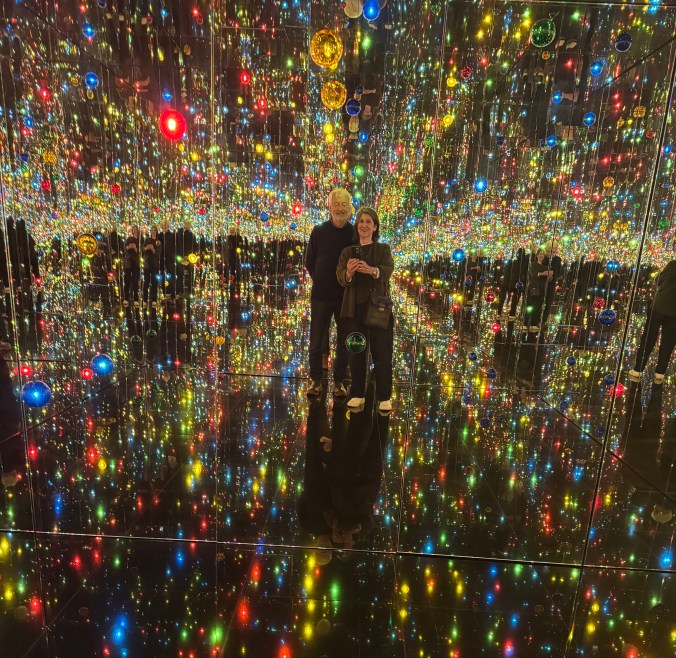
After that rather helter-skelter experience, we were able to take our time perusing the top floor.  It became clear that some of the permanent collection was not on show at this time.  While that was disappointing, there was plenty to see.
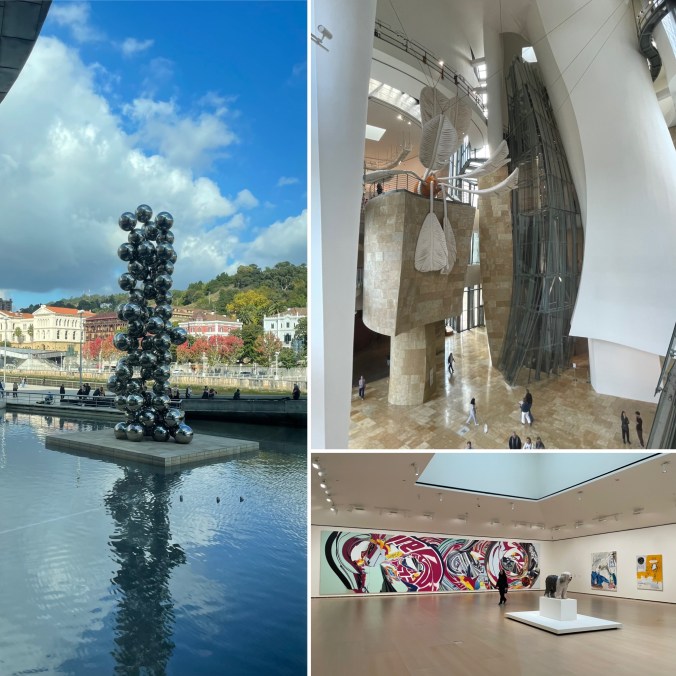
Views From Inside, And Of The Inside, Of The Guggenheim

Much of the space on the first floor was taken up by an exhibition custom-made for the Guggenheim by American artist Barbara Kruger called ‘Another day. Another night’.  This was dominated by multiple words and phrases stuck to the walls, ceilings and floors.  These were in Spanish (not unreasonably given we were in Spain!) so I absorbed the overall effect rather than the meanings.  Elsewhere there were video artworks that probed the ambiguity of word meanings and one of these was a rather timely and captivating analysis of the words (and their imagined alternatives) in the US Constitution. 
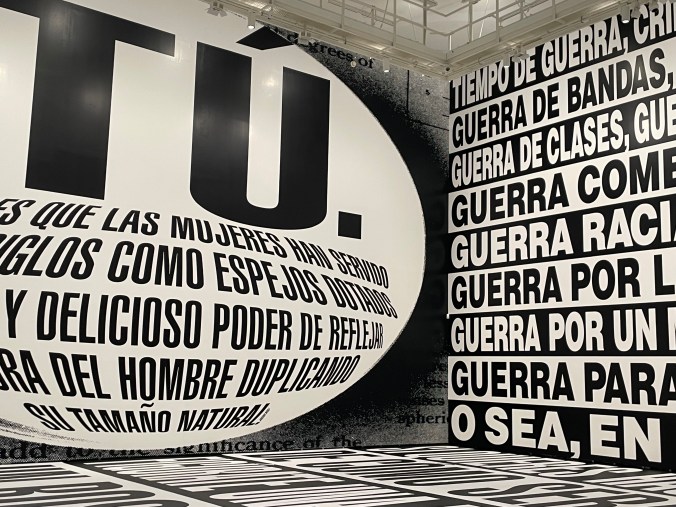
Barbara Kruger At The Guggenheim

Another temporary exhibition by Sky Hopinka called ‘No Power’ was also a series of videos but I confess I didn’t stay to the end.

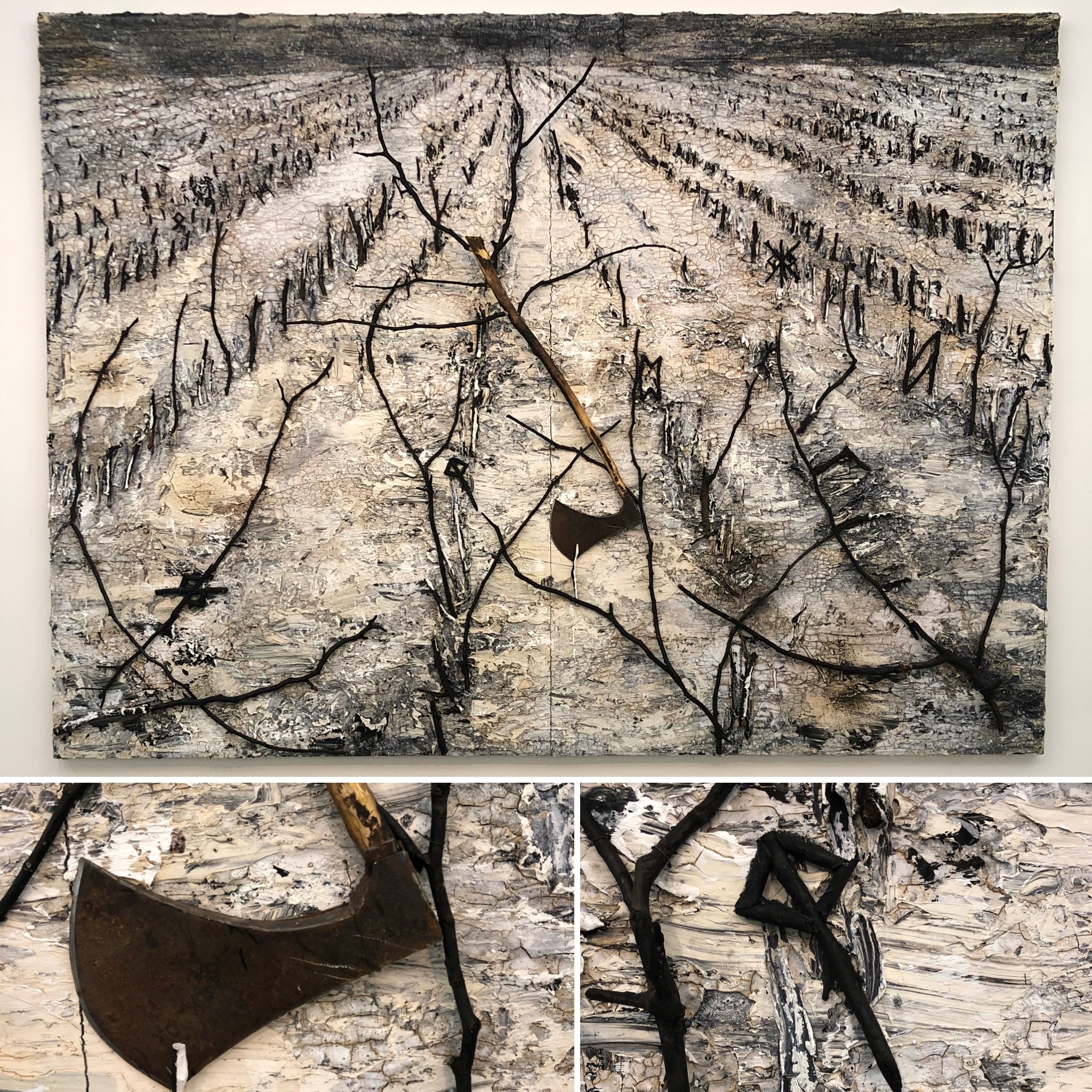
Better, I thought, were the large spaces devoted to variety of artists’ works from the permanent collection though none really gripped me.  The flower sculpture, ‘Puppy’ by Jeff Koons at the entrance to the Guggenheim was undergoing renovation but another of his works was inside alongside art by Jean-Michel Basquiat and a number of artists I hadn’t heard of before.  There was also a typically large painting by Anselm Kiefer who is one of my favourite artists (though this one was a rather dull compared to others I have previously enjoyed).
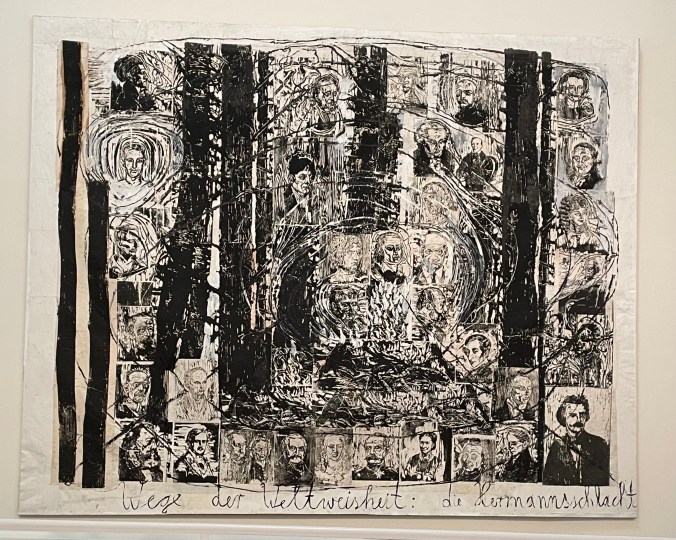
Familiar Territory - Anselm Kiefer's The Paths Of World Wisdom'
Familiar Territory – Anselm Kiefer’s ‘The Paths Of World Wisdom’

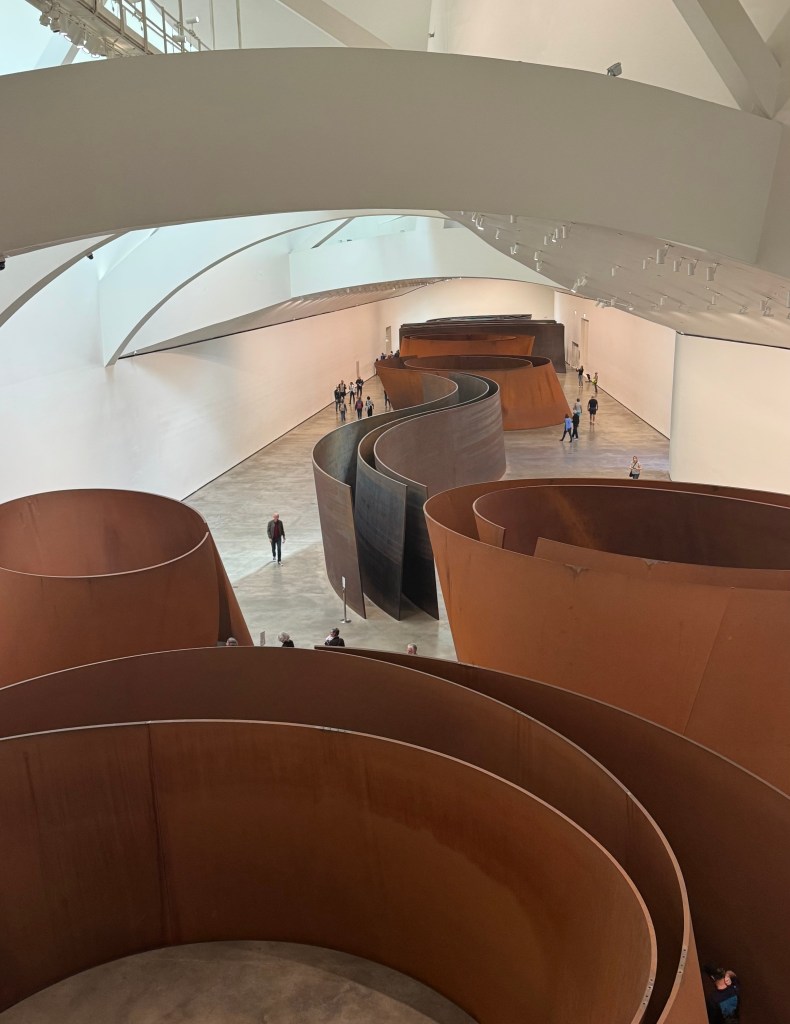
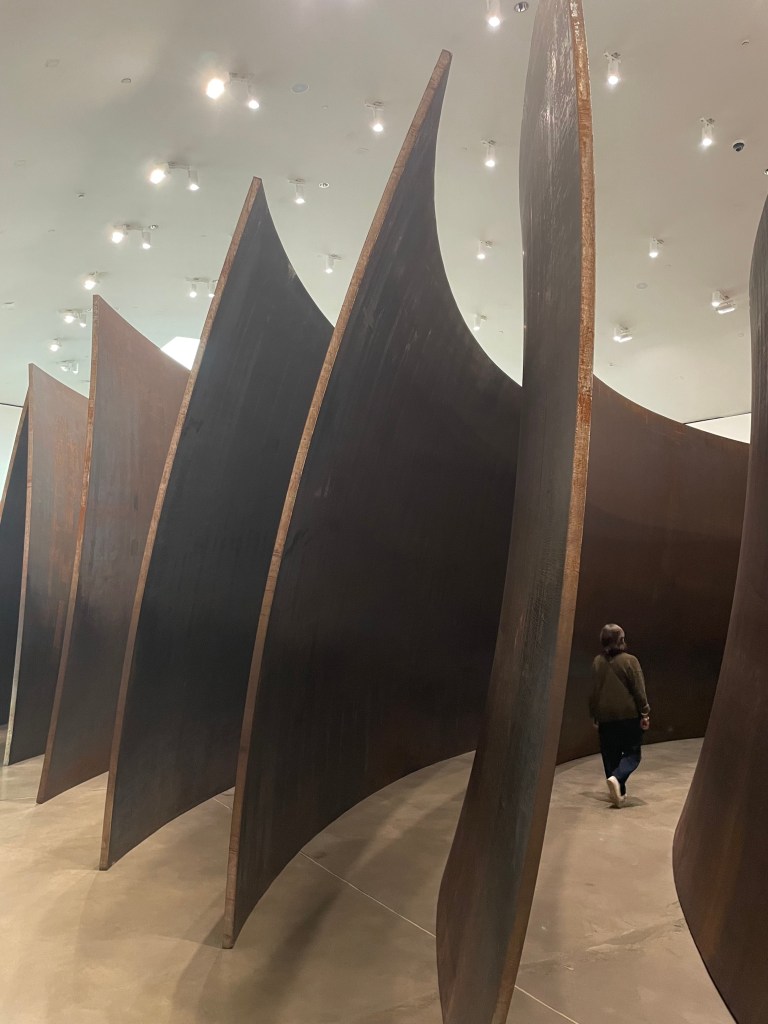
The best exhibit for me was the huge composite sculpture by Richard Serra called ‘The Matter of Time’.  It occupies a vast dedicated space on the ground floor of the Guggenheim and was great fun to walk through and around.  The balcony above provided an opportunity to take in the scale and entirety of the work while close inspection of the surfaces of the sculpture showed fascinating differences on colour and texture of the Corten (or weathered) steel of which it is made.  It’s a highly memorable aspect of the Guggenheim.
As we emerged from the Guggenheim, we experienced one of the periodic ‘fog sculptures’ designed by Fujiko Nakaya.  For a few minutes, the water and promenade next to the museum fills with a mist.  Walking through this is an interesting experience and it creates some ghostly views of the museum and its surrounds.
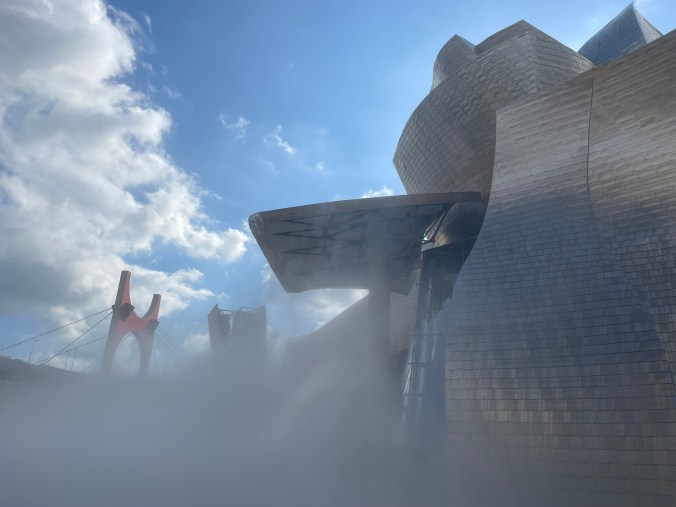
Fujiko Nakaya Fog Sculpture
Fujiko Nakaya Fog Sculpture At The Guggenheim

We then walked along the river bank past one of Louise Bourgeois’s Spiders (see below) and made our way to the Bilbao Fine Arts Museum

This gallery has a lovely Art Deco façade which appeared to be undergoing some restoration.  Inside, all was peaceful and spacious and I really enjoyed the visit.

The entrance hall has a wide variety of work which, most interestingly, contained Richard Serra’s model for ‘The Matter of Time’ sculpture we had just seen in the Guggenheim.  It was a little weird to see the same work we had just experienced in the Guggenheim on such a smaller scale.
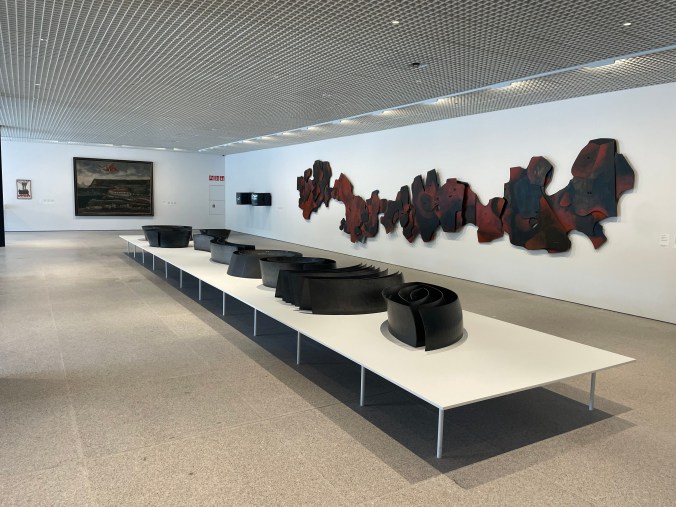
Bilbao Fine Arts Museum Including The Model Of 'The Matter Of Time' By Richard Serra
Bilbao Fine Arts Museum Including The Model Of ‘The Matter Of Time’ By Richard Serra

The highlight of the Fine Art Museum was a large exhibition of work by Georg Baselitz, a German artist.  I had only vaguely heard of him before; indeed, I had seen and liked a couple of his works that we had seen earlier in the day in the Guggenheim.  Here was a very large collection of his portraits.
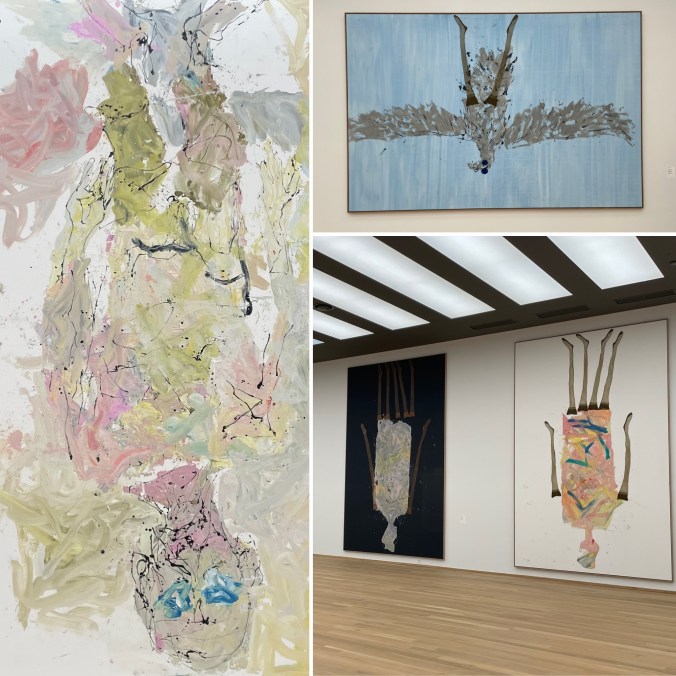
Paintings By Georg Baselitz, Bilbao Fine Arts Museum

These were mainly of people portrayed either upside down or on their side.  Many appeared as figures akin to skeletons.  Some had been painted while a disabled Baselitz scooted across the canvas in his wheelchair thereby creating strange tyre track markings across the canvas.  This was initially all a bit disorienting – I think that was Baselitz’s objective – but as we walked from huge room to huge room, I got in tune with his paintings and really enjoyed the collective feel of them.
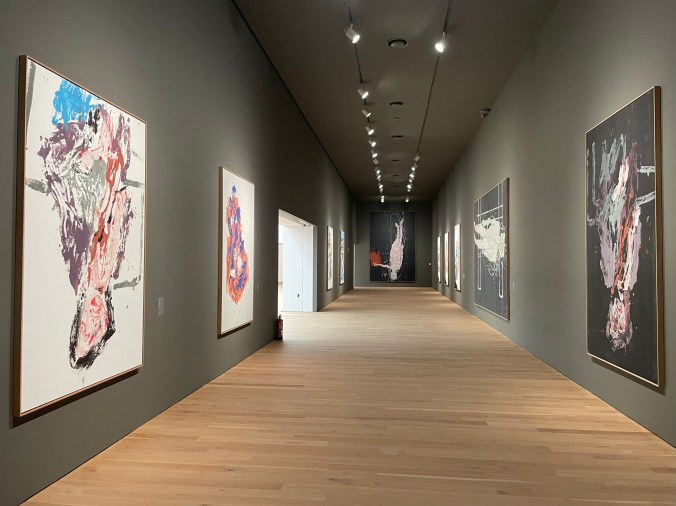
Paintings By Georg Baselitz, Bilbao Fine Arts Museum
More Paintings By Georg Baselitz, Bilbao Fine Arts Museum. A Particularly Good Room I Thought

As we left the museum with our culture fix complete, and still two whole days in sunny Bilbao to go, we felt very satisfied with our choice of Bilbao as a city to visit. 
Fragmented Summer

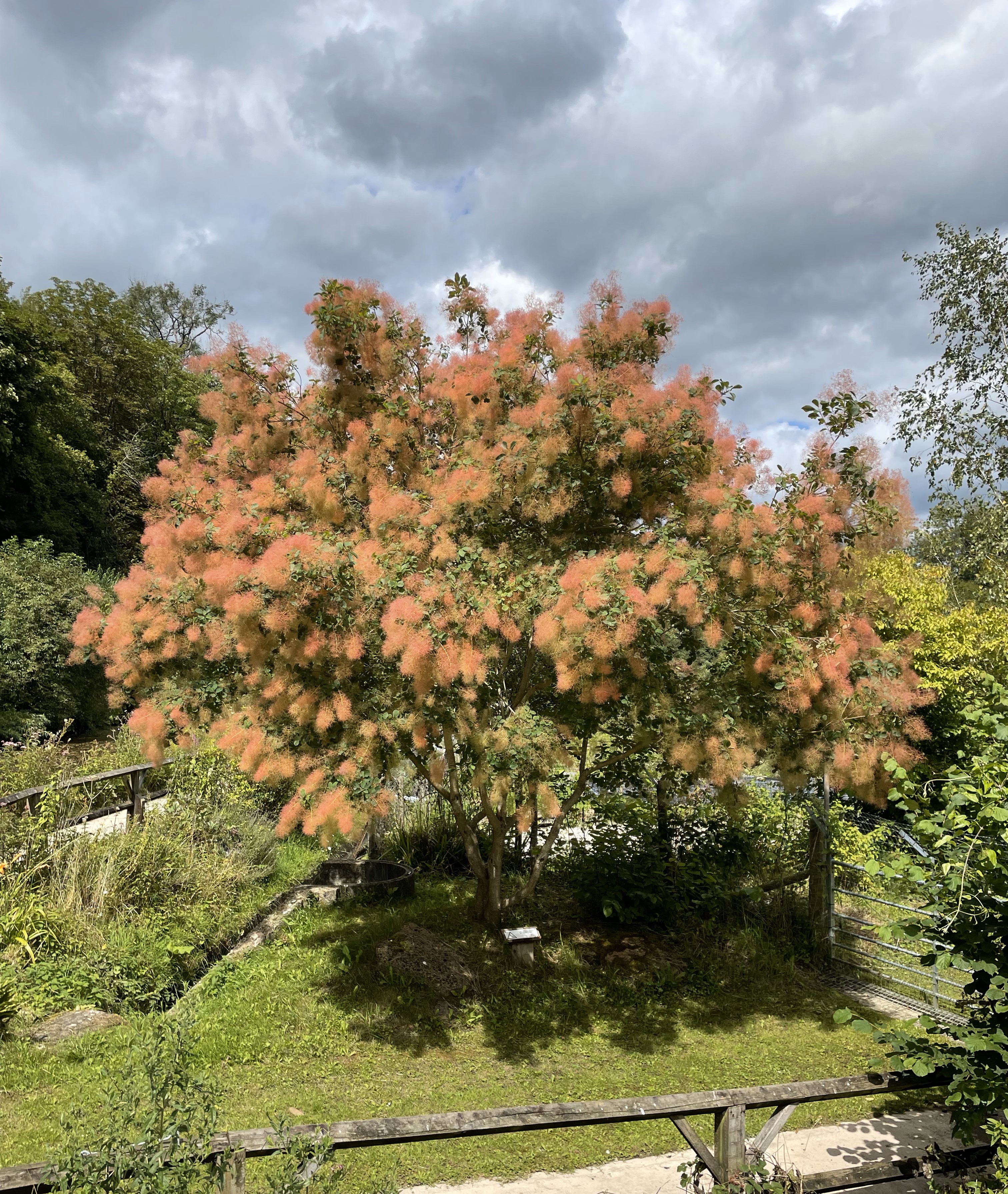
June this year was wonderfully sunny.  The vegetables would have appreciated a little more rain but July certainly made up for that.  Indeed, July and, so far, August have often felt autumnal and summer has only come in fits and starts.  The sunny periods may have been intermittent but maybe that has helped us to appreciate the sun more on the occasions when it has shone on the unusually verdant countryside.

Intermittent Bright Summer Sunshine On My Daily Walks Into Town

Our summer has sometimes felt as fragmented as the weather.  The lack of any ties to school holidays and, much more recently, my retirement has meant that we don’t tend to book blocks of holiday through the summer months.  As a result, we don’t have centrepiece diary commitments to schedule around.  Instead, we have moved towards multiple shorter trips including those to our sons in Belfast and Edinburgh, plus a couple of day visits to Nottingham to check on my Dad during a period of ill-health. 

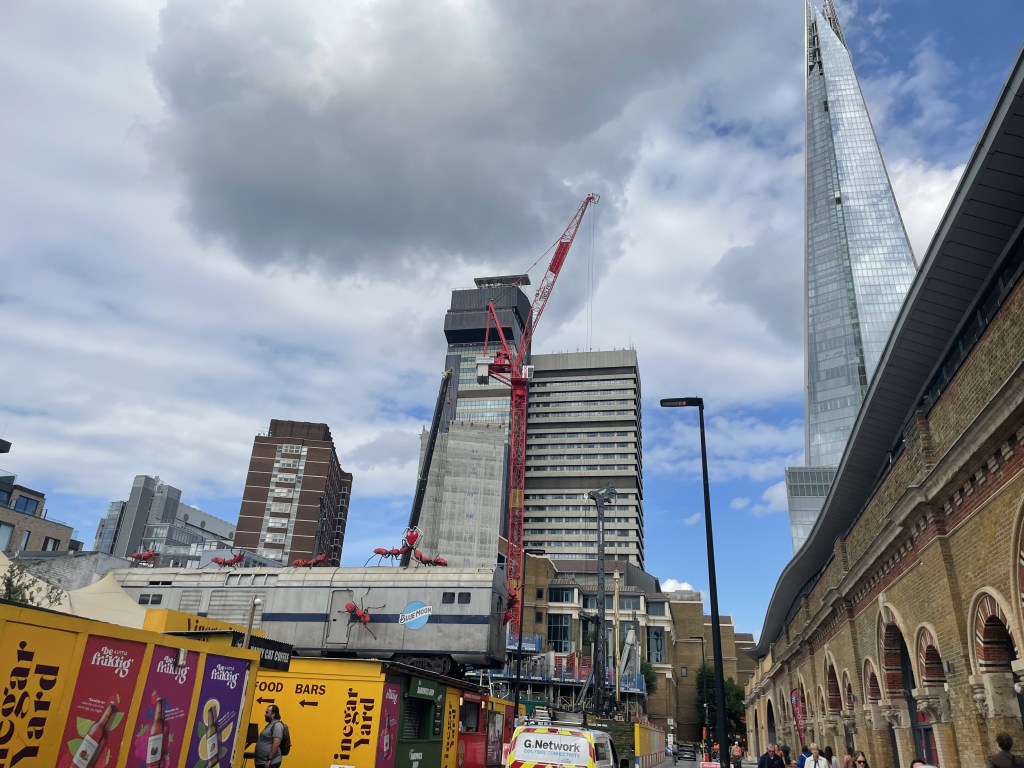
The Wonderful Variations Of London’s Skylines

Retirement means flexibility too.  I was able a few weeks ago to piggy back, at relatively short notice, onto the back of a visit Jane was making to London to see a friend of hers.  We could share the driving a bit and I caught up with an old friend of my own.  I also took the opportunity to visit an exhibition of the sort that was part of my routine when we had a flat or sons in London.  I miss those exhibition trips a lot.  This one was a visit to the rather wonderful White Cube in Bermondsey.

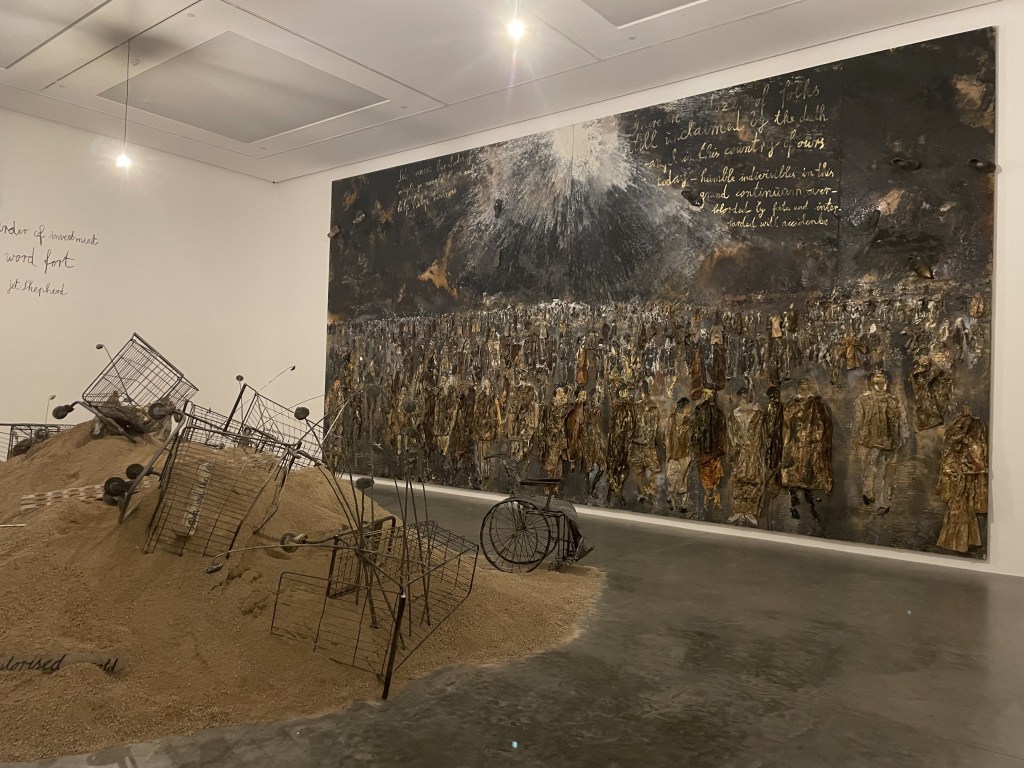
Anselm Kiefer At The White Cube Gallery, Bermondsey

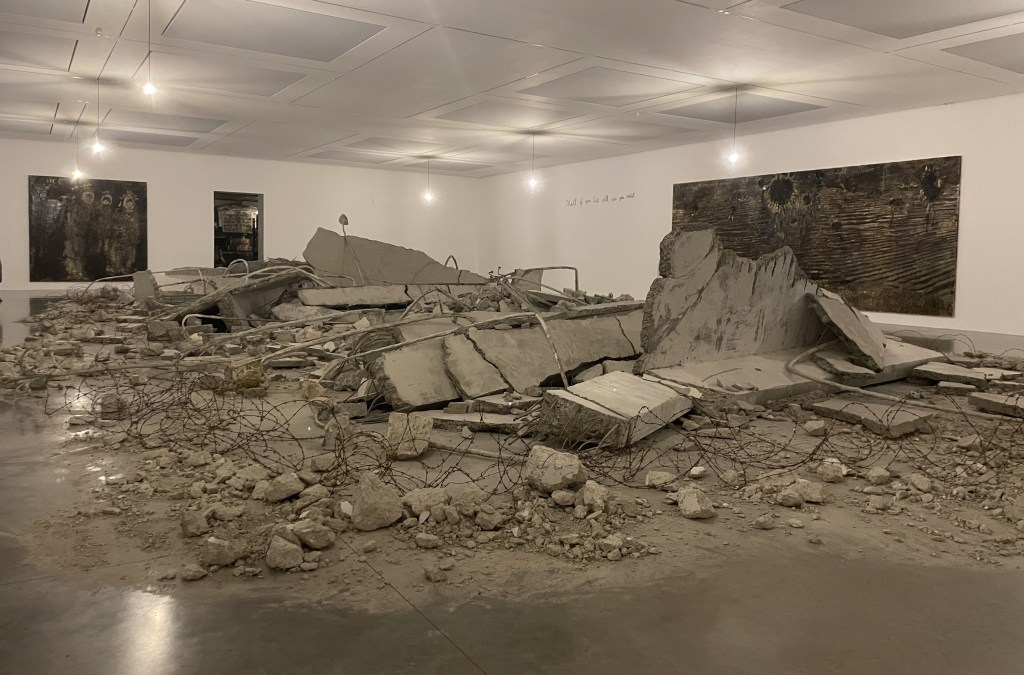
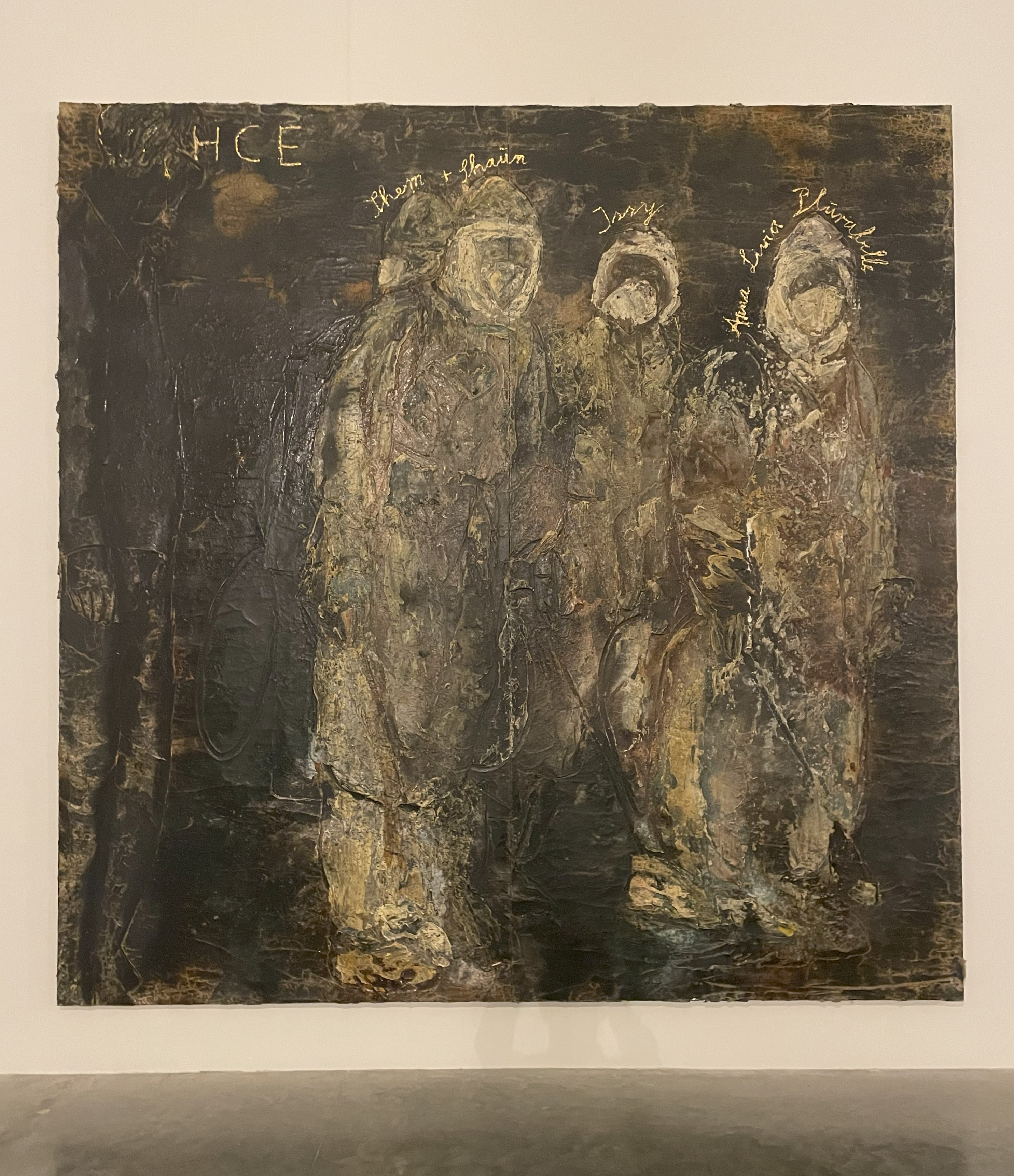
I have been to this gallery several times and one of the most memorable visits was to see an exhibition by Anselm Kiefer.  I wrote briefly here about that back in January 2020 just before Covid disrupted things.  The monumentalism and scale of that exhibition is repeated in his latest works at The White Cube.  I loved it and the White Cube spaces were perfect for it!

More Anselm Kiefer

Kiefer’s works this time were based around the novel by James Joyce called Finnegan’s Wake.  The novel is apparently (I’ve not tried to read it) a fractured mix of dream world and grim reality that deploys invented and combined words.  The language of the novel is strewn across most of the works on show.  While most of the phrases and sentences are nonsensical in this context, they added somehow to the mystery and sense of a dystopia as I moved from room to room.

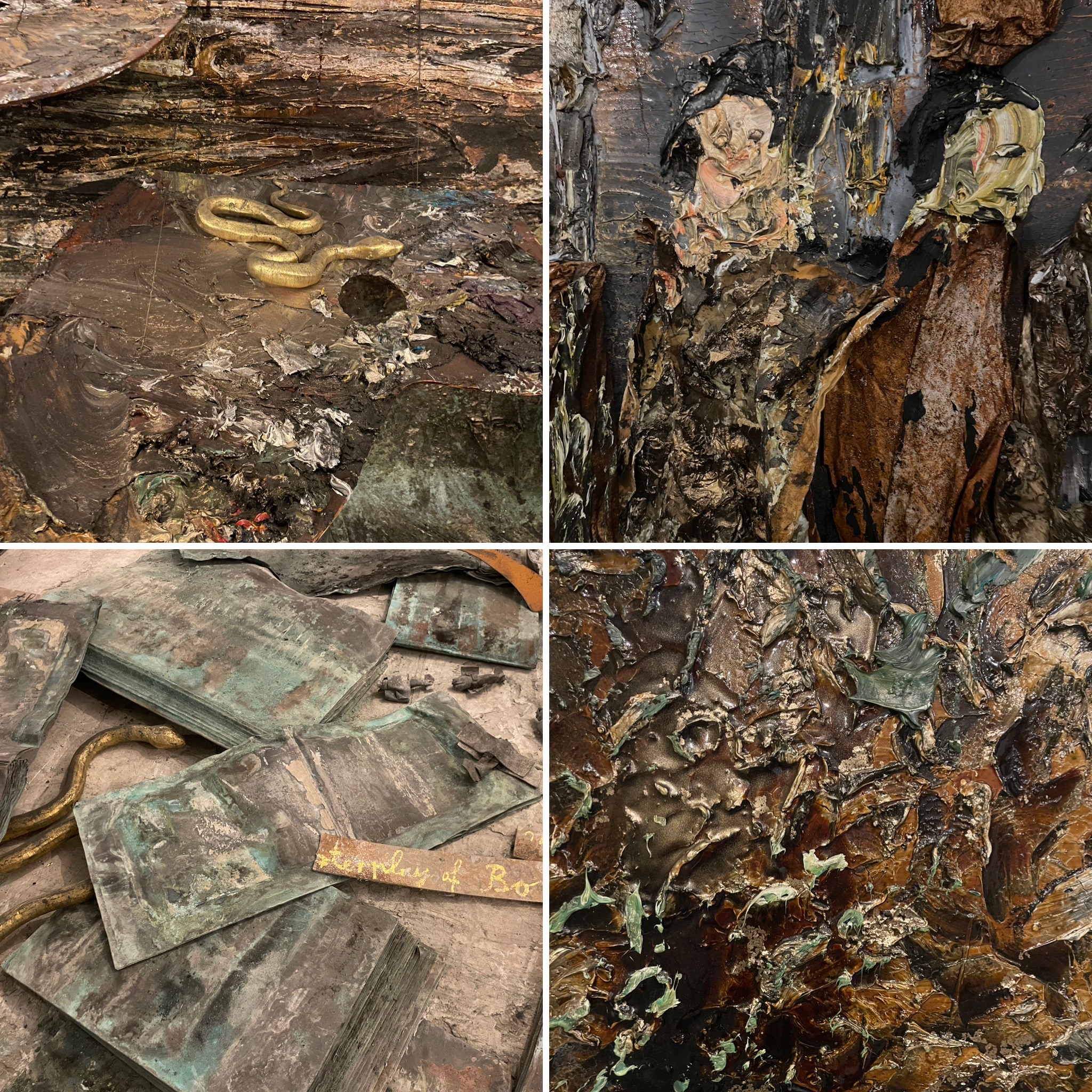
Detail From Various Anselm Kiefer Works At The White Cube Gallery

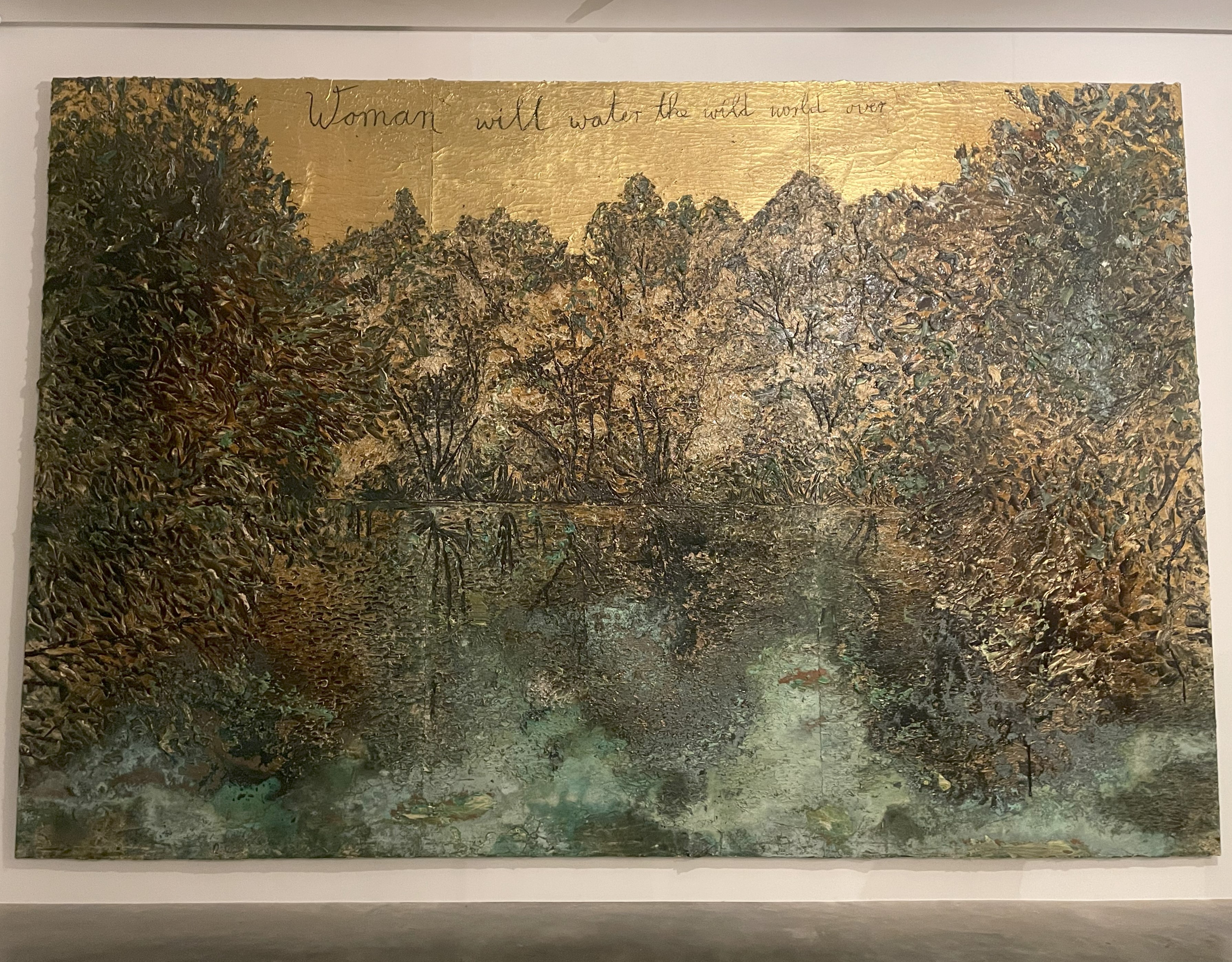
Goodness knows how the White Cube is funded – the exhibition was, as usual, free – and I fear removal of some of the works will require repolishing of the extensive polished concrete gallery floors.  To be honest the huge piles of debris in a couple of the exhibition rooms were, for all their scale, harder to appreciate than the pictures on the walls.  These were dense art works including rural scenes that worked for me close up and from observation across the huge rooms.

‘Woman Will Water The Wild World Over’ By Anselm Kiefer

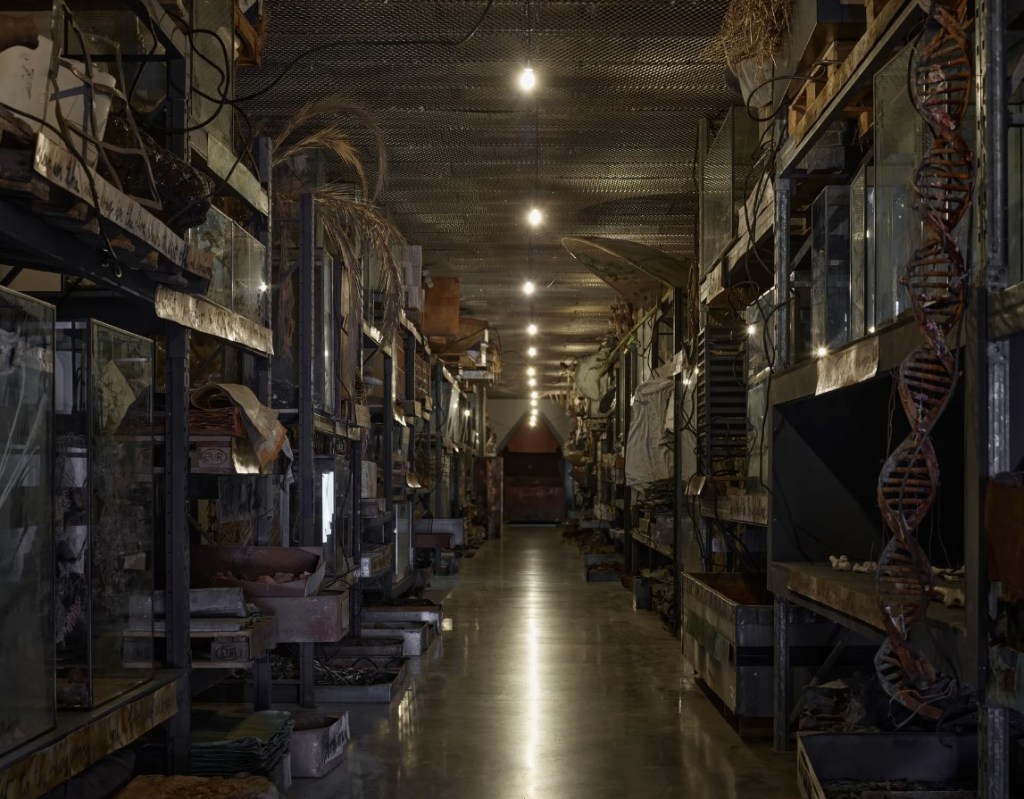
Those rooms were linked by a vast corridor stuffed with huge, dusty vitrines and crude floor-to-ceiling shelves full of… well, what were they full of?  Just stuff!  It was like walking through a museum of detritus but it was strangely compelling and all underlined by the sheer scale of the thing.

‘Arsenal’ by Anselm Kiefer

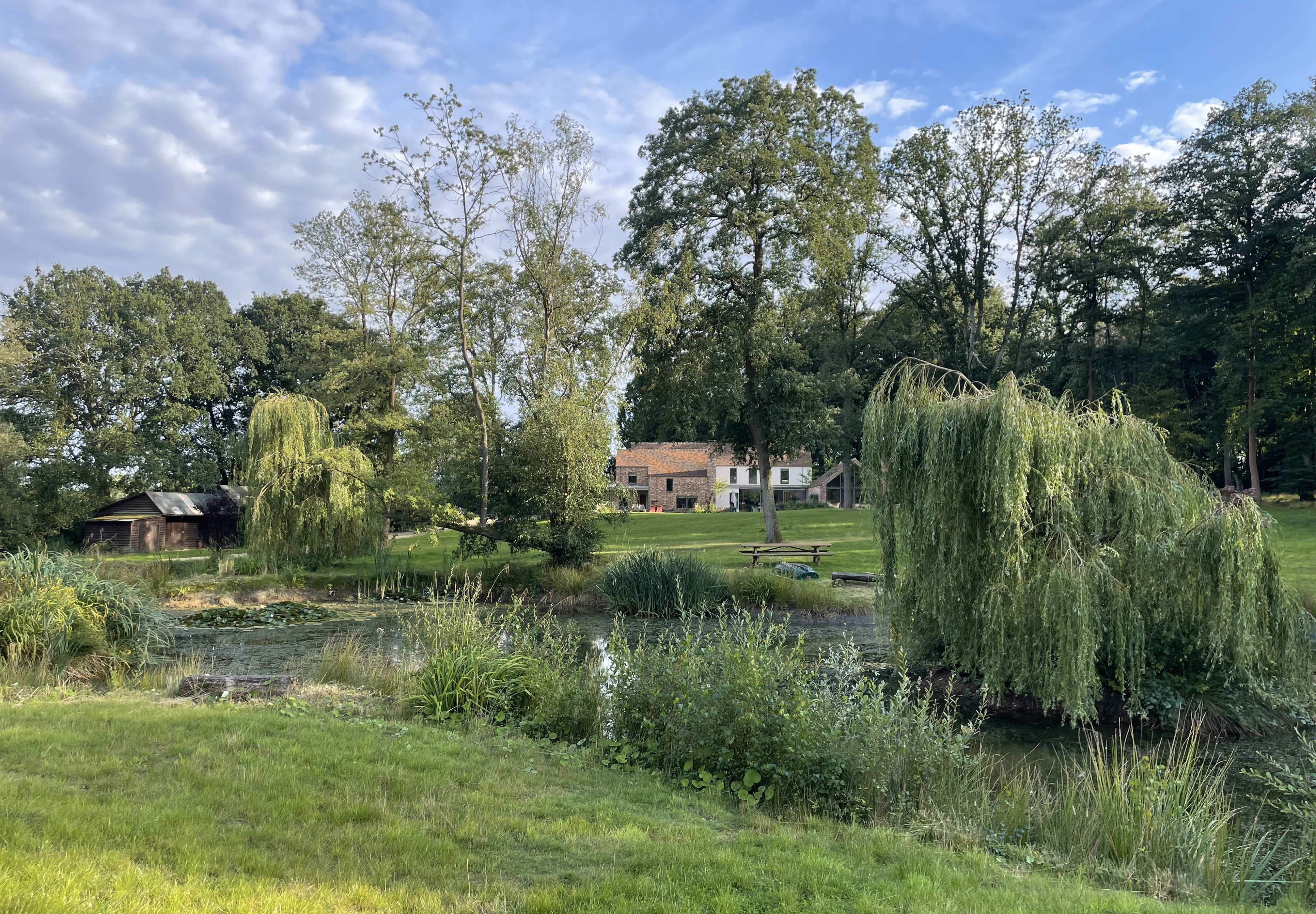
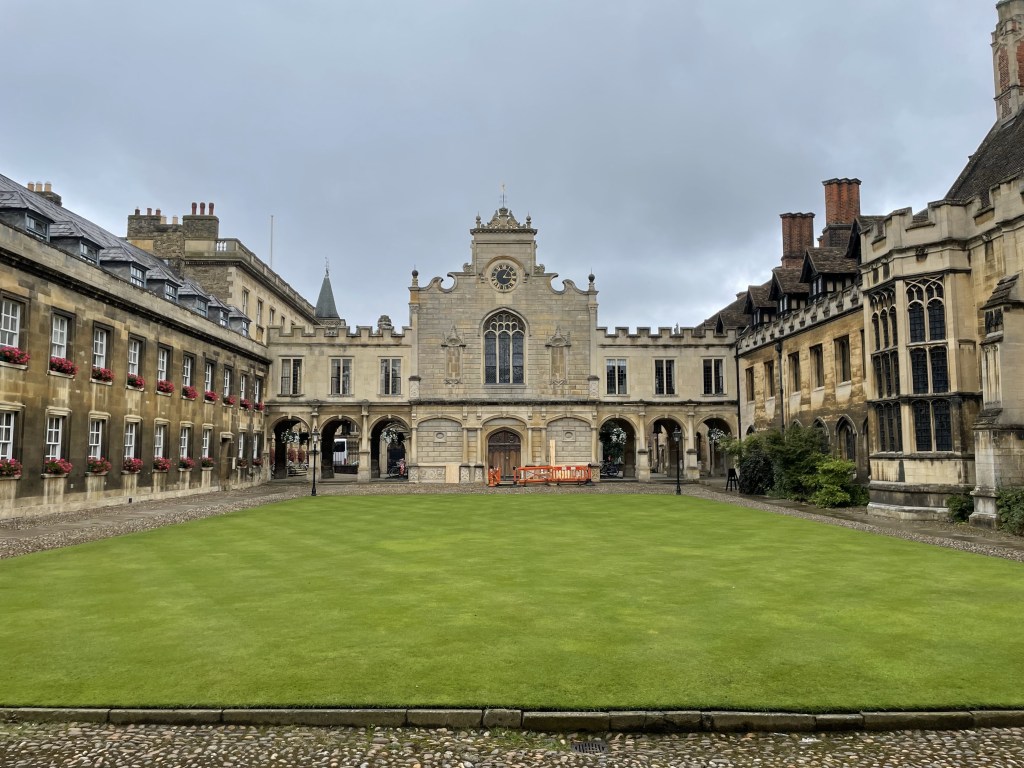
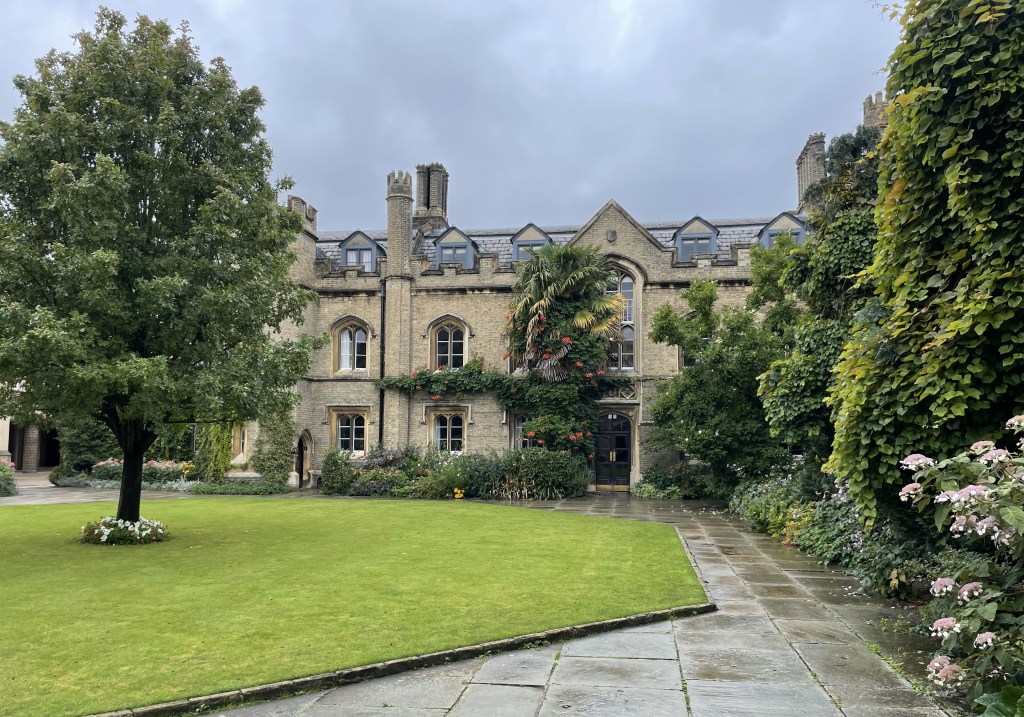
Another recent highlight has been a visit to Cambridge where I once – several decades ago – studied.  I had not been back for quite a while and the reason this time was the wedding of my Best Man (BM).  He lives nearby and we took up an Airbnb (which turned out to be outstanding) in his village and travelled into Cambridge twice: once for the formal registry element of the wedding and then again for a ceremony and reception held in BM’s and my old college, Peterhouse

Our Outstanding Airbnb (Just the Left-Hand Portion Of The Building) From The Grounds

Peterhouse Main Quadrangle and Chapel (Left) And My Old H Staircase In Gisborne Court (Right)

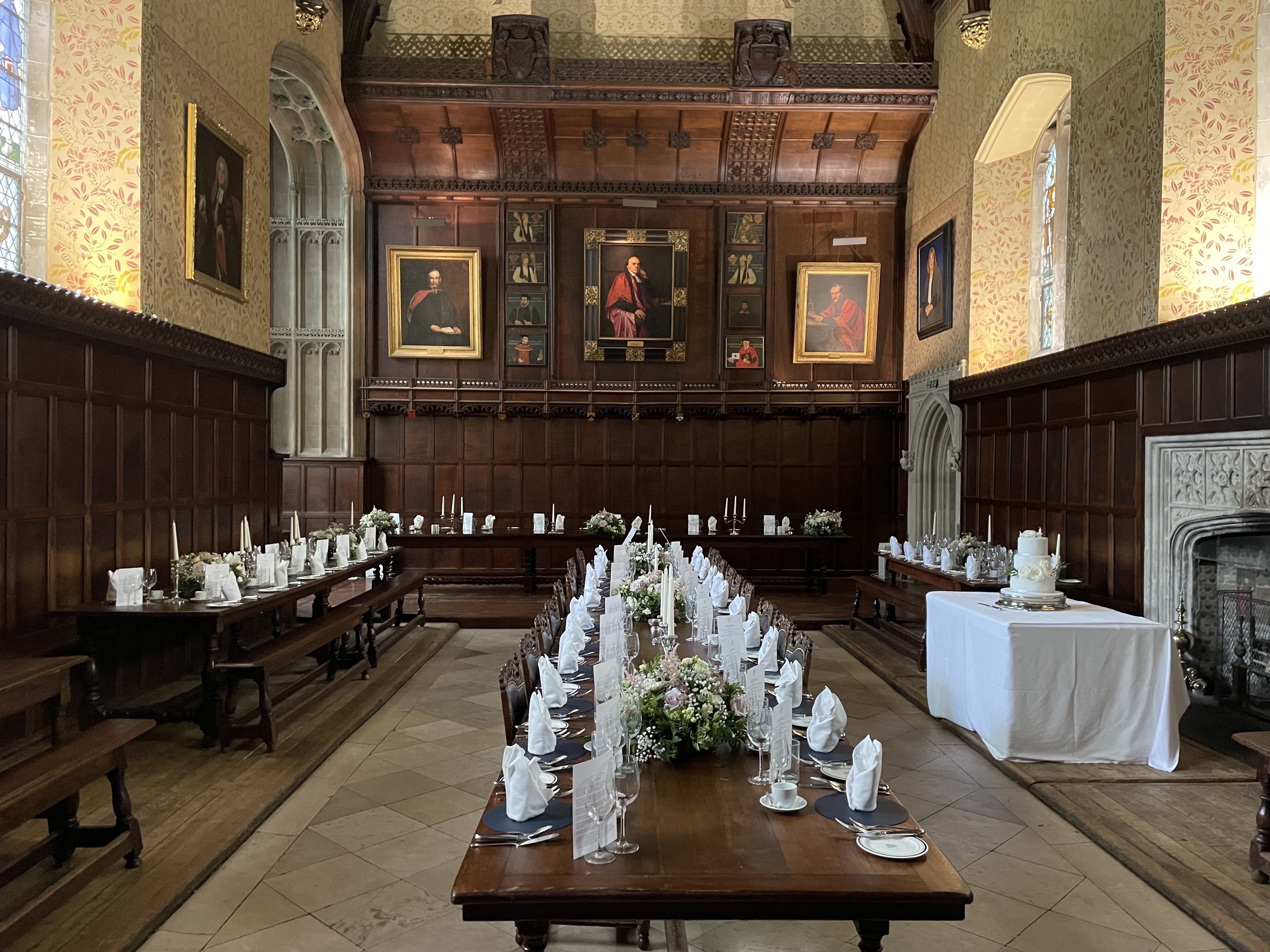
The whole weekend was a delightful mix of ceremony, catch up with a few old friends and meetings with a number of new acquaintances – both local and international – who were very interesting and easy to talk to.  They really helped to make the whole weekend event lovely.  The event generated some nostalgia too as the reception dinner was held in the main Peterhouse Dining Hall where, about 50 years ago, I ate college meals every day.  I didn’t appreciate the history or the grandeur of the college buildings half as much when I was living there as I did during this fleeting visit.

Peterhouse Main (Dining) Hall

One other prompt for a less welcome bit of recollection was that Jane, and a few others at the wedding, contracted Covid there.  Fortunately, I have avoided it again but it was a reminder that the pandemic was not long ago and that damned virus is still very much around.

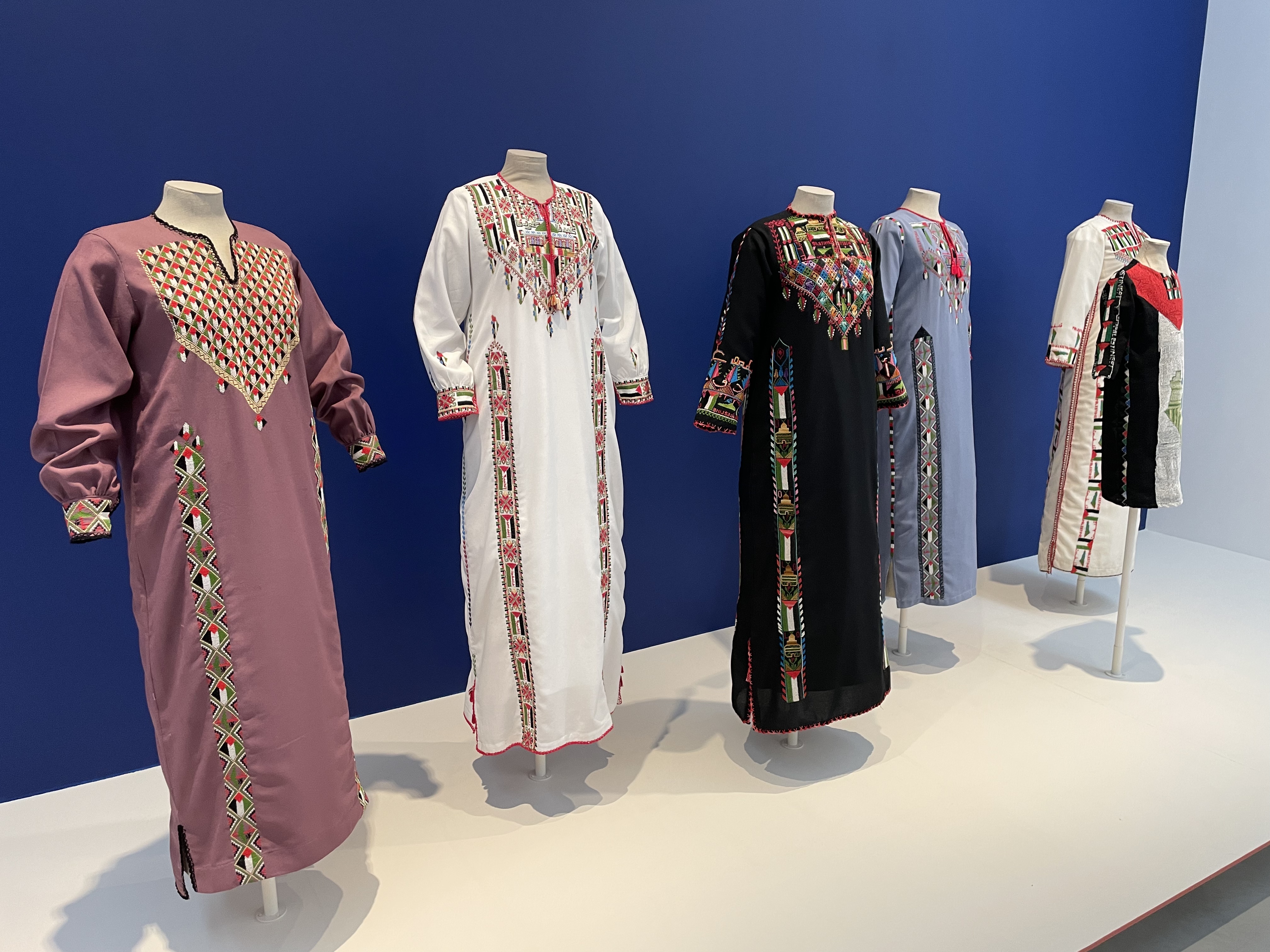
During our stay in and around Cambridge, Jane and I went to Kettle’s Yard to see an exhibition of Palestinian embroidery over the last century that Jane had read about.  Even someone like me with no real understanding of the intricacies of embroidery could appreciate the delightful patterns and muted colours of the clothing on display in the first room of everyday women’s wear. 

Palestinian Embroidery At Kettles Yard; Everyday Wear In The 1920’s

The exhibition went on to show more formal and more ornate wear and the way each local area had its distinctive styles and motifs.  The exhibition then tracked the changes in Palestine embroidery brought about by history since the Second World War.

Palestinian Embroidery: Formal Wear (1921)

First the United Nations Partition Plan for Palestine in 1947, the subsequent displacement of about 70,000 Palestinians, and then the 1967 Six-Day War all disrupted and then broke much of the cottage industry of embroidery crafting in the Palestinian villages.  Enforced movement of Palestinians mixed up the local pockets of unique styling.  Materials such as silks from France became unattainable and were replaced by cheaper products.  Small handicraft workshops were often replaced by factories.  The end results, outside of a few traditional, small-scale operations, became bland and almost garish.

Finally, following and during the Intifadas of the 1980s and 1990s the embroidery became a means of protest.  The exhibition showed how the defiance of the Palestinians led them to incorporate the Palestinian flag into their embroidery designs as a symbol of resistance. 

The exhibition was an interesting mix of video and clothing, and of art and history.

Palestinian Dress Post Intifada With The Palestinian Flag Embedded In Designs

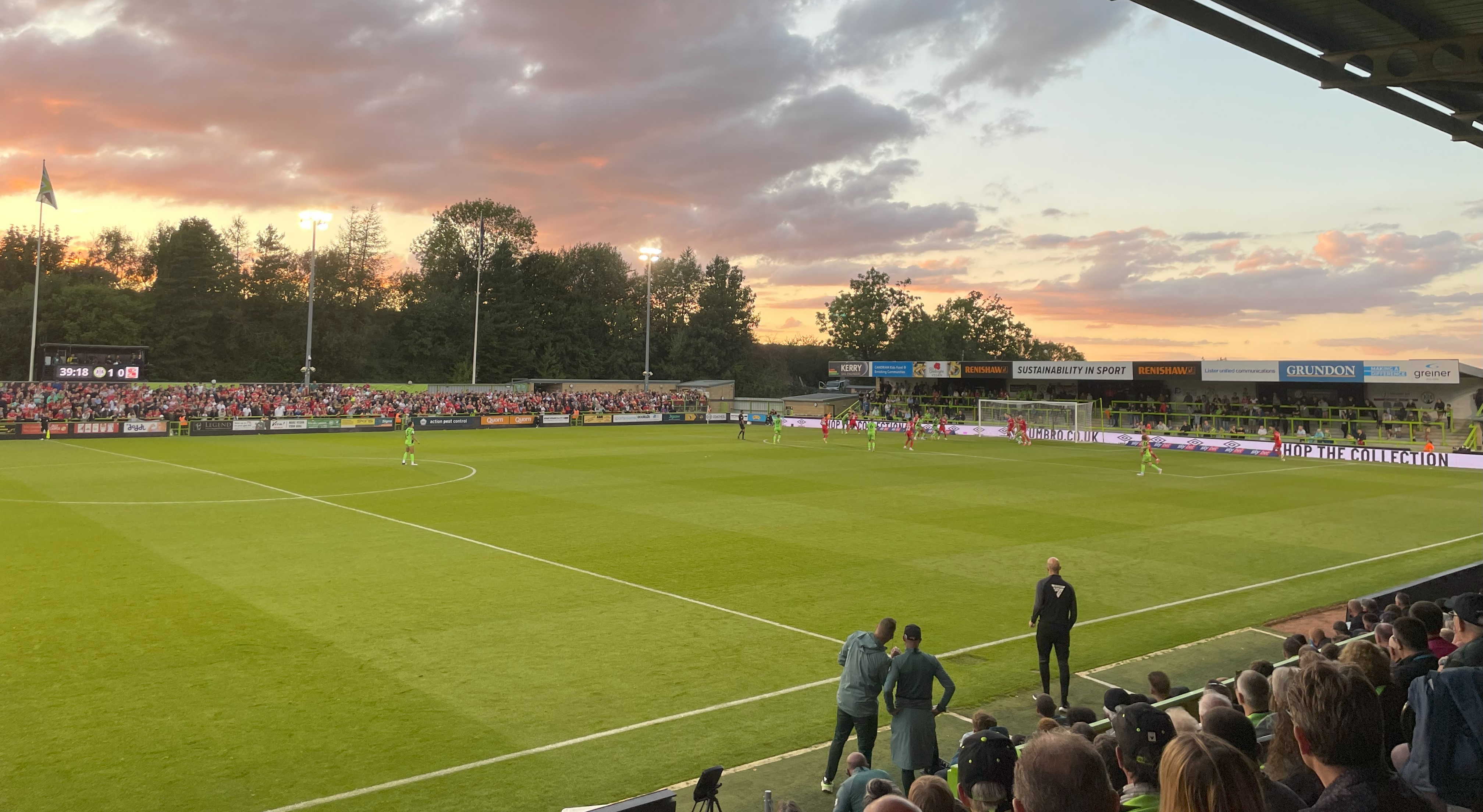
Back at home the advent of the new football season, together with the Women’s Football World Cup, is starting to take up time at Forest Green Rovers’ football stadium and in front of the telly. 

Evening Football At Forest Green Rovers – We Lost (Again) But It Was A Nice Sunset

Also, we have entertained Eldest Son, his wife and First Grandchild (FG) with a number of relatives who were keen to meet the little one.  I had a great time with FG and my phone is full of video of him that Jane and I watch on repeat.  Now we are looking forward to entertaining Youngest Son, his partner and some of their (and our) friends from their time in Australia.  Then we are off to Ireland for another wedding.  For a quietly retired chap like me, summer may feel a bit fragmented but it also feels pretty full!

Home From Home

I retired about 30 months ago.  I moved back to the family home in Gloucestershire and gave up my London flat to Eldest Son (ES).  The flat is centrally and very conveniently located in the Barbican but it was, during my 18 years of mid-week living there, never more than a bolt-hole for temporary occupancy.  It rarely received any love and attention and, if I am honest, was only subjected to a proper cleanse when Long-Suffering Wife (LSW) occasionally came to visit.  (Then, I’d ‘tidy’ beforehand to create a tolerable impression, and LSW would tut at my inadequacy and grudgingly do a more thorough ‘clean’).

ES continues to live in the flat and now shares it with his girlfriend.  They were in Paris last week celebrating their birthdays.  That gave LSW and I the opportunity to pop up to London to see Middle Son, Youngest Son and some old friends, and to visit a few exhibitions.  We had a great time.

What made the trip especially nice was that our stay was anchored by a very comfortable stay in the Barbican flat.  We were able to see how it has been turned into a spotless, house-plant friendly, warm (in all senses of the word) home by ES and, especially, his girlfriend.  It’s great to see the flat still being put to such good use.

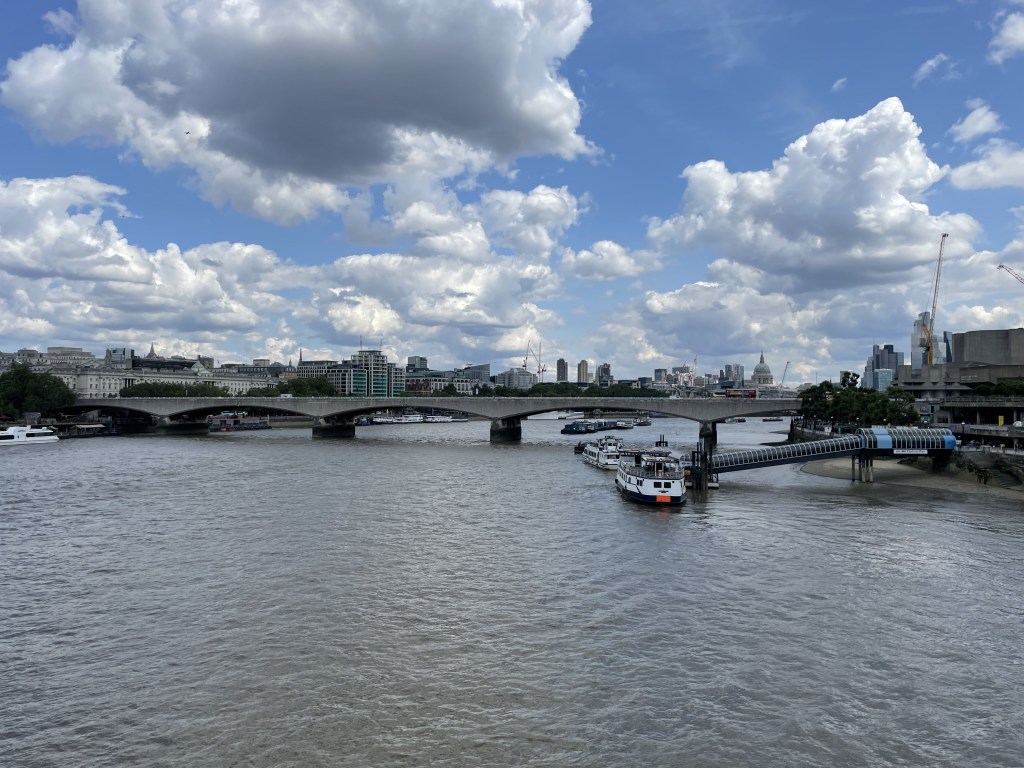
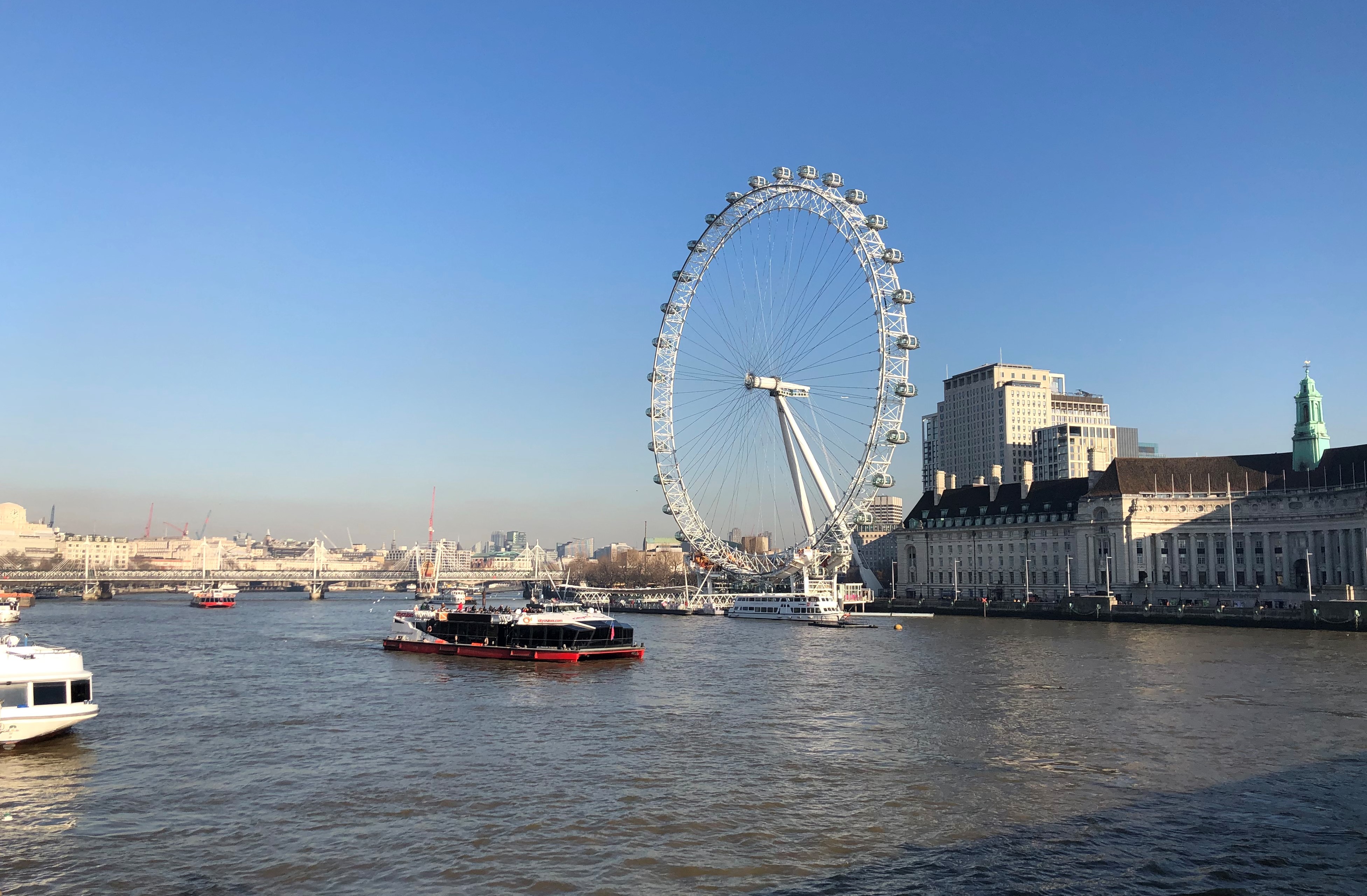
Our London trip was also helped by lovely clear blue skies.  All cities look better in sunny weather but the views of the Thames and its surrounds are especially enhanced by brilliant winter sun.

Bright London Day From Westminster Bridge

Bright London Day From Westminster Bridge

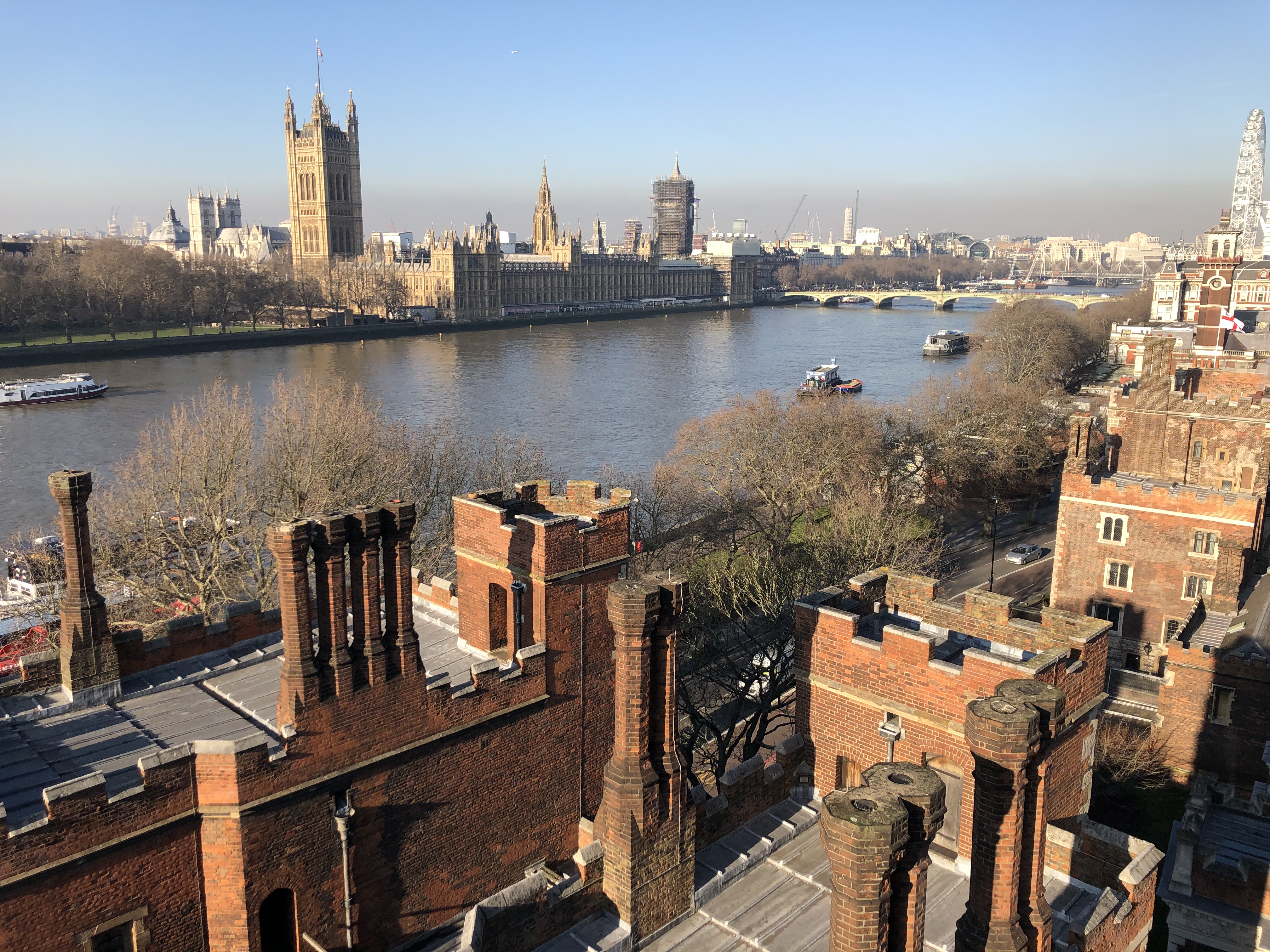
LSW and I visited the Garden Museum in Lambeth.  The tower was open and, having puffed up a long, steep, spiral, stone staircase, we came out onto a lovely view of Lambeth Palace, the Houses of Parliament, the City and, of course, the winding Thames.

View From The Tower Of The Garden Museum, Lambeth

Part of the Panoramic View From The Tower Of The Garden Museum, Lambeth

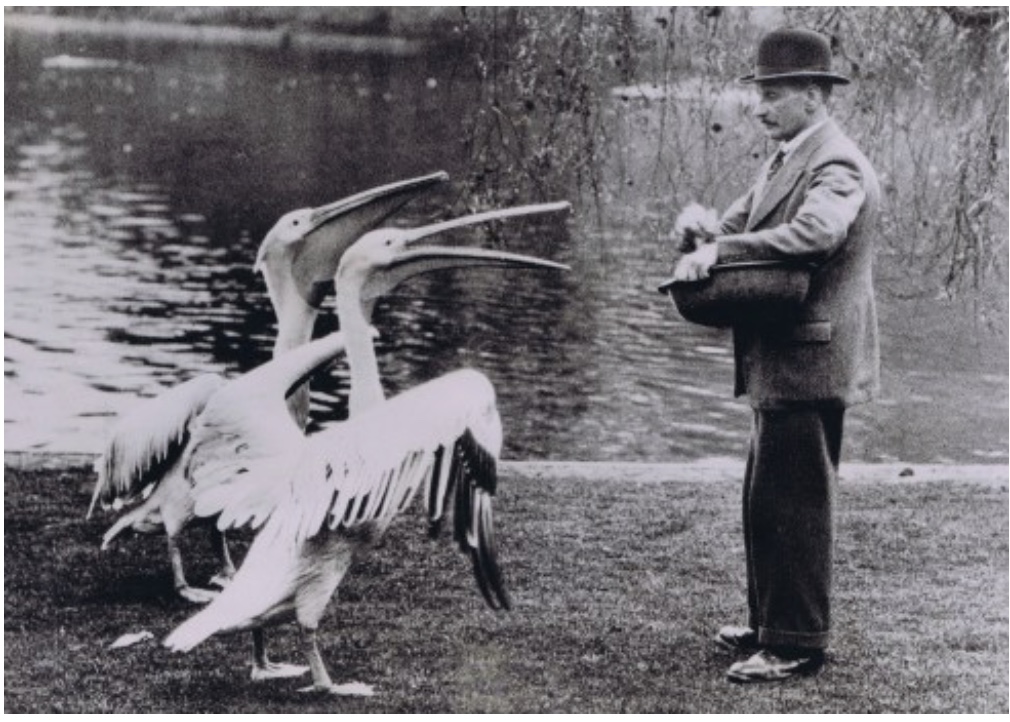
We also saw the latest exhibition in the museum.  This was a small but concisely curated history of London’s Royal Parks.  It covered their origins as royal hunting grounds in the 15th century and their gradual opening up to increasing proportions of the public during recent centuries.  It covered their use as recreation spaces (and how such recreation has changed over time), places of protest and places for celebration.  Perhaps most surprising was the section on how the parks have been used for military training including trench warfare during the First World War.

Feeding Pelicans In St James's Park

Feeding Pelicans In St James’s Park

We walked along the Embankment south of the Thames to Tate Modern; a really refreshing walk in the sun.  While LSW went off on a shopping assignment, I wandered through parts of Tate Modern and took in the Dora Maar exhibition there.  I only knew of Maar as one of Picasso’s many muses but the exhibition shows her to be a successful and diverse artist in her own right.

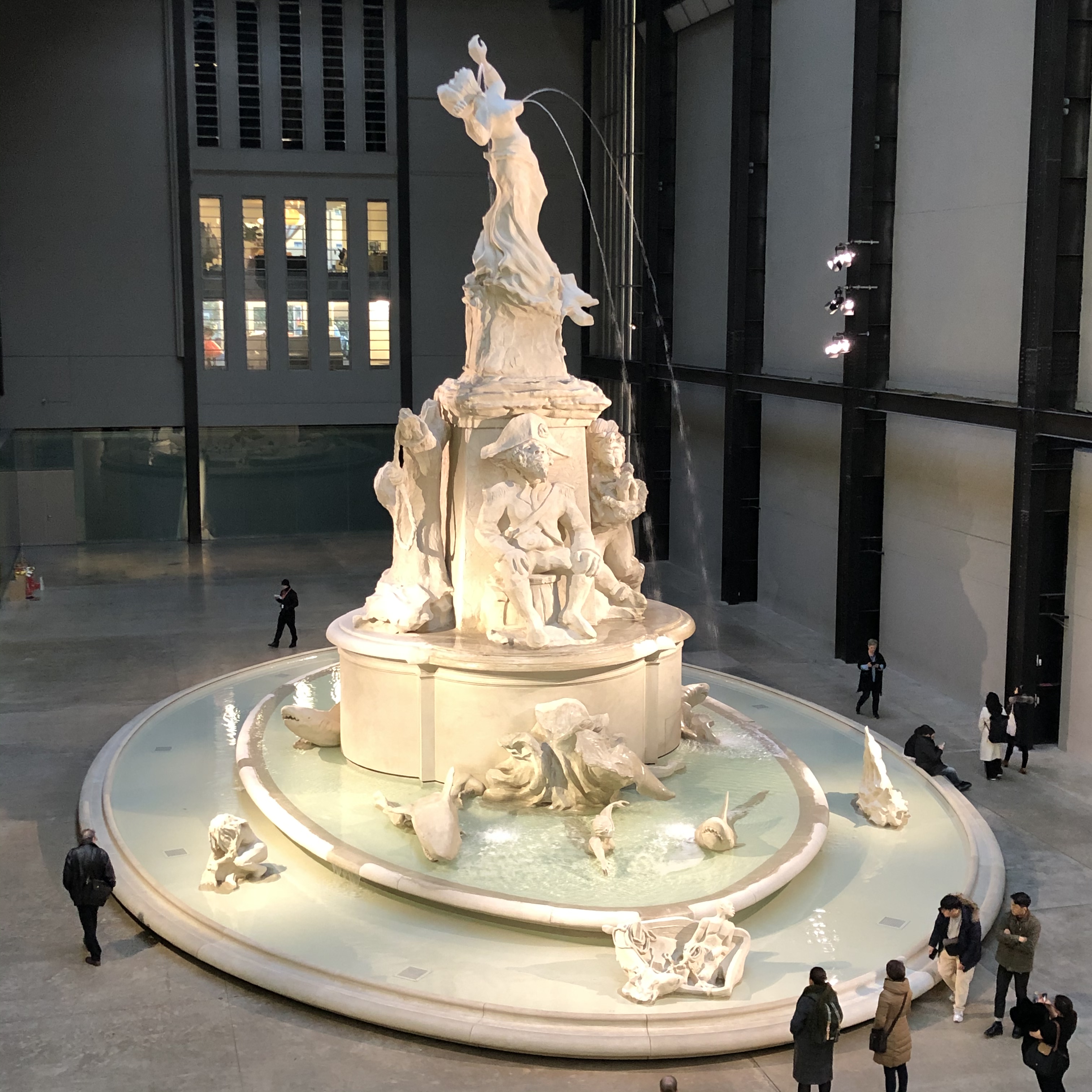
Kara Walker's Huge Fountain In The Turbine Room At The Tate Modern

Kara Walker’s Huge Fountain In The Turbine Room At The Tate Modern (Inspired By The History Of Slavery)

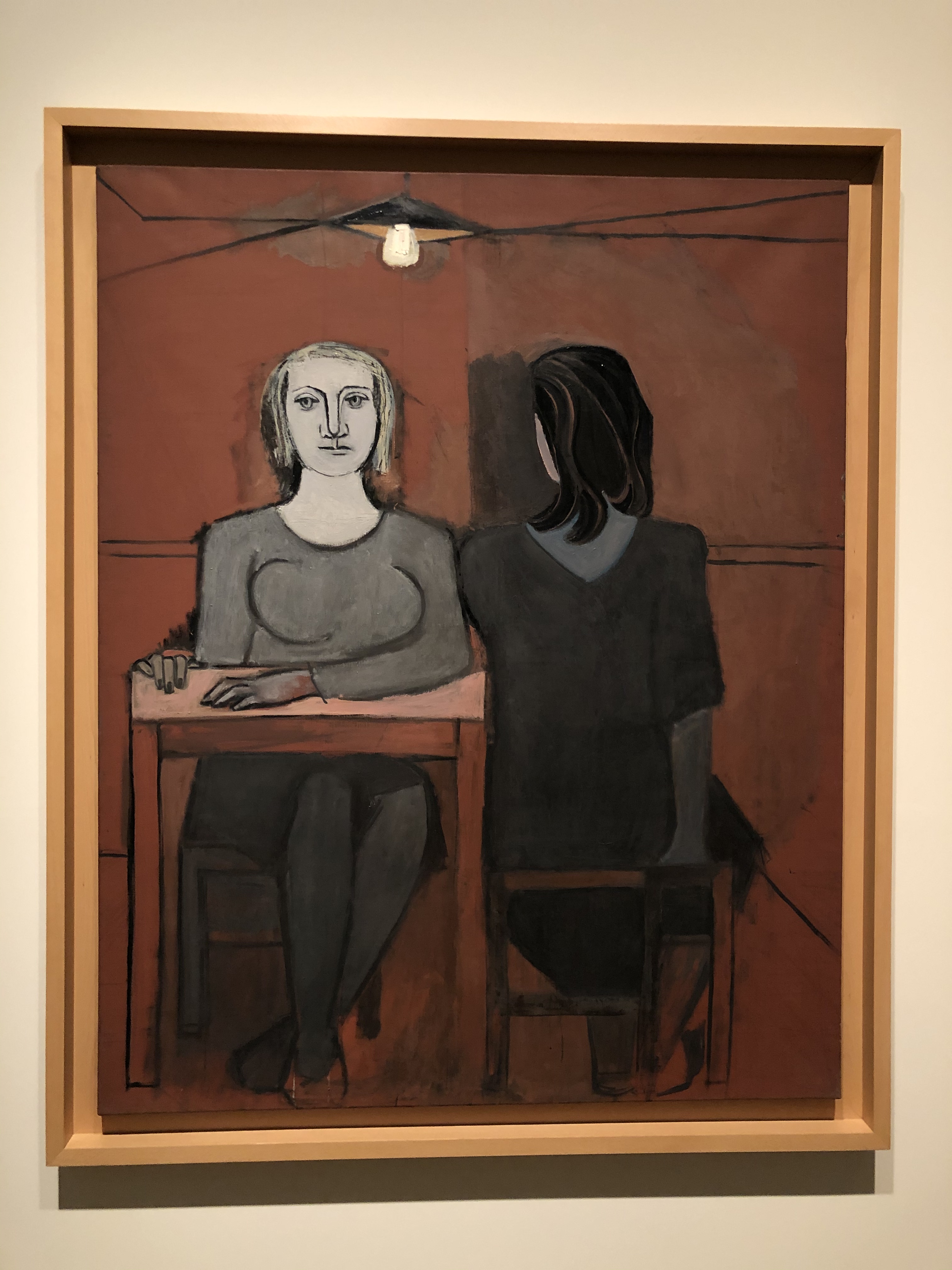
Maar’s early fashion photos are clearly impressive even to my untrained eye.  I was less satisfied with her surrealist photography, although it was interesting to see her attempts to meld the photographic capture of reality with the weirdness and spontaneity of the surrealist movement she became part of.  More interesting, were her later paintings.  One of these captured brilliantly, I thought, the inevitable tension of the period when she was living with Picasso under the same roof as his wife!

The Conversation By Dora Maar

The Conversation By Dora Maar (1937) – A Tense Moment Between Mistress and Wife?

For me, the best exhibition LSW and I visited during our stay was the Anselm Keifer exhibition at the White Cube Gallery in Bermondsey which had astonished me back in late November.  I loved the way the enormous art worked for me when standing right back from it and when right up close.  The exhibition was almost as impactful this time as last.  I will remember it for a long time.

Anselm Kiefer Painting at The White Cube Gallery - Standing Back And Up Close

Anselm Kiefer Work at The White Cube Gallery – Standing Back And Up Close

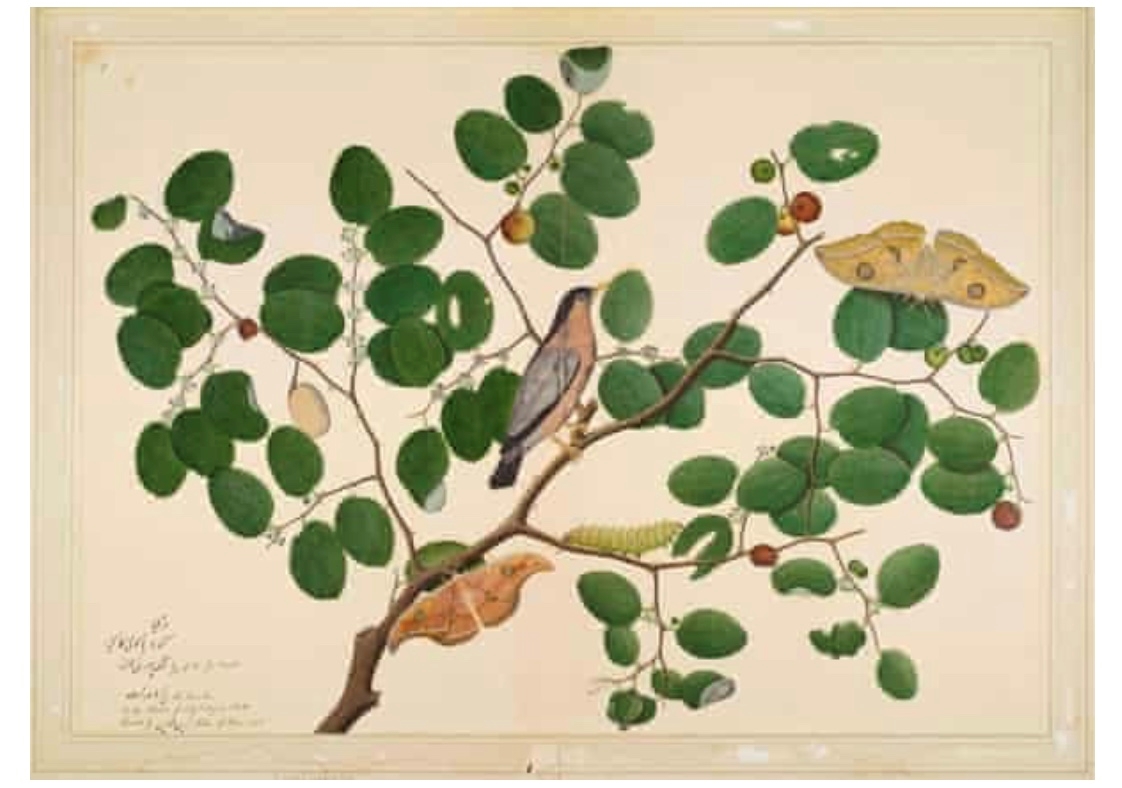
However, almost as good was the exhibition of colonial Indian master artists’ work at the Wallace Collection.  The art was commissioned by leaders of the East India Company at the height of colonial Britain to capture the fauna, flora and culture of paintings of India.

Indian Flora And Fauna By Shaikh Zain ud-Din (1780)

Indian Flora And Fauna By Shaikh Zain ud-Din (1780)

The exhibition showed how the Indian artists cleverly and subtly chafed against their subordinate position by portraying their masters in uncomfortable or unusual positions.  For example, a grimacing British officer was shown lying ill at ease in a coffin-like box being carried by beautifully painted natives.  Elsewhere, a daughter of an officer was portrayed on a wonderfully rendered horse surrounded by clearly proud, indigenous stable hands, but with her face hidden from view by her bonnet.

Best of all in this exhibition were the wonderfully detailed and beautifully painted pictures of the animals and plants of India.  The animals had every hair of fur meticulously drawn and the pictures of butterflies and birds in branches of trees were cleverly structured and strikingly laid out.  I love the Wallace Collection and this was another very good exhibition there.

I’m in London again next month and am looking forward to more cultural exploits then, although ES will be in town this time and so the flat’s sofa bed will have to suffice for me.