Edinburgh: Graveyards and Galleries

I have always been interested in visiting old graveyards.  They are generally quiet places for reflection, a secluded refuge for wildlife, and also a rather oblique representation of history and of lives lived.  For me, those characteristics more than offset any feeling of sadness or mournfulness derived from their function. 

Edinburgh has a number of graveyards in or near its centre.  While Jane was resting her broken arm, I took the opportunity to visit a few. 
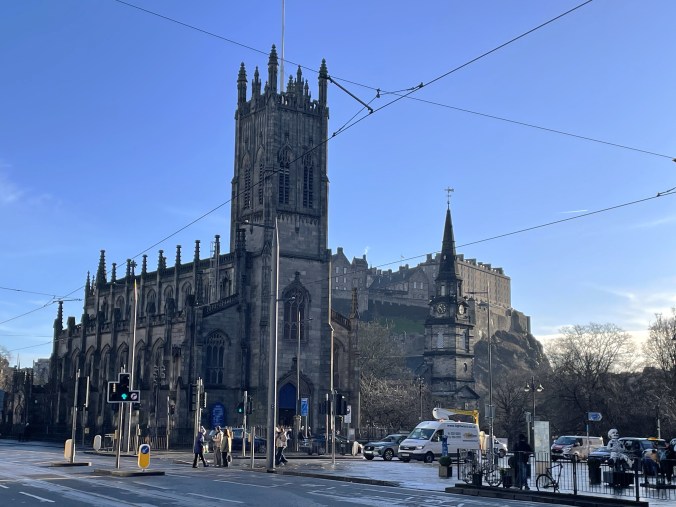
St John’s and St Cuthbert’s Churches At The End Of Princes Street

At the west end of Princes Street is Saint Cuthbert’s Churchyard. It seemed to be the nearest cemetery to our holiday flat.  This is a very old graveyard with burials believed to have dated from the 14th century and probably much earlier.  It is one of a few graveyards in Edinburgh that has a watchtower, built in the 19th century, for guards aiming to prevent bodysnatching for the purposes of medical science.
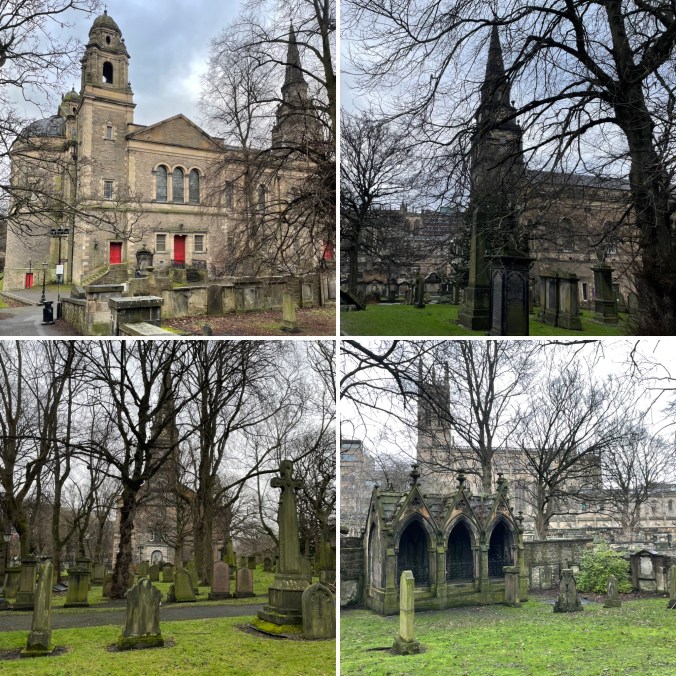
St Cuthbert’s Churchyard Between St Cuthbert’s And St John’s Churches

Another such watch tower is in New Calton Burial Ground.  This has great views over Holyrood, Arthurs Seat and the government buildings and alleys off Canongate.  Like many of the graveyards I visited, it has a map to show the location of graves of the Edinburgh ‘great and good’.  On the day of my visit, the northern end was full of birdsong.
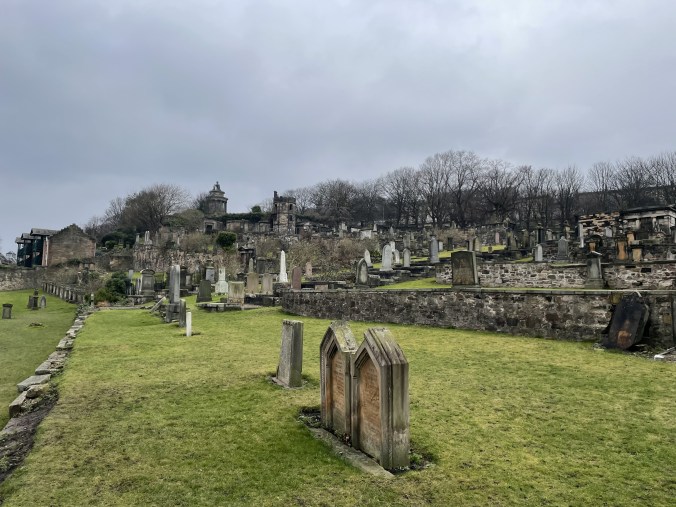
New Carlton Burial Ground Including Its Watchtower
View From Near The New Carlton Burial Ground – Canongate Kirk, Salisbury Crags and Arthurs Seat

New Carlton Burial Ground was overspill from the nearby Old Calton Burial Ground which I have visited before and which has memorials to a number of notable Scots, including famous radicals of whom some were deported to Australia for their troubles. 
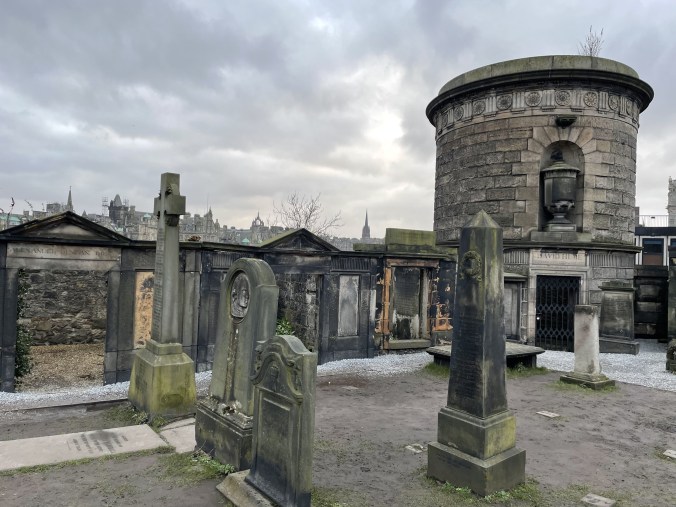
Old Carlton Cemetery

In Canongate is Canongate Kirkyard.  The Kirk and its Cemetery which was created when decreed that the inhabitants of the Canongate would no longer be allowed to worship at Holyrood Abbey in 1687.  It is the resting place of Adam Smith, the famous Scottish philosopher and economist. 
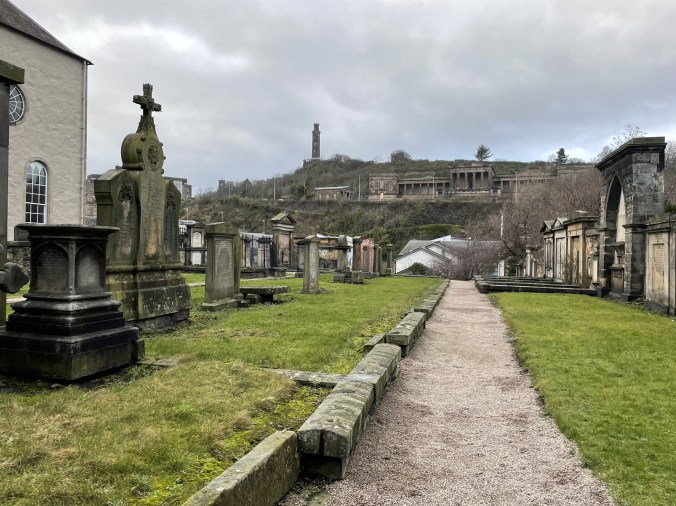
View From Canongate Kirkyard – Carlton Hill In The Background

This cemetery has views back to Carlton Hill and is a peaceful haven just yards away from the many tourists – even at this time of year – strolling between Holyrood and The Royal Mile.  I too, wandered down to Holyrood Palace but, impressive as it looks from outside, I demurred from paying £25 to enter the grounds and house; maybe I will on a future rainy, rather than just grey, day in the City.
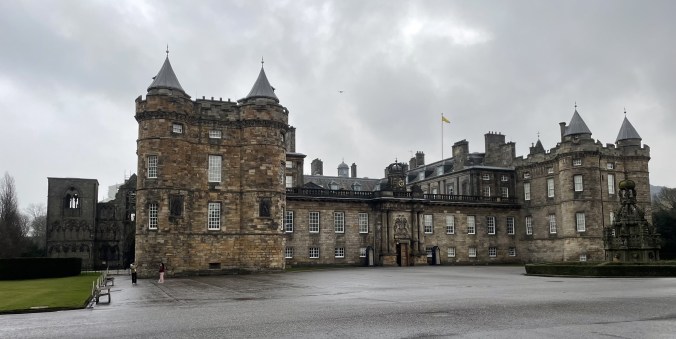
Holyrood Palace On A Grey Edinburgh Day

Unlike the other graveyards I visited, Greyfriars Kirkyard was crowded with tourists eager to follow up on apparent connections to Harry Potter characters and the famous story of Greyfriars Bobby, a terrier who sat by and guarded the grave of his owner (a nightwatchmen at the cemetery) for 14 years, without a break, until he too died.  

The more interesting aspects for me were the scale and disposition of the mausoleums in Greyfriars Kirk.  These proliferated from the 1660s when burial in Greyfriars Church was prohibited.  Families of the dead apparently compensated for not being allowed inside by erecting very large monuments outside.  Some of these directly attach to the houses around the graveyard (see below).
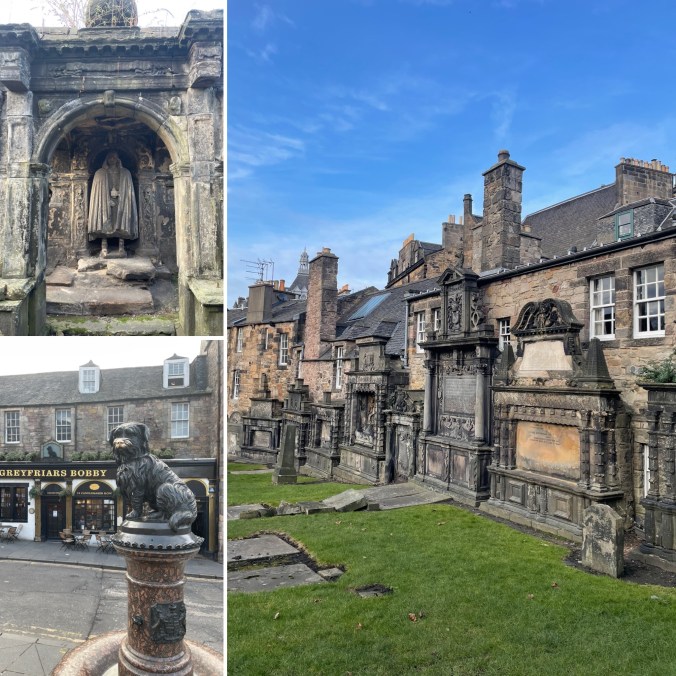
Greyfriars Kirkyard and The Greyfriars Bobby Monument

Further afield, I stumbled across two other cemeteries.  Dean Cemetery, behind high walls and full of mature trees, was very quiet except for the birds.  The cemetery is attractive – if you like this sort of thing – but the grey skies gave the cemetery a rather melancholy air and I plan to return when the trees are in leaf and the atmosphere is brighter.
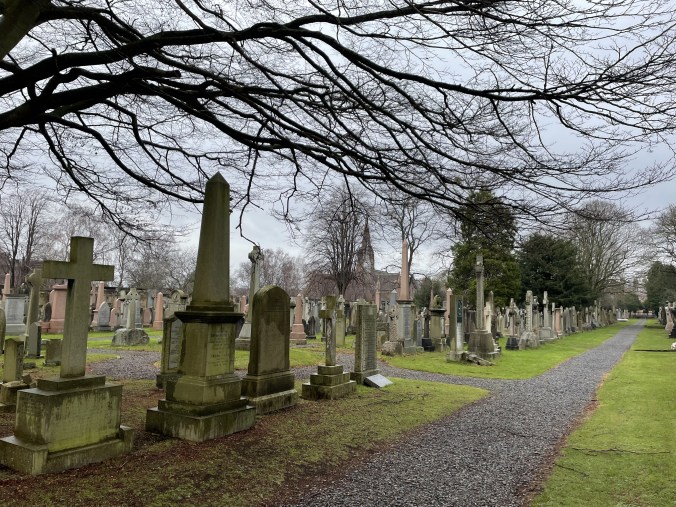
Dean Cemetery

Even prettier – perhaps helped by the blue skies overhead when I visited – was Grange Cemetery.  I found this during a rather random walk south of the centre of Edinburgh.  I noticed the imposing surrounding walls and found a way in.  Like Dean Cemetery it is in two halves.  Here however, the divide here is not a wall but a long array of catacombs that are halfway underground; an interesting dimension to the site.

The Grange Association do a great job of maintaining the cemetery and of documenting its history and its ‘residents’.  Thanks to that, I found the grave of Robin Cook who was one of my political heroes 20-25 years ago.  His gravestone has a nice epitaph referring to the Iraq war: ‘I may not have succeeded in halting the war but I did secure the right of Parliament to decide on war’.
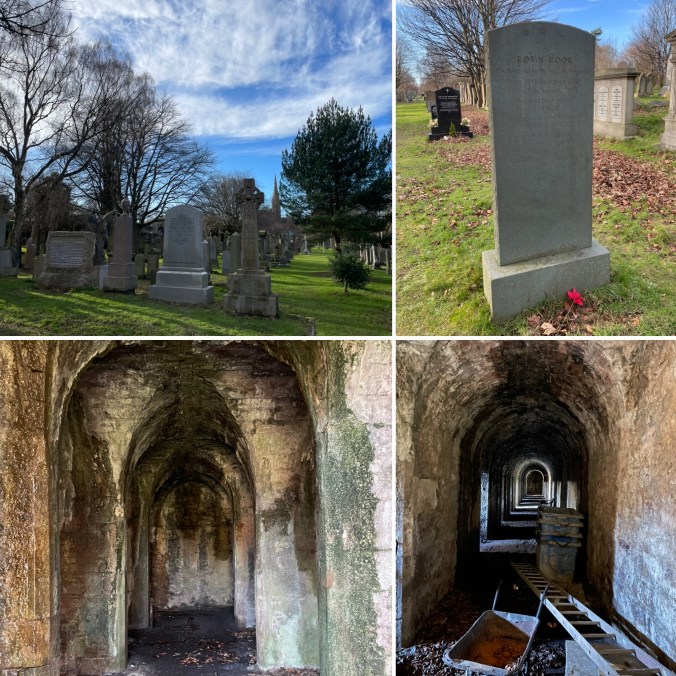
Grange Cemetery And Catacombs (With Robin Cook’s Gravestone Top Right)

In the last week of our Edinburgh stay, I returned to the National Gallery of Scotland to see the permanent collection and we also returned together to Dovecote Studios to see an really excellent exhibition presenting the Scottish Colourists.
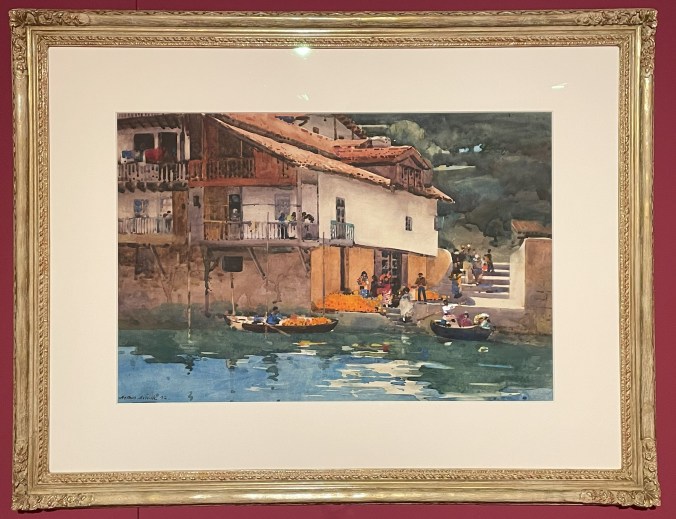
My Favourite Picture In The Scottish Colourists Exhibition At Dovecote Studios Exhibition – By Arthur Melville, A Forerunner and Mentor to the Colourists

The Scottish Colourists were a group of just four artists who were at their peak in terms of quality and influence in the art world in the first half of the 20th century.  Unlike Jane, I hadn’t heard of any of them as I entered the exhibition.  But interesting information about them was carefully presented and their influencers, and those they influenced, were summarised and then underlined with examples.  I loved the exhibition and felt I learnt a lot.
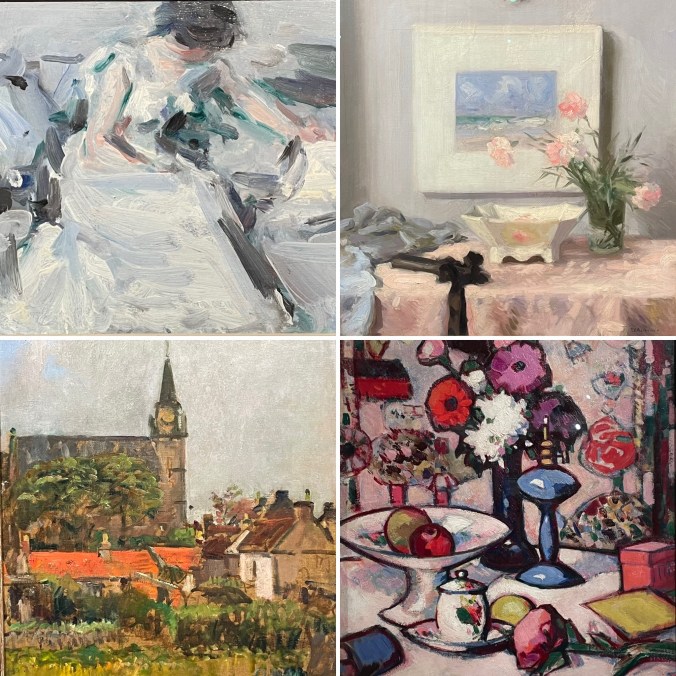
The Scottish Colourists: Works By (clockwise from top left) SJ Peploe, FCB Cadell, JD Fergusson And Leslie Hunter

Another interesting exhibition I saw was at the Talbot Rice Gallery.  The gallery is part of Edinburgh University and is within the wonderful buildings of Old College.  The art on show was at another end of the spectrum from that of the Scottish Colourists.  Let’s just say that the anti-woke brigade would not have approved.
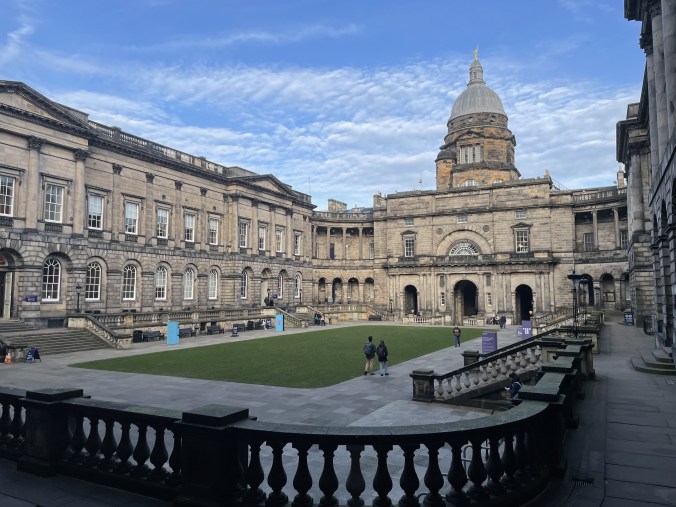
Old College, Edinburgh University

The first part was an exhibition of videos by Gabrielle Goliath relating to violence against women.  The videos were images of women describing their experiences but the words were truncated so that only the gaps between their words remained.  It was strangely powerful albeit with really just the one idea and the explanations of the videos were too high-falutin for me to absorb properly.

Much more aesthetically pleasing but equally, weirdly impactful was an exhibition of work by Guadalupe Maravilla, an child refugee and cancer survivor from El Salvador.  It’s hard to describe the work (see below) but the allusions to healing, trauma and displacement were fascinating.  All this was in a single, splendid room bedecked with hammocks for the ‘healing gods’; it was all very dramatic.
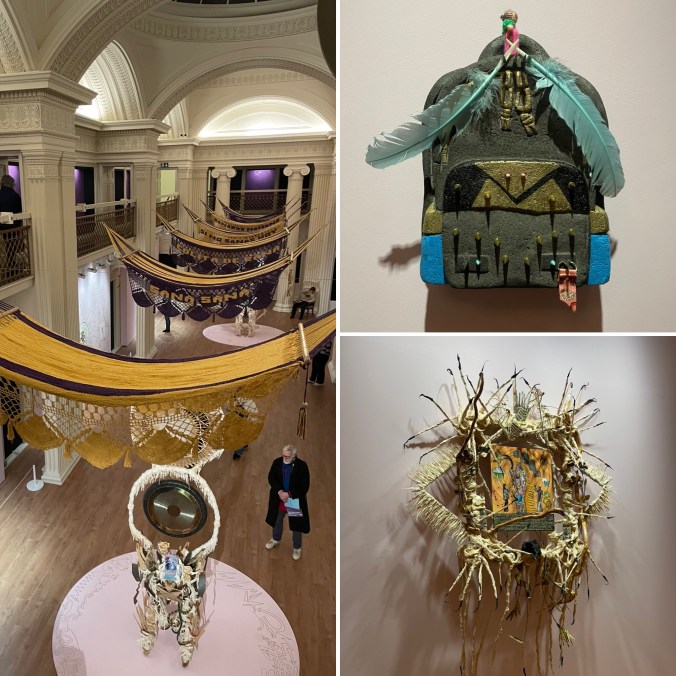
The Work Of Guadalupe Maravilla At The Talbot Rice Gallery, Edinburgh

Jane and I also visited a couple of the multitude of private galleries in Edinburgh.  One, the Open Eye Gallery, had some work by a friend of hers, Gail Turpin, who’s exhibition we visited last summer when we were in the city.  I liked her watercolours but was even more taken by a room showing paintings by James Fairgrieve and by a few ceramics by Rachel Wood.
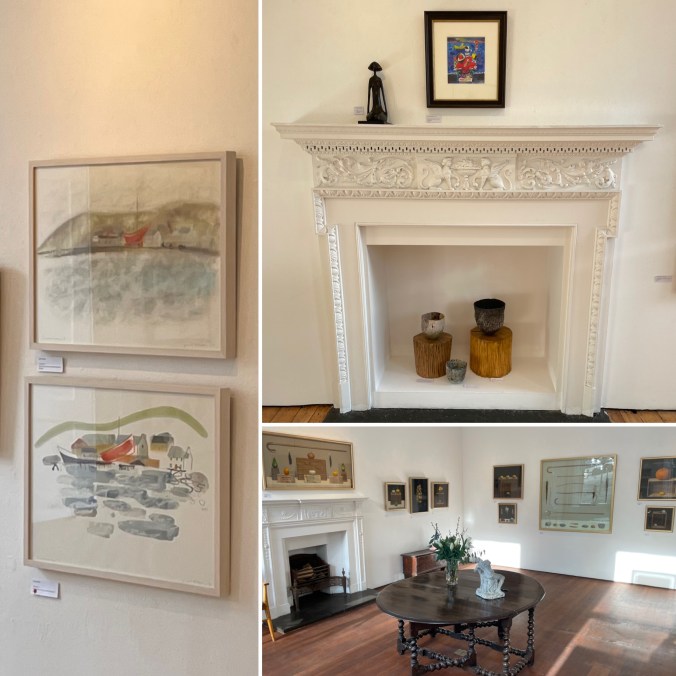
Inside The Open Eye Gallery, Edinburgh

The other was the oft-visited The Scottish Gallery just up from where Eldest Son lives.  As soon as I walked in my eyes fell on a couple of Joan Eardley paintings.  I’d never heard of her until we started to visit Edinburgh a few years ago, but love all her paintings of sea and fields that I have seen since. 

One Of Joan Eardley’s Paintings At The Scottish Gallery

We originally planned day trips to Glasgow and Fife whilst in Edinburgh.  In the absence of those, I was very happy visiting Edinburgh’s graveyards and galleries, and wandering through the wonderful Georgian architecture of central Edinburgh, where most streets seem to have a monument or imposing building at their end.  It’s a great city to visit, and, I think, to live in.
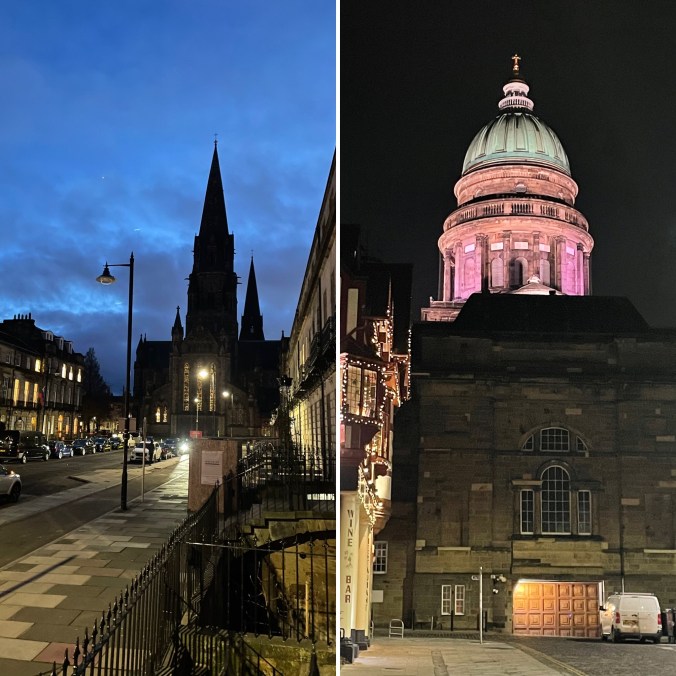
Buildings At Night At The End Of The Street Of Our Holiday Home, Edinburgh

Edinburgh Cathedrals and Outskirts

Before Jane broke her arm, we spent large parts of each day absorbing Edinburgh: the city and its sights.  We walked to the shops, to the cinema, to the bars and cafes we frequented and even, somewhat aimlessly, to just take in the Georgian architecture of New Town or to discover slightly unfamiliar areas on its margins.  We were priding ourselves on our step counts while taking in the ambiance of the city and seeing some new places.

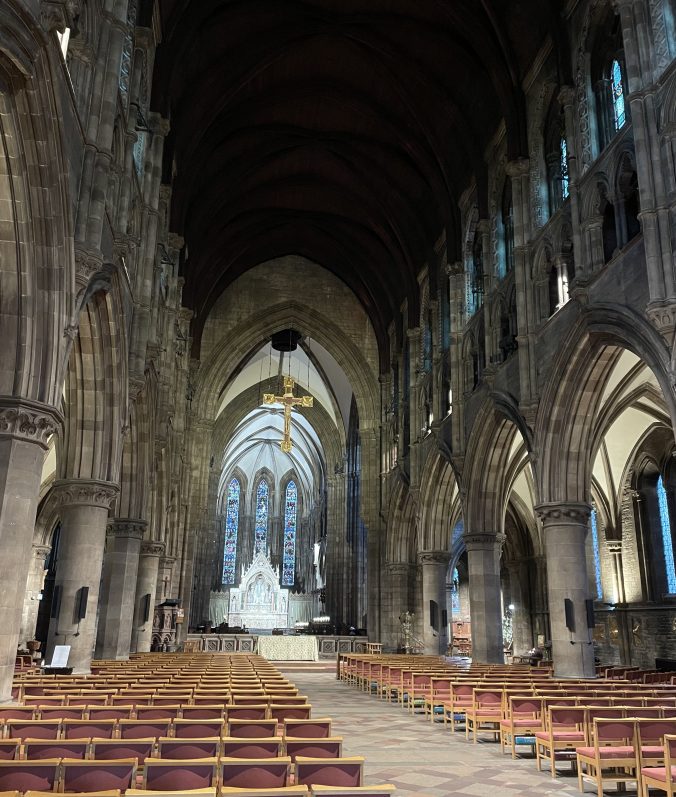
For example, for the first time in all our past Edinburgh visits we went to both the cathedrals in the city.  St Mary’s Episcopal Cathedral is actually just at the end of the street with our Airbnb.  It’s a relatively modern cathedral but it is in a gothic style.  It is large, imposing and pleasantly airy, and set in grassy grounds.

St Mary’s Cathedral, Edinburgh

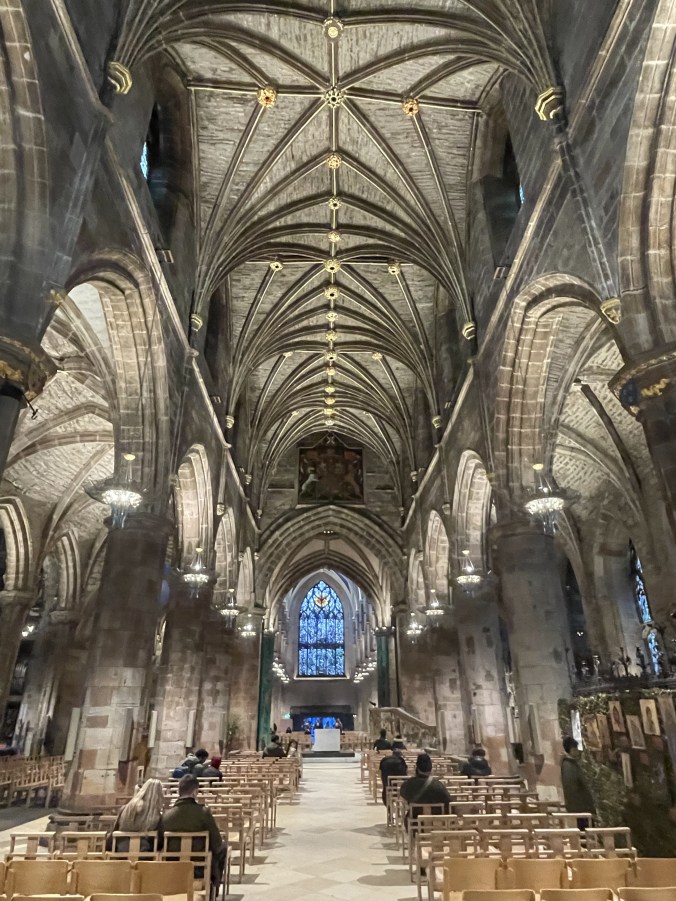
St Giles’ Cathedral is far older and is set right in the heart of Edinburgh next to the Royal Mile.  It has a lovely open spire and a pleasingly compact shape.  Inside, the layout is unusual with a central altar.  I liked the atmosphere, the scale of the place and the fact that it encouraged donations rather than imposed an entrance fee. 

St Giles’ Cathedral, Edinburgh

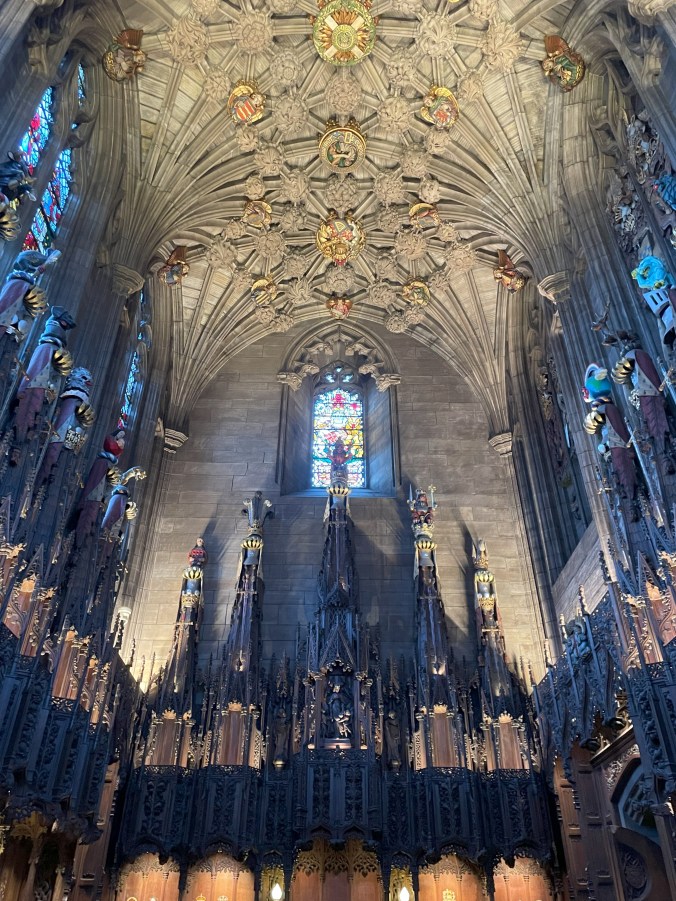
The Thistle Chapel that was bolted onto the side of the Cathedral in 1911, is a particularly interesting aspect of the building.  The chapel was designed and built in the neo-gothic arts and crafts style for the Knights of the Thistle, an order of chivalry associated with Scotland which dates back to 1687.  This order consists of sixteen members and a new member is only ‘invested’ when another dies.  Each member is represented around the chapel with statues or, more recently, plate crests.  I loved the cool, almost damp atmosphere in the chapel and some of the diverse stories of the past and current members.

The Thistle Chapel, St Giles’ Cathedral

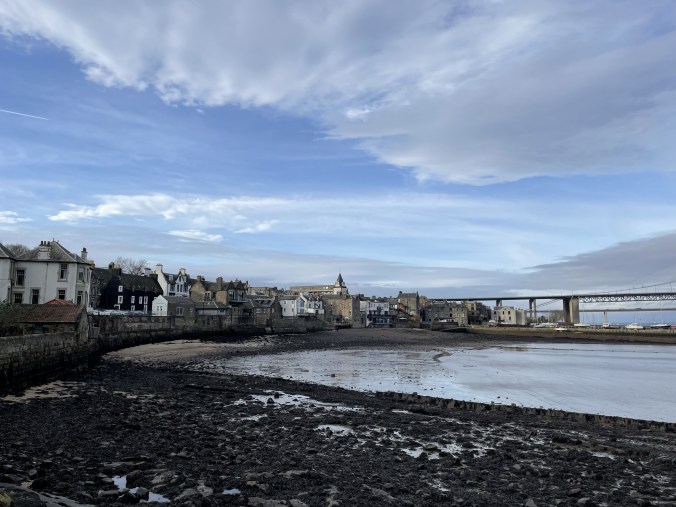
We also ventured outside of the City.  We visited South Queensferry which Jane had seen described somewhere as the UK’s second prettiest town.  It has a quaint high street and some interesting buildings and gardens nearby. 

South Queensferry Looking West From The Beach

However, I think the most remarkable thing about the town is the view across the Firth of Forth between the road and the rail bridge.  The rail bridge was originally built in 1890 and I’m not surprised that it has been voted Scotland’s greatest man-made wonder; it is a terrific, dramatic structure.

Road And Rail From South Queens Ferry; A Panorama

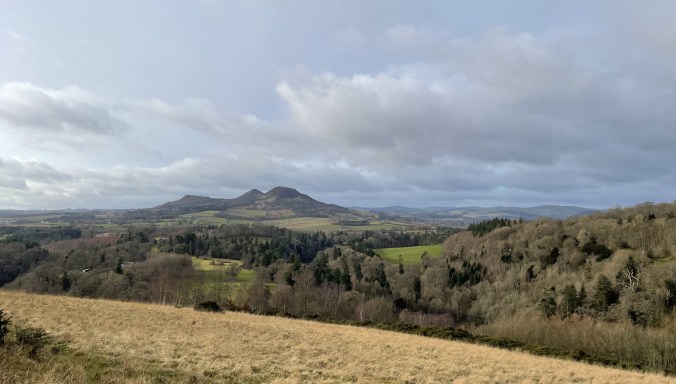
We spent a day in Border Country south of Edinburgh. The journey south through the Pentland Hills and past the Eildon Hills to Melrose was very attractive.

Above Melrose

Melrose is a pretty town with a number of tourist attractions (mainly closed for the winter).  The Abbey on the town outskirts looked great in the sunny weather.  However, it was clear that it is undergoing significant renovation and repair so we didn’t venture into its grounds.  Instead we simply strolled around the town for a while and then set off to see nearby Dryburgh Abbey.

Melrose Abbey Undergoing Repair

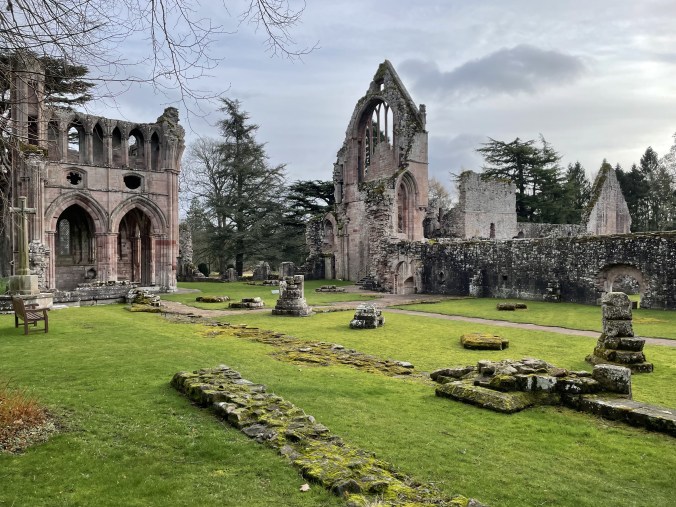
I vaguely recall visiting Dryburgh Abbey when I was a teenager.  It has changed a lot less than me since then but Historic Scotland have, I suspect, increased the information available around the site.  This did illuminate what it must have been like to be a Premonstratensian monk in the 12th century.  Apart from the 2am nocturnal mass, the vow of silence and the bitter cold, it didn’t look like being such a bad life! 

Dryburgh Abbey

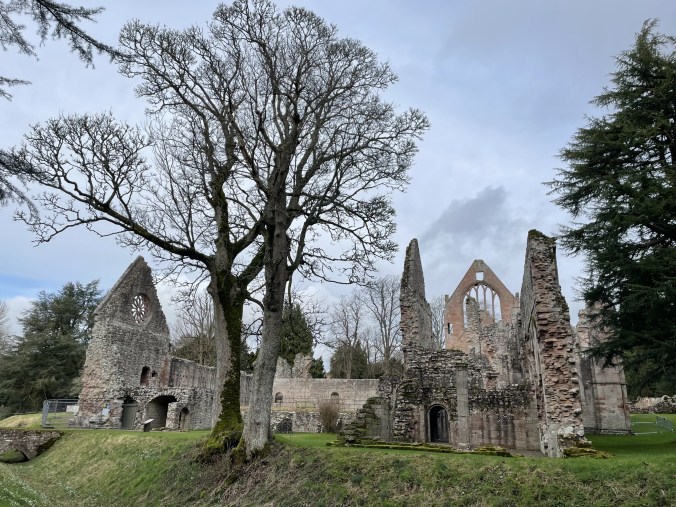
The abbey is now a lovely ruin surrounded by very mature trees and well-kept grassland leading down to the River Tweed.  Sir Walter Scott is buried amongst the ruins.  We were almost the only visitors at the time and the Abbey and its environs were peaceful and relaxing to walk around.

Dryburgh Abbey

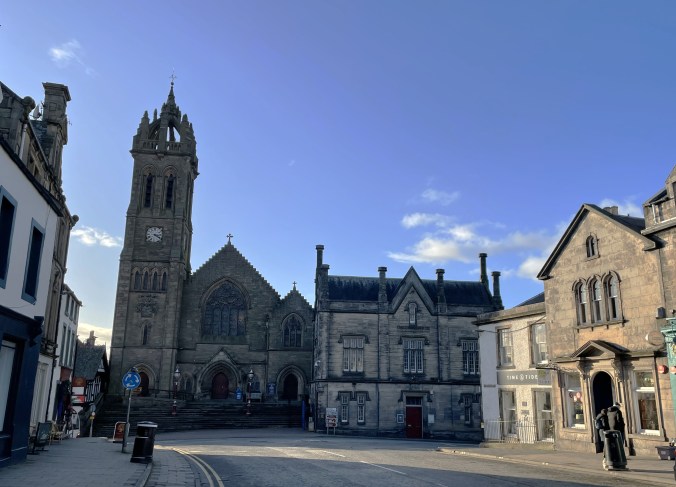
We drove on to Selkirk and then Peebles.  We started on roads along the sparkling River Tweed but were diverted, due to bridge repairs, onto a hillside route.  I was surprised at how wild the landscape is around Peebles and, given that we were in no rush, the diversion proved to be a welcome one. 

We found a relatively fast electric car charger on the edge on Peebles town centre and walked into the town.  We took on board cake and coffee at The Milkman and wandered up the high street of what was a spa town.  It was all very relaxing and pleasant, and, all the while, reminding me of childhood holidays with my parents in the Tweed Valley.

Peebles

We headed home chattering about our impending day of baby-sitting First Grandchild the next day, unaware, of course, that subsequent events would prevent that, or further big trips before we return home.  At least we managed to see some Scottish countryside and we can comfort ourselves with the knowledge that it will be there still when we return in the future.

A Different Way In Edinburgh

We are booked for a month into a very comfortable, nicely warm and well-furnished Airbnb in central Edinburgh that has a view of the Castle.  Our idea has been to try a model for visiting Edinburgh that is different from our usual 3-4 night stays with Eldest Son, wife and First Grandchild.  In part it is just an extended holiday, but in part a test as to how we might find living more permanently in this wonderful city.

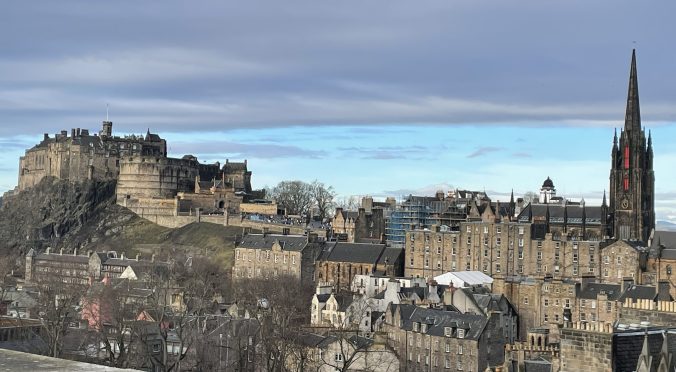
Sunrise Over Edinburgh Castle From Our Airbnb

The first two weeks have been extremely successful – until a bit of a disaster yesterday; more on that later. 

We have already visited lots of Edinburgh sights – the museums, cathedrals, galleries and exhibitions – got into the hinterlands of Edinburgh and, of course, done a bit of grandchild entertainment.  Were lucky enough to have a double dose of grandchildren when Middle Son, his fiancée and Second Grandchild visited us on our second weekend.  That visit, plus the nature of the intermittent contact with First Grandchild over a longer period than usual, has created a bit of a feel of living here rather than just holidaying here. 

Edinburgh From The Top Of The National Museum of Scotland

No doubt that feeling would have been further enhanced by Youngest Son and his wife being able to join us as planned on our first weekend in Edinburgh.  Unfortunately, Storm Eowyn put paid to that.  Their flight was cancelled and Edinburgh was all but shut down during the worst if the storm.  Even at the end of the storm, the gusts of wind were strong enough to knock me off my feet!

Because of, first, Storm Eowyn, and then a visit from Middle Son and family, we have tended to eat in rather than out.  However, we have sampled a couple of our favourite bars and a few cafés, and we love the local pub (Teuchters).  Anyway, there are two more weeks for trying some more recommended restaurants. 

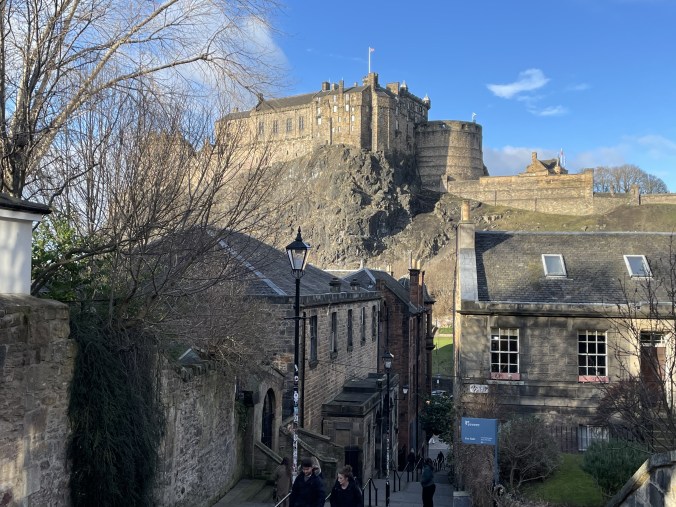
Another View of Edinburgh Castle From Flodden Wall

Cooking in a holiday home is not new to us but doing so most evenings over a few weeks is another way of generating a feeling of being ‘home from home’ rather than just being on holiday.  Next week, we are even entertaining Eldest Son’s parents in law.  That will be a further novelty but a nice reflection of how things might be if we moved to Edinburgh more permanently.

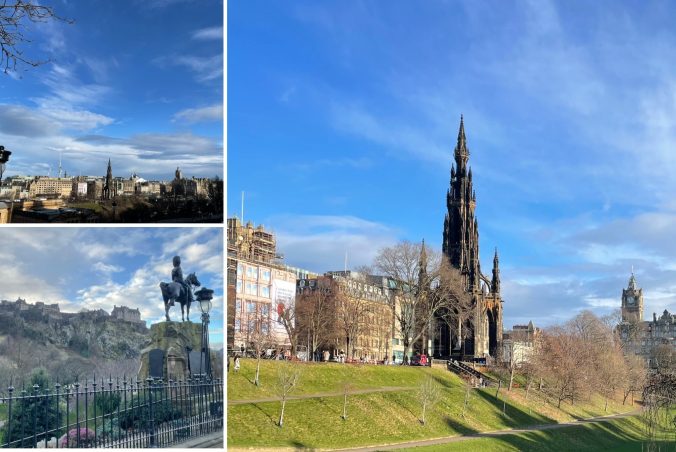
Edinburgh Views (Great Weather!)

During our days here, we have been very active.  We have, of course, sampled the normal delights of the Royal Botanic Garden the Scottish National Portrait Gallery, the Modern Art Gallery of Scotland the Scottish National Gallery and the National Museum of Scotland.  Edinburgh is a capital and has public buildings, exhibitions and collections to match that status.  There were new exhibitions in all of the galleries and all were a pleasure to visit – although it was sad to see the Storm Eowyn damage in the Botanic Gardens.

Storm Damage – One Of The Largest Cedars In The Royal Botanic Gardens Has Gone

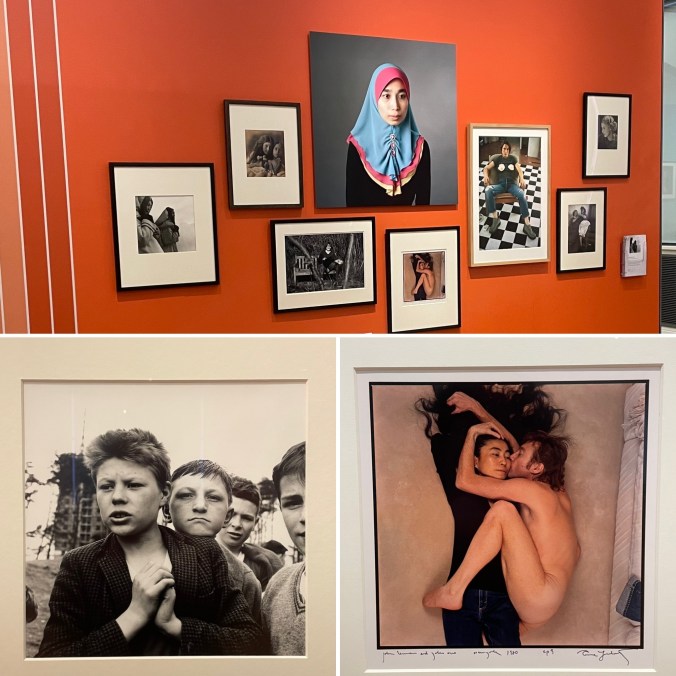
The Scottish National Gallery is celebrating 40 years of its photography collection and curation.  Photography is not my favourite art form but it was good to see some pictures by some famous photographers (such as Robert Mapplethorpe, Annie Liebovitz, and Lee Miller) among the often gritty, local Scottish fare.

40 Year Celebration Of Scottish Photography Collection – Including The Iconic Lennon/Ono Photo

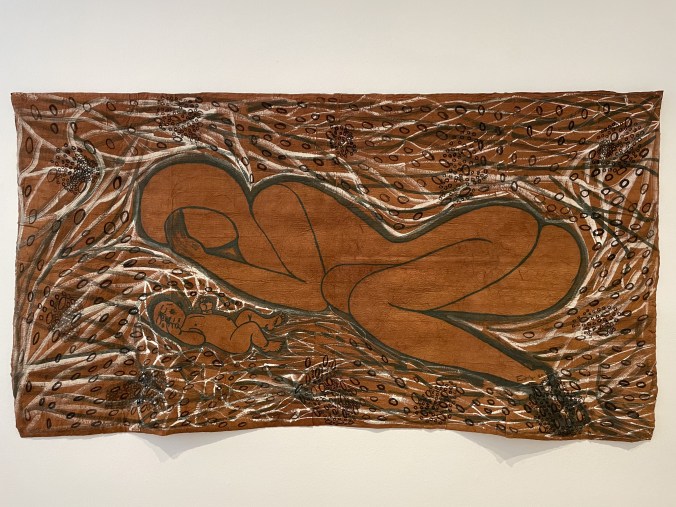
The Modern Art Gallery continues to show the substantial Everlyn Nicodemus exhibition which I saw on our last Edinburgh visit.  I sped through that but perhaps somehow enjoyed it a little more on a second viewing; plus, there are several other works in the gallery’s permanent collection I had not focused on before.

‘After the Birth’ By Everlyn Nicodemus

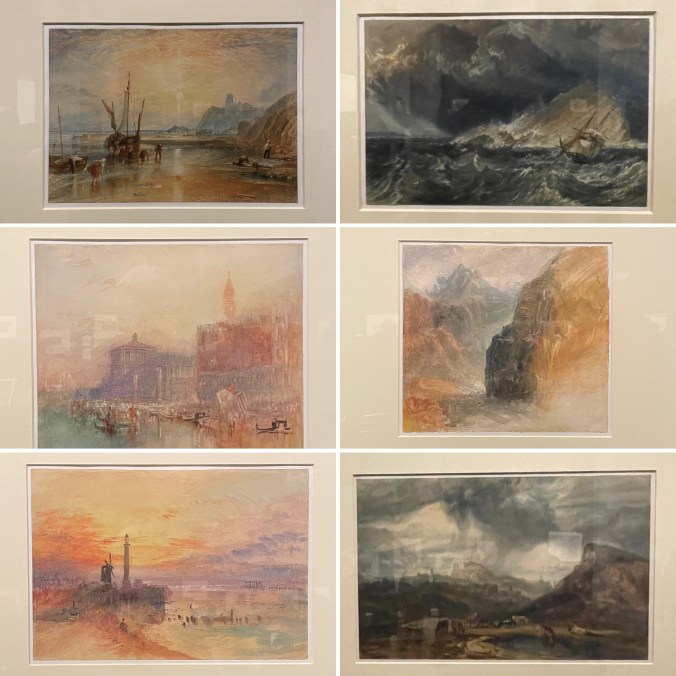
The Scottish National Gallery had a sequel to an exhibition of JMW Turner watercolours that I had seen in the gallery two years previously.  That had shown the section of the Henry Vaughan collection of Turner watercolours that had been bequeathed to Scotland.  This new exhibition was of the selection of watercolours bequeathed to Northern Ireland that again, as part of conditions of the donation, can only be shown to the public in January. 

Turner Watercolours at the National Gallery of Scotland

There were no surprises in the collection of blurry seascapes, sunrises, sunsets and mountain valleys shrouded in mist.  But I like Turner’s style and enjoyed the viewing despite the long queues to get in.

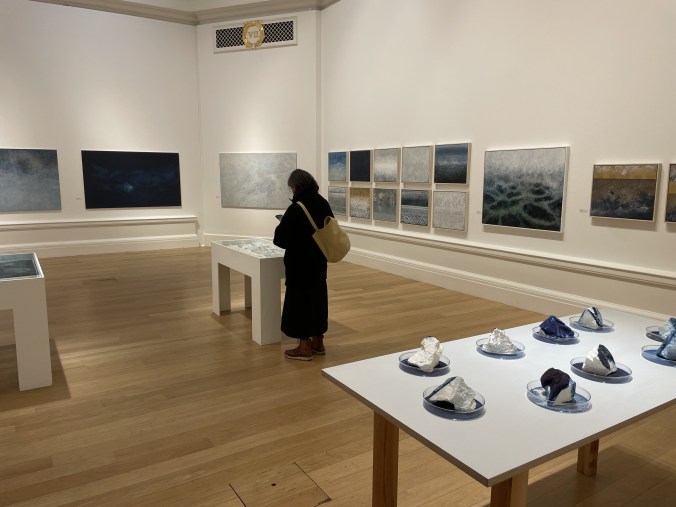
Also at the National Gallery was a small exhibition of art inspired by the landscape of the Orkneys, called ‘In Orcadia’ and including large, interestingly constructed paintings by Samantha Clark

The ‘In Orcadia’ Exhibition

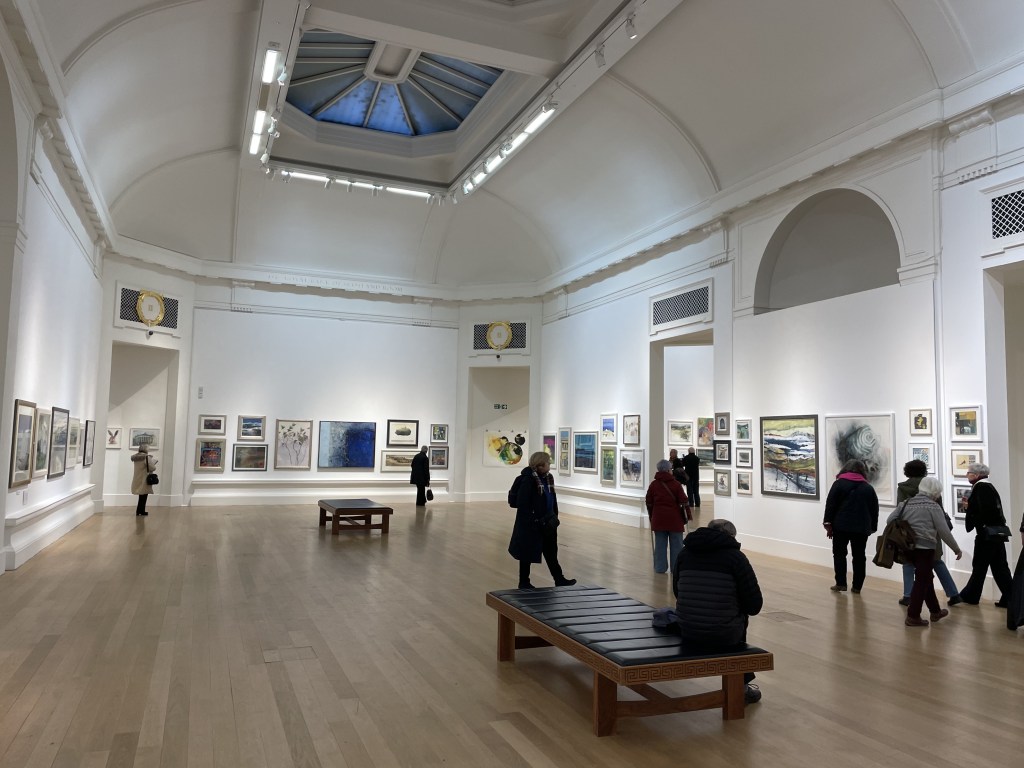
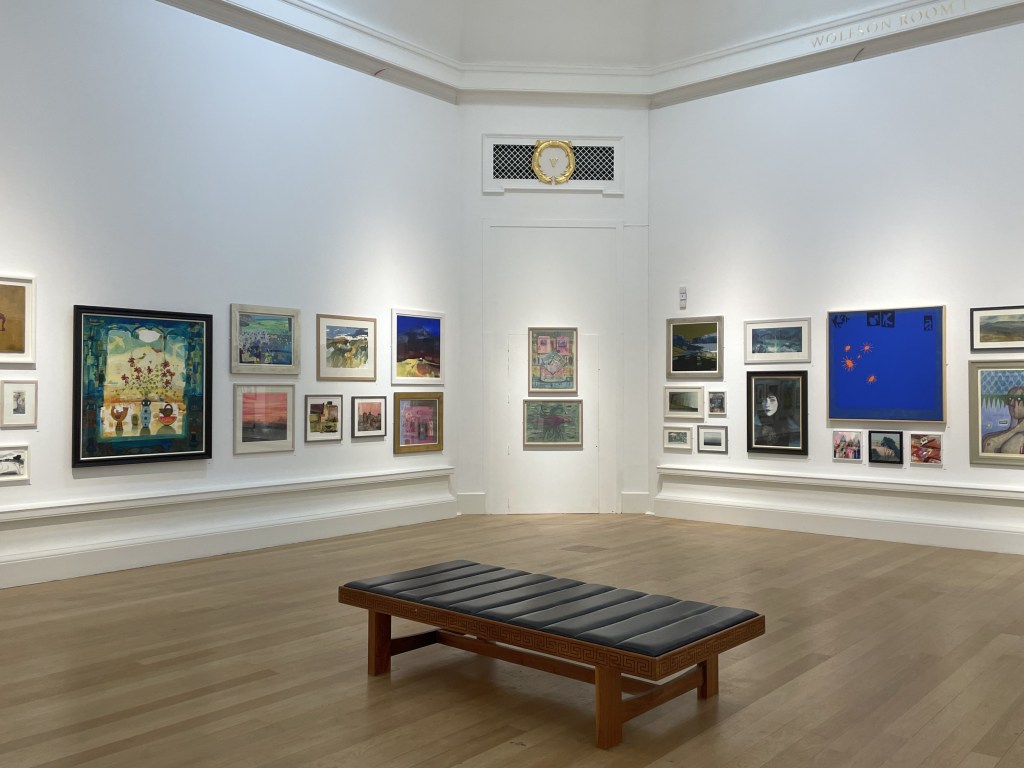
That was good but even better, I thought, was the large exhibition of paintings by the Royal Scottish Society of Painters in Watercolour.  There were hundreds of paintings on show and of course, not all hit the spot for me.  But overall, I thought the quality was very high and I could imagine several on my living room wall.

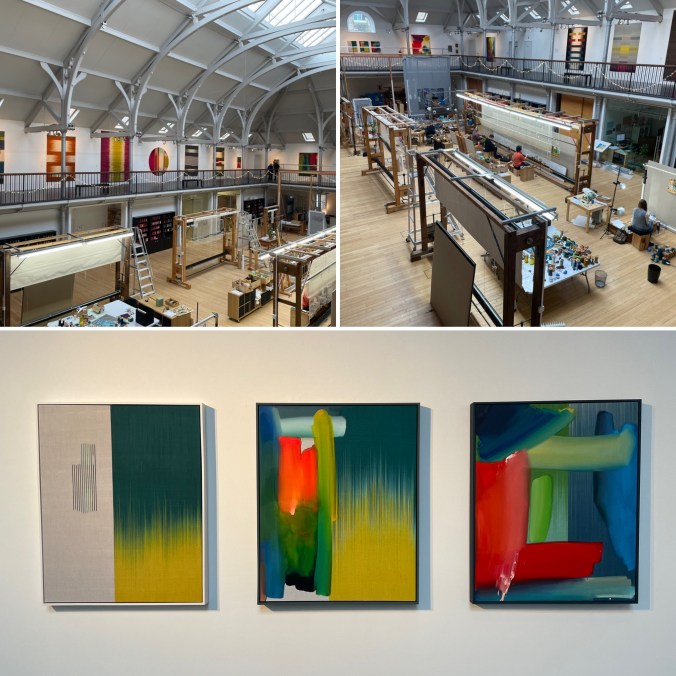
We also went to diverse art exhibitions at Dovecote Studios and the City Art Centre.  At Dovecote we saw textiles and paintings by Ptolemy Mann.  The designs were colourful and bold but Jane was a little disappointed that the majority of the textiles were manufactured in India not Scotland. 

Dovecote Studios And Ptolemy Mann Artwork

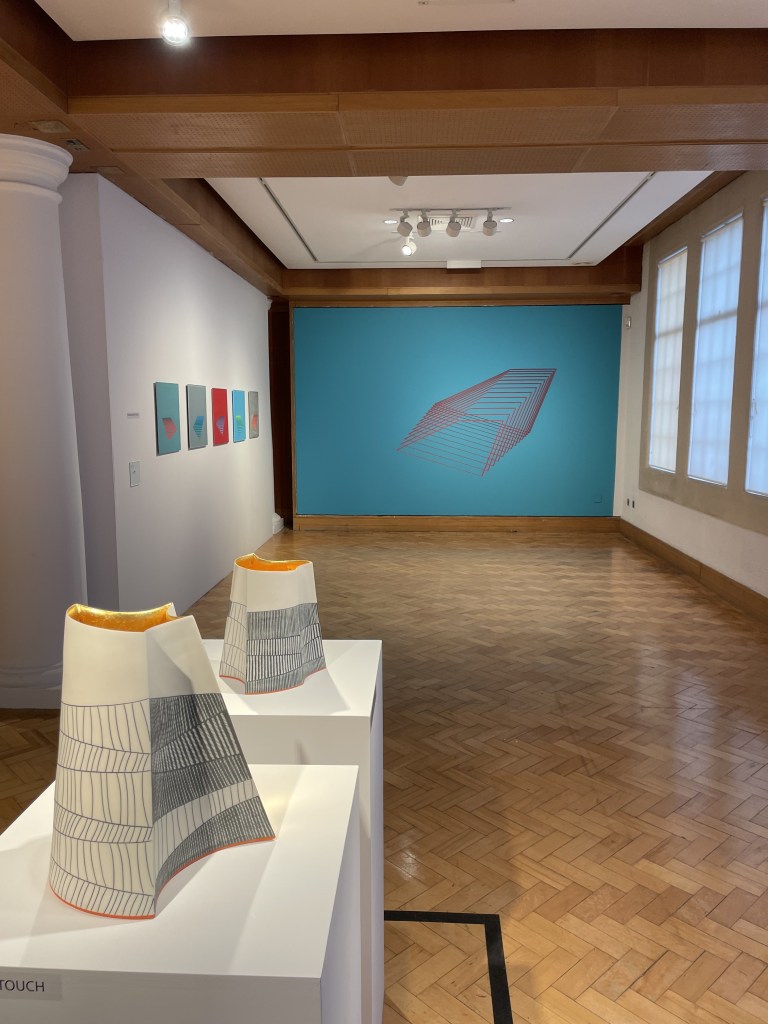
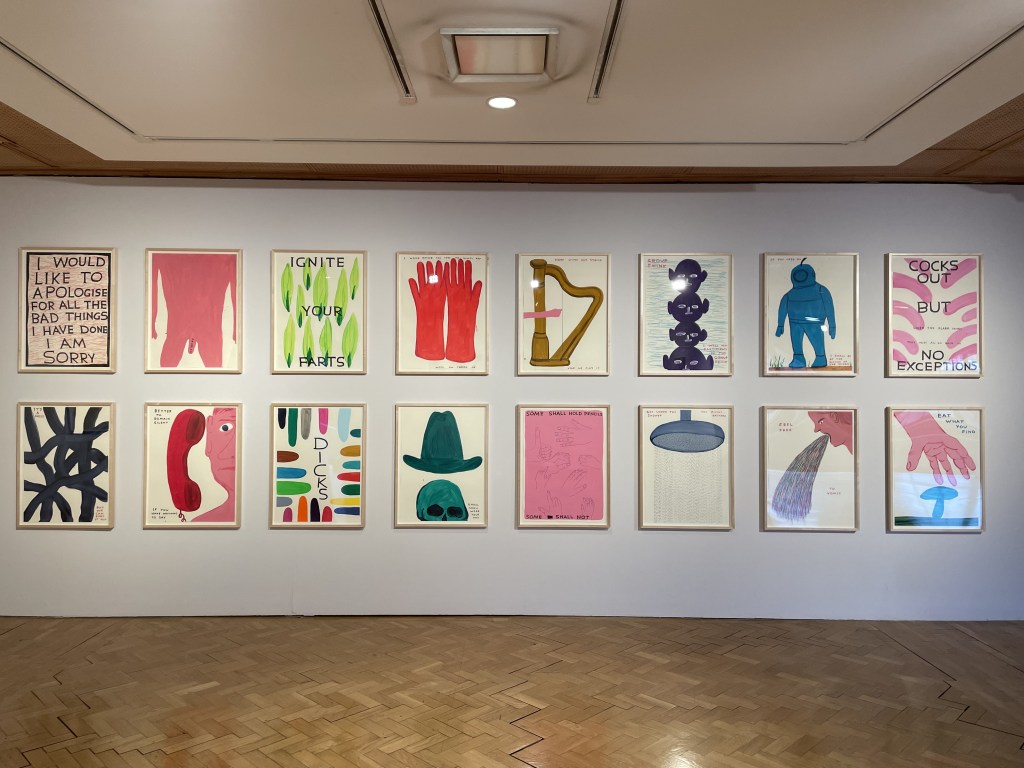
At the City Art Centre were two exhibitions of modern Scottish art and of pop art; I liked the pots by Lara Scobie at the former and the typically irreverent set of cartoonish watercolours by the seemingly slightly unhinged, David Shrigley.

Works By Lara Scobie and David Shrigley At The City Art Centre, Edinburgh

We made a couple of trips to the National Museum of Scotland.  The first to see some of the displays that we don’t get much of a chance to see when accompanied by First Grandchild.  The second was with him; his increasingly calm inquisitiveness was a joy to participate in.

One concept we discussed, as we passed some of the dinosaur and wild animal exhibits, was that of skeletons.  Subsequent conversations indicate that he understood how creatures often have skeletons and that you can’t see until after they are dead.  It’s fascinating to watch children learn.

Everything From Dinosaurs To Hi-Tech On Show At The National Museum of Scotland

And now we come to the misfortune of yesterday….. Apart from Storm Eowyn, the weather during our stay has been largely dry and sunny.  However, it has also been cold and yesterday morning my wife, Jane, slipped on some ice and, it turned out, broke her shoulder.  The pictures of x-rays that we came away from the hospital with have helped First Grandchild understand the importance of bones but there is no other upside to the accident. 

We’ll cope and enjoy the rest of our stay in Edinburgh but plans regarding how are changing……